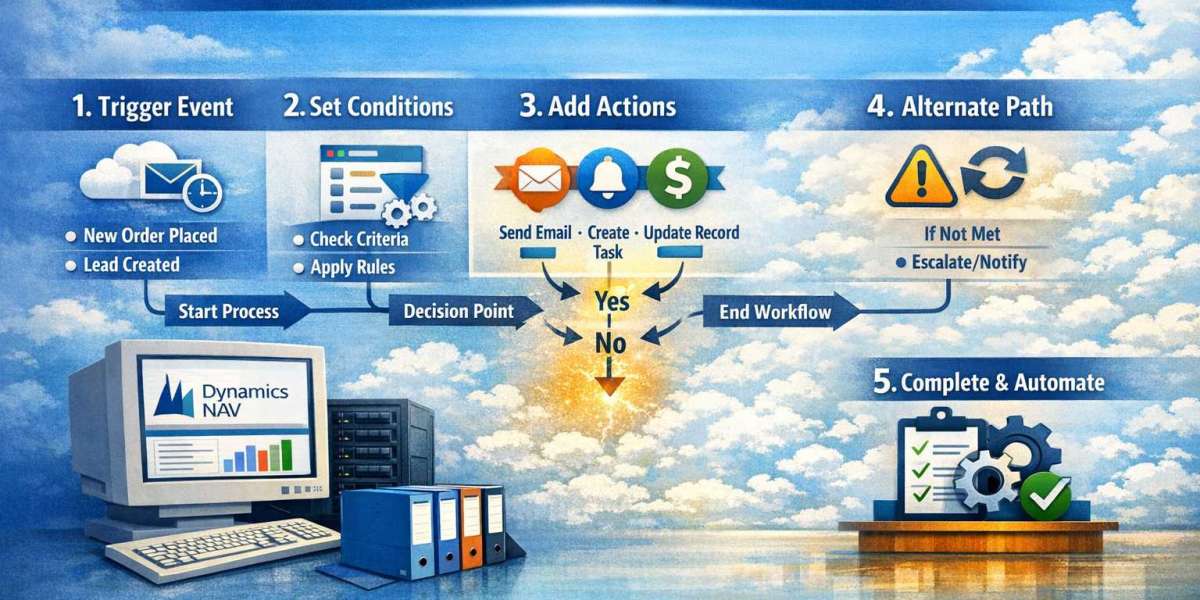

Workflows in Microsoft Dynamics 365 are powerful automation tools that help streamline business processes, reduce manual work, and improve efficiency. Whether you want to automate approvals, send emails, or update records, workflows allow you to define rules and actions that run automatically based on triggers.
To better understand the platform and its capabilities, you can explore:
https://codexoxo.com/software/microsoft-dynamics-365/
What is a Workflow in Dynamics 365?
A workflow is a sequence of automated steps triggered by specific events such as record creation, updates, or status changes. These workflows can run in real time or in the background, depending on business requirements. They are commonly used for tasks like sending notifications, assigning records, or enforcing approval processes.
Steps to Create a Workflow in Dynamics 365
1. Navigate to Processes
Start by going to Settings → Processes in your Dynamics 365 environment. This is where all workflows and business processes are managed.
2. Create a New Workflow
Click on New and define key details such as:
- Process Name
- Category (Workflow)
- Entity (e.g., Contact, Account)
- Execution type (real-time or background)
This setup determines when and where your workflow will run.
3. Define Triggers and Scope
Choose when the workflow should start, such as when a record is created or updated. You can also define the scope (user, business unit, or organization) to control where the workflow applies.
4. Add Workflow Steps
Use the workflow designer to add steps like:
- Assign Record
- Send Email
- Update Record
- Create Task
You can build logic using conditions and branching to create dynamic workflows.
5. Configure Actions
Each step requires configuration. For example, when sending an email, you can define recipients, subject, and message content. Workflows can automate communication and reduce delays in business operations.
If you are facing issues with email functionality, refer to:
https://codexoxo.com/dynamics-365-email-not-sending/
6. Save and Activate the Workflow
After configuring all steps, save the workflow and activate it. Once activated, it will automatically execute based on defined triggers.
Use Cases of Workflows
- Lead assignment automation
- Customer onboarding emails
- Approval processes
- Data validation and updates
For comparisons and deeper insights into CRM tools, check:
https://codexoxo.com/pipedrive-vs-dynamics-365/
https://codexoxo.com/microsoft-dynamics-365-vs-oracle-erp/
https://codexoxo.com/microsoft-dynamics-365-vs-sharepoint/
Best Practices for Workflow Creation
- Keep workflows simple and focused
- Use naming conventions for easy identification
- Test workflows in a sandbox environment before deployment
- Monitor workflow performance and logs regularly
Conclusion
Creating workflows in Dynamics 365 is essential for automating repetitive tasks and improving operational efficiency. By defining triggers, conditions, and actions, businesses can ensure consistent processes and faster execution. With the right setup, workflows not only save time but also enhance accuracy and customer experience, making Dynamics 365 a powerful tool for modern business automation.