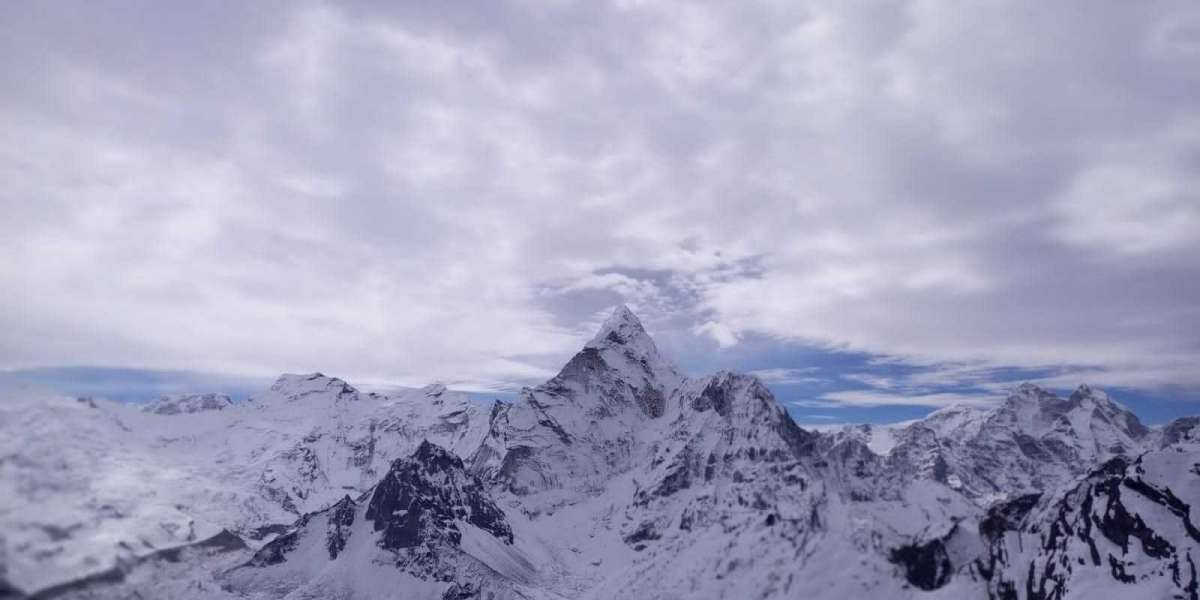

earlier than your trek to Everest Base Camp, one of the key selections you'll want to make is finding an enterprise. This classic trek via the Khumbu region of Nepal is stunning, difficult, and complicated logistically, so a strong accomplice to share those miles with is important, not just for amusement but also for protection. A good enterprise will supply professional publications, exceptional equipment, in addition to the right permits and acclimatization making plans, logistical support at each step of the way. Learn how to size up companies (and yourself) and what to ask before you start your own amazing journey. Save time, reduce anxiety, and make it an unforgettable experience.
Finding the Right Agency: The Importance of Getting This Right
What can a trekking agency do? When we say a trekking agency, it is much more than just the booking with it: your local touch partner and safety net advisor. The journey to Everest Base Camp is a proper whirlwind of permits, altitude acclimatization strategies, mercurial climate, and cultural encounters for beginner novices. They realize the land like it's miles their backyard, have a notable rapport with local groups, and preserve international hiking protection requirements. The proper organization will not only make sure you don't come down with altitude sickness; it'll provide reliable porters and publications, set up first-rate inns and warm food along the course, and have contingency plans on standby at a second's notice in case anything goes wrong. aware reservation gives a manner to ease and an extra penetrating experience of the region.
How To Identify Your Hiking Style And What You Need To Carry
For some, they are looking for the classic Everest Base Camp route with moderate pace and comfortable lodges, while others would rather tea house to tea house trekking, luxury lodge facilities, photography-based trips, or long acclimatization days for enhanced safety. Once you know which type you prefer, it becomes all quite easy and dismissing those agencies that are not geared towards the trek that may interest you. What's suited for one company that offers high-end lodge experiences may not be what's right for another focused on budget travelers or groups looking for adventure. And there are more facets to these questions: It's easy enough to run through the math here. Still, all of it hinges on how well you might or might not be prepared physically, or what your expectations and cultural priorities may be when traveling — all worth asking yourself as building blocks for a good faith comparison.
Researching Potential Agencies
But once you know what kind of trekker you are, the next thing is to research regions. Where To Start *A good place to begin is seeking the agencies with a sound reputation within Nepal and memories abroad. Company websites should make itineraries, prices, and what is (and isn't) included clear. Look for indications of good licensing, local partnerships, and guides who have experience with high-altitude trekking. It'ss still long proven to know whether there is such a species as hinges, when you concern endeavoring in travel event beyond golden links and choosing between 6 – prosrich outlets and low ones that consequently pipeline these ingredients book properties with an acknowledgment of relinquish on lodges from antecedent breaches: perform also not mind the OD concentrates reviewers looking to secure save out – getting schlep each pen period. Visiting travel networking forums such as that of trekblogs and other experienced trekkers around their way up to Everest Base camp, those trekkers who have used" specified agency" are among the best things to do.
Verifying Credentials and Safety Standards
A trekking company's credentials matter. Until foreign tourists are served®ister-register under the Nepal Government responsibly, who have established a tourism board, and they are also certified Wilderness First Responder or higher, high-altitude medical trained, and have successfully traversed EBC. These safety standards are sacrosanct — even minor lapses in judgment at altitude can have cataclysmic ramifications. Ask for copies of the guides' training certifications, what standard operating procedures they have, and how they confirm weather and trail conditions before signing a contract. Safety first at companies of all kinds means they are equipped with plans for evacuation, but also in terms of the communication system and emergency medical assistance needed.
Understanding Pricing and Inclusions
Fee is honest attention, but the cheapest option isn’t the proper one. Others cut costs by means of turning in less (selling reasonably-priced, untrained guides or putting off important inclusions [e.g., hot meals, adequate permits, good sleeping conditions, and contingency days]). When evaluating fees, make sure you’re aware of what's included: transfers to and from arrival/departure factors; domestic flights; meals; accommodation; lets in, pay for courses and porter's force coverage (if relevant), and all vital equipment. A clear agency Pricing model is laid out, and optional add-ons are also present. Expect that qualifying services and sometimes more steep up front pricing might not infrequently equate to a better paced, eat more, extra taken care of by your secure guide, all overall less strain while on your trek.
Reading and Evaluating Reviews
Official brochures are nice enough, but first-person accounts of former trekkers may provide a glimpse. Look for reviews with some detail — about logistics, communication, and follow-through on an intended itinerary, as well as the guide's problem-solving ability. The best clues about how you’ll do in the real world come from reviews detailing what agents did when faced with altitude sickness, weather delays, flight cancellations, or other curveballs. Search for trends rather than individual exceptions and take note of any positive testimonials as well as how a company handles complaints. An Agent of Accountability and Customer Satisfaction: It begins with solving solutions, YEAH! Start the trust, build on transparency, open up the bureau, and be ready to reduce fear.
Booking Process and Payment Policies
So now you’ve narrowed it down to an agency or two that sounds like a good fit to find out a bit more about how to book and what they will pay. A respected agency should present a trekking contract or agreement listing the cancellation and refund terms, payment schedule, and mutual responsibilities of each party. Stay away from any companies or businesses that you have to pay in full for up front, as they can’t be properly protected if nothing is done. Standard terms might involve a deposit to reserve the trek and final payment due a few weeks before departure; also, flexible provisions in case plans change. Read all the terms carefully — won't want to have any fun later if you get a surprise. You’ll be covered if an out-of-the-blue issue arises that necessitates a change of plan.
Preparing for Pre‑Trek Communication
Any reputable agency will give you all the pre‑trek details, packing lists, and pointers around altitude and flight information; typical weather, plus fitness requirements. They may also introduce you to your assigned guide so that you can begin to build rapport and discuss personal preferences. Good pre- trek communication might show professionalism and help the trek be specifically tailored for you.
Final Thoughts
In case you are at the beginning stages of planning your Everest Base Camp trek (EBC), then you have already realised that booking with a reputable business is one of the most important steps in having a great, secure, and enjoyable experience. charge is important, of course, professionalism, transparency, safety approaches, and local understanding (as are guides with bona fide excessive-altitude experience). At the same time, you could make an informed decision regarding your hiking plans by conducting due diligence, asking the right questions, and verifying credentials.