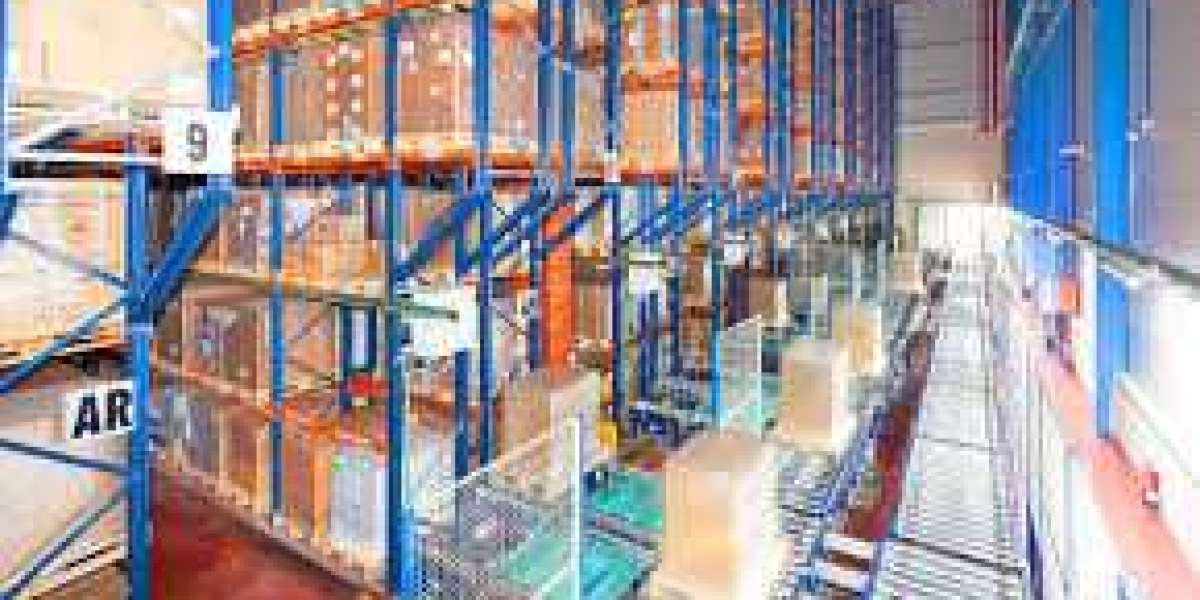

This article explores what an auto replenishment system in retail is, how it works, its benefits, and why it has become essential for businesses of all sizes.
What is an Auto Replenishment System in Retail?
An auto replenishment system is a technology-driven solution that automatically monitors inventory levels and triggers restocking orders when stock reaches a predefined threshold. It eliminates the need for manual inventory checks and reduces the risk of human error.
These systems are typically integrated with point-of-sale (POS), warehouse management systems (WMS), and supply chain platforms. By analyzing real-time sales and inventory data, the system ensures that shelves are consistently stocked with the right products.
How Auto Replenishment Systems Work
Auto replenishment systems operate using a combination of data analytics, predefined rules, and automation. Here’s how the process typically works:
1. Inventory Monitoring
The system continuously tracks stock levels across stores and warehouses using real-time data from sales and inventory systems.
2. Demand Forecasting
It analyzes historical sales data, seasonal trends, and customer behavior to predict future demand.
3. Reorder Point Calculation
A minimum stock level (reorder point) is set for each product. When inventory falls below this level, the system triggers a replenishment order.
4. Automated Ordering
The system automatically generates purchase orders or transfer requests to suppliers or distribution centers.
5. Order Fulfillment
Suppliers or warehouses process the order and deliver the products to the store or fulfillment center.
Key Features of Auto Replenishment Systems
Modern auto replenishment systems come with advanced features that enhance efficiency and accuracy:
Real-Time Inventory Tracking
Retailers get up-to-date visibility into stock levels across multiple locations.
AI-Powered Forecasting
Artificial intelligence improves demand predictions by analyzing large datasets and identifying patterns.
Multi-Location Management
The system can manage inventory across multiple stores, warehouses, and distribution centers.
Supplier Integration
Seamless communication with suppliers ensures faster and more accurate order processing.
Customizable Rules
Retailers can set specific rules for reorder points, safety stock, and lead times.
Alerts and Notifications
The system sends alerts for low stock, delayed shipments, or unusual demand patterns.
Benefits of Auto Replenishment in Retail
Implementing an auto replenishment system provides numerous advantages:
Reduced Stockouts
Products are restocked automatically, ensuring availability and preventing lost sales.
Lower Inventory Costs
By maintaining optimal stock levels, retailers can avoid excess inventory and reduce holding costs.
Improved Efficiency
Automation reduces manual tasks, freeing up staff to focus on customer service and strategic activities.
Better Demand Alignment
Accurate forecasting ensures that supply matches customer demand, minimizing waste.
Enhanced Customer Experience
Customers are more likely to find the products they want, leading to higher satisfaction and loyalty.
Faster Decision-Making
Real-time insights allow retailers to respond quickly to changes in demand.
Importance in Modern Retail
Retail has become increasingly complex with the rise of e-commerce, omnichannel strategies, and global supply chains. Manual inventory management is no longer sufficient to keep up with these demands.
Auto replenishment systems play a crucial role in:
Managing high SKU volumes
Handling seasonal demand fluctuations
Supporting omnichannel fulfillment
Reducing operational inefficiencies
Retailers that adopt these systems gain a competitive advantage by improving both operational performance and customer satisfaction.
Use Cases of Auto Replenishment Systems
Supermarkets and Grocery Stores
Ensure fresh products are always available while minimizing spoilage.
Fashion and Apparel Retail
Manage seasonal collections and fast-changing trends effectively.
Electronics Retail
Maintain stock levels for high-demand and high-value items.
E-commerce Platforms
Automate inventory management across multiple fulfillment centers.
Convenience Stores
Quickly restock fast-moving items to meet customer demand.
Challenges in Implementing Auto Replenishment Systems
While the benefits are significant, retailers may face some challenges:
Data Accuracy
The system relies on accurate data. Poor data quality can lead to incorrect forecasts and replenishment decisions.
Integration Complexity
Connecting the system with existing software like ERP, POS, and WMS can be complex.
Initial Investment
Implementing advanced systems may require a significant upfront investment.
Supplier Dependence
The effectiveness of the system depends on reliable suppliers and timely deliveries.
Best Practices for Successful Implementation
To maximize the benefits of auto replenishment systems, retailers should follow these best practices:
Maintain Clean Data
Ensure accurate and consistent data across all systems.
Set Realistic Reorder Points
Consider lead times, demand variability, and safety stock levels.
Collaborate with Suppliers
Build strong relationships with suppliers for efficient order fulfillment.
Monitor Performance
Regularly review system performance and make adjustments as needed.
Train Staff
Ensure employees understand how the system works and how to use it effectively.
Future Trends in Auto Replenishment
The future of auto replenishment systems is driven by innovation and digital transformation:
AI and Machine Learning
These technologies will further enhance forecasting accuracy and decision-making.
Internet of Things (IoT)
Smart shelves and connected devices will provide real-time inventory updates.
Cloud-Based Solutions
Cloud platforms will offer scalability, flexibility, and remote access.
Predictive and Prescriptive Analytics
Systems will not only predict demand but also recommend the best actions to optimize inventory.
Conclusion
Auto replenishment systems have become a cornerstone of modern retail operations. By automating inventory management, these systems help retailers maintain optimal stock levels, reduce costs, and improve customer satisfaction.
As retail continues to evolve, businesses that invest in advanced replenishment technologies will be better equipped to handle market complexities and deliver seamless shopping experiences. Whether you operate a small store or a large retail chain, adopting an auto replenishment system can significantly enhance efficiency, profitability, and long-term growth.