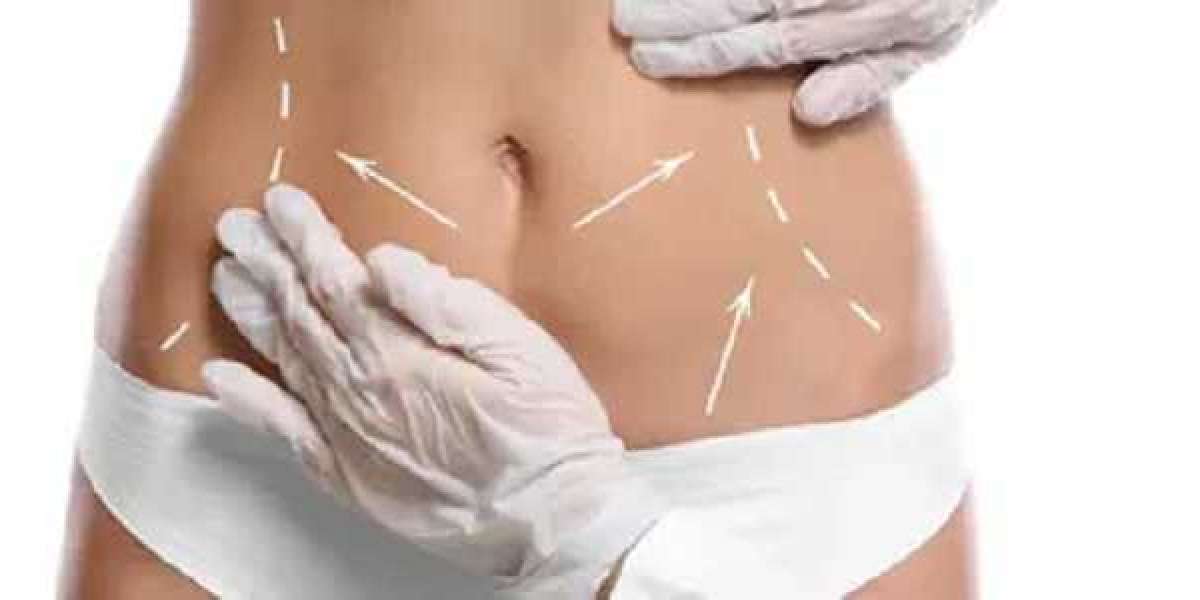

As technology in the aesthetic field advances, patients are often faced with a variety of technical choices for fat reduction. For those exploring Liposuction in Dubai, the decision typically comes down to selecting the method that best aligns with their tissue type and recovery goals. While traditional suction remains a powerful tool for volume reduction, laser-assisted techniques have introduced a new level of precision and skin optimization. Understanding the clinical differences between these modalities is essential for any patient looking to make an informed decision about their body transformation.
The Evolution of Liposuction in Dubai Techniques
The landscape of fat removal has expanded from a single manual approach to a multi-technology discipline. Traditional methods focus on the mechanical disruption and aspiration of fat cells. Laser-assisted methods, often referred to as SmartLipo or laser lipolysis, add a layer of thermal energy to the process. This evolution allows surgeons to tailor the procedure not just to the amount of fat, but to the specific needs of the skin and the density of the adipose tissue.
In our clinical experience, we have found that both methods have distinct advantages. What patients typically report during recovery is that the choice of technology often influences the speed of their initial healing. By selecting the right "tool for the job," we can ensure that the results are symmetrical, the skin is firm, and the patient’s downtime is minimized as much as possible.
Mechanisms of Action: Suction vs. Thermal Energy
The mechanical difference between these two methods lies in how the fat is prepared for removal. Traditional suction uses a tumescent solution to numb and firm the fat, which is then extracted using a micro-cannula moved in a controlled back-and-forth motion. This is highly effective for removing larger volumes of fat in a time-efficient manner.
In contrast, laser-assisted techniques involve the insertion of a tiny laser fiber into the fat layer. The laser energy "melts" the fat cells, turning them into a liquid state before they are vacuumed out. Additionally, the heat from the laser stimulates the underlying dermis, which can trigger a skin-tightening response. What patients typically report during recovery is that this thermal energy often results in less post-operative bruising because the laser cauterizes small blood vessels during the process.
The Purpose and Clinical Goals of Method Selection
The primary purpose of offering multiple methods for Liposuction in Dubai is to provide a bespoke surgical experience. For a patient looking to remove a significant amount of fat from the abdomen or thighs, the traditional or power-assisted method might be the primary choice due to its efficiency. The goal here is a dramatic reduction in volume and a total reshaping of the silhouette.
However, if the goal is to treat a smaller, delicate area with minor skin laxity—such as the jawline or the upper arms—the laser-assisted method is often superior. The purpose of using laser energy in these cases is to achieve high-definition results while simultaneously encouraging the skin to contract. This dual-action approach ensures that the final result is not only slimmer but also smoother and more toned.
Key Benefits of Traditional and Laser Approaches
Traditional/Power-Assisted: Ideal for large-volume fat removal and shorter operative times.
Laser-Assisted: Provides a secondary benefit of skin tightening through thermal collagen stimulation.
Traditional: Often more cost-effective for treating multiple large body zones in a single session.
Laser-Assisted: Reduced bruising and swelling due to the coagulation of small vessels during the procedure.
Who is the Ideal Candidate for Each Method?
Candidacy depends largely on the patient’s skin quality and the "toughness" of their fat. Candidates with thick, fibrous fat—common in the back or the male chest—often benefit from the liquefying power of the laser. Those with significant fat volume but excellent skin elasticity are often perfect candidates for traditional suction.
Medical safety remains the priority regardless of the method chosen. We look for individuals with a stable weight and a commitment to post-operative care. During your consultation, we perform a "pinch test" and evaluate your skin’s "snap-back" ability. This clinical assessment allows us to recommend the technology that will provide the most harmonious and safe result for your specific anatomy.
The Procedure: A Step-by-Step Comparison
Preparation: Both methods begin with topographical marking and the administration of anesthesia.
Infiltration: Tumescent fluid is injected to prepare the fat layer in both scenarios.
Energy Application: In laser methods, the fiber is used first to emulsify the fat; in traditional methods, this step is skipped.
Aspiration: The fat is removed using a fine cannula. In laser cases, the liquid fat is aspirated more gently.
Thermal Sweep: In laser procedures, a final pass may be made just under the skin to maximize tightening.
Compression: Both procedures conclude with the application of a high-quality compression garment.
Comparison of Target Zones and Recommended Tech
| Body Area | Preferred Method | Clinical Reasoning |
| Large Abdomen | Traditional/Power-Assisted | Efficient removal of high-volume deep fat. |
| Double Chin | Laser-Assisted | Precision sculpting with maximum skin contraction. |
| Upper Back | Laser or VASER | Breaking through fibrous tissue for a smooth result. |
| Outer Thighs | Traditional | Reliable volume reduction for large surface areas. |
| Male Chest | Laser-Assisted | Liquefying glandular fat and tightening the skin. |
Factors Determining the Complexity of the Choice
The complexity of the treatment plan is influenced by whether the area has been treated before. Secondary surgeries often involve scar tissue, making laser-assisted or ultrasound-assisted methods a medical necessity for a safe and smooth extraction. Additionally, the patient's desired level of "definition" will dictate the choice; high-definition etching is significantly easier to achieve with energy-assisted tools.
The investment required for these procedures reflects the specialized equipment and the time needed to perform energy-assisted sculpting. While laser methods may take slightly longer due to the energy delivery phase, the payoff is often seen in the quality of the skin retraction. We provide a clear clinical rationale for every technology we use in your customized plan.
Recovery Timelines: What to Expect
Recovery is a period of biological adaptation. While the laser-assisted method may result in less immediate bruising, the overall timeline for tissue softening remains similar for both methods. The body needs time to process the inflammatory response and for the skin to settle into its new position.
Week 1: Wear your garment 24/7; light walking is essential for both methods.
Week 2: Laser patients may notice a faster resolution of bruising; most return to work.
Month 1: The "firmness" in the tissues is normal as internal healing progresses.
Month 6: The final, crisp results—including the skin-tightening benefits of the laser—are fully established.
Safety Standards and Method-Specific Side Effects
Safety is maintained through rigorous training and adherence to energy-delivery protocols. Laser-assisted methods require a skilled hand to ensure the heat is distributed evenly to avoid thermal injury. Traditional methods require a steady hand to ensure the fat is removed symmetrically. Common side effects like temporary swelling or numbness are similar for both.
We prioritize your safety by using the most up-to-date, FDA-cleared technology in sterile surgical environments. Following the aftercare instructions, especially regarding hydration and compression, is vital for both groups. In our clinical experience, the most important factor is not just the tool used, but the expertise of the surgical team navigating your unique anatomy.
Maintaining Your Results Post-Surgery
Regardless of the technology used, the longevity of your Liposuction in Dubai results depends on your lifestyle. Since the fat cells are gone, your new shape is a permanent foundation. However, to keep the skin looking tight and the contours sharp, a balanced diet and consistent exercise are required.
Many patients find that the visible results of the laser-assisted method—especially the improved skin tone—act as a major motivator to stay active. By protecting your investment with a healthy lifestyle, you ensure that the advanced technology used in your procedure provides a lifetime of confidence and aesthetic satisfaction.
Conclusion
Whether you choose a traditional approach or an advanced laser-assisted method, the goal remains the same: a safer, more proportionate, and more confident version of yourself. By understanding the mechanisms and benefits of each, you can move forward with a plan that is scientifically sound and tailored to your goals.
The best way to determine the right method for your body is through a detailed physical evaluation. Learn if this treatment is right for your lifestyle by booking a consultation with the professional team at Tajmeels Clinic.