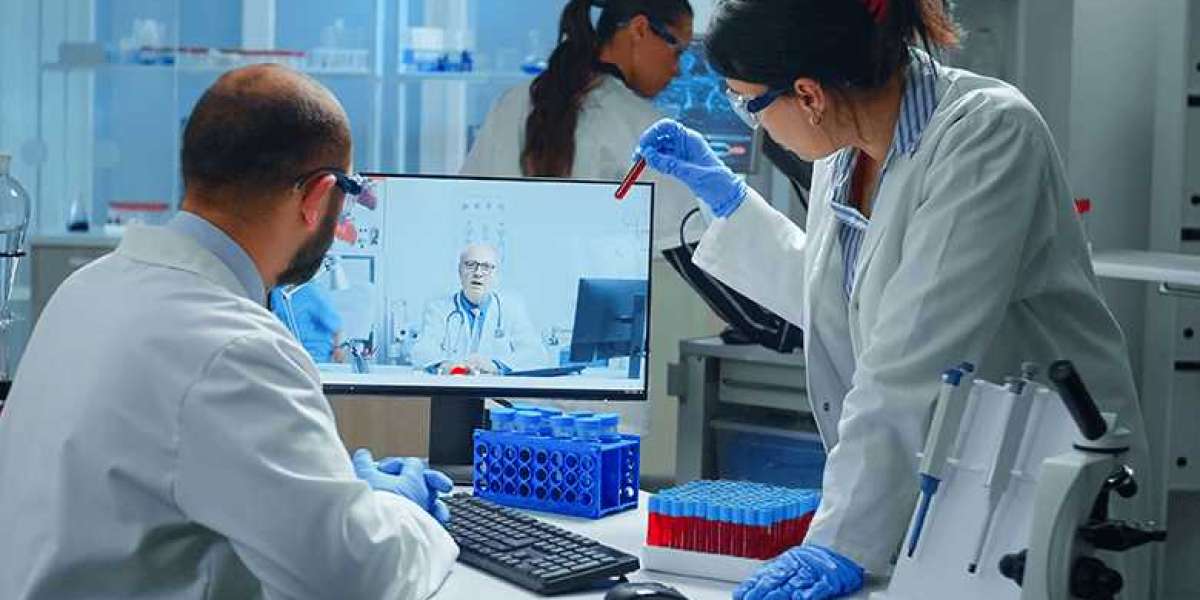

Some side effects appear only after thousands or even millions of patients start using a drug. That’s exactly where signal management pharmacovigilance becomes essential. It helps experts notice patterns, investigate risks, and protect patients long after a drug reaches the market. Medicines are meant to help people feel better. That’s the whole point. But anyone who has worked in healthcare knows something important - no medicine is completely risk-free.
If you’re involved in drug safety, clinical research, or regulatory work, you’ve probably heard the term many times. But what does it actually mean in everyday practice? And why does it matter so much for modern drug safety?
Let’s walk through it in a simple, practical way.
What Is Signal Management Pharmacovigilance?
At its core, signal management pharmacovigilance is the process of detecting and evaluating potential safety issues linked to medicines.
A “signal” simply means a hint that something unusual might be happening with a drug. Maybe patients are reporting a specific side effect more often. Maybe doctors notice a pattern that wasn’t seen during clinical trials.
The thing is, clinical trials involve limited numbers of patients. Once the medicine is used worldwide, new information can appear.
Signal management helps safety experts answer questions like:
- Is this side effect real?
- Is it related to the medicine?
- How serious is it?
- Should regulators or doctors be alerted?
So the goal isn’t just collecting reports. It’s about understanding what those reports actually mean.
And that’s where trained pharmacovigilance professionals step in.
Why Signal Management Matters in Drug Safety
Here’s something many people don’t realize.
Clinical trials often include a few thousand patients. But once a drug is approved, it might reach millions of people across different countries.
Different ages. Different medical histories. Different lifestyles.
You can probably guess what that means. New reactions sometimes appear that no one saw before.
That’s why signal management pharmacovigilance is such a critical part of post-marketing drug safety.
It helps:
- Identify unexpected adverse reactions
- Detect rare side effects early
- Protect patients through timely action
- Update safety information when needed
Without this system, potential drug risks might stay hidden for years.
And honestly, that could be dangerous.
The Key Steps in Signal Management Pharmacovigilance
Signal management is not just one task. It’s a structured workflow used by pharmacovigilance teams around the world.
Let’s break it down into simple stages.
1. Signal Detection
This is where everything begins.
Signal detection involves reviewing large safety databases to identify unusual trends in adverse event reports.
Pharmacovigilance teams analyze data from sources like:
- Spontaneous adverse event reports
- Clinical trial safety data
- Scientific literature
- Electronic health records
- Global safety databases
Sometimes advanced statistical tools help detect patterns. Other times it’s an experienced safety reviewer who spots something unusual.
You’d be surprised how often human judgment still matters.
2. Signal Validation
Not every signal turns out to be real.
So the next step is validation.
Experts review the data carefully and ask a simple question:
Is this signal worth investigating further?
They look at factors such as:
- Number of reported cases
- Quality of reports
- Biological plausibility
- Similar reactions seen before
If the signal appears meaningful, it moves to the next stage.
If not, it may simply be monitored.
3. Signal Evaluation
Now things get more detailed.
During evaluation, pharmacovigilance specialists assess whether the drug is actually causing the reported reaction.
This step may involve:
- Reviewing clinical case reports
- Checking patient histories
- Analyzing medical literature
- Consulting medical experts
The goal is to determine whether there’s a genuine safety concern.
Sometimes the signal fades away. Other times it turns into something regulators need to address.
4. Signal Prioritization and Action
Once a signal is confirmed, the next question becomes obvious.
What should be done about it?
Possible actions include:
- Updating the drug label
- Issuing safety warnings
- Conducting additional studies
- Informing healthcare professionals
- Monitoring the signal closely
In rare cases, regulatory authorities may restrict or withdraw the drug.
But most signals simply lead to better awareness and updated guidance.
Real-World Example of Signal Management
Let’s imagine a simple scenario.
A new pain medication is approved and used widely across hospitals. A few months later, safety databases start receiving reports of unusual liver reactions.
At first, it looks like random cases.
But as more reports appear, pharmacovigilance teams detect a pattern. That’s the signal.
Experts begin reviewing patient histories. They check doses, medical conditions, and other medications.
After careful evaluation, they confirm the drug may increase liver enzyme levels in certain patients.
What happens next?
Regulators update the drug label with new warnings and monitoring recommendations.
Doctors become aware of the risk. Patients receive safer treatment.
That’s signal management pharmacovigilance in action.
Quiet work, but incredibly important.
Skills Needed for Signal Management Pharmacovigilance
Working in signal management requires a unique mix of scientific and analytical skills.
Professionals in this field often need:
- Knowledge of pharmacology and drug safety
- Strong data analysis ability
- Medical literature review skills
- Attention to detail
- Regulatory understanding
But honestly, curiosity is just as important.
Good signal reviewers ask questions constantly. They look beyond numbers and think about what the data might be telling them.
That mindset makes a huge difference.
Career Opportunities in Signal Management
Demand for pharmacovigilance professionals keeps growing. Pharmaceutical companies, CROs, and regulatory agencies all rely on signal management experts.
Typical roles include:
- Drug Safety Associate
- Pharmacovigilance Specialist
- Signal Detection Analyst
- Risk Management Specialist
Training programs that focus on signal management pharmacovigilance can help professionals enter this field with the right skills.
That’s where institutes like Medipharm Solutions step in. Their training programs aim to prepare students for real industry work, not just theory.
And that practical exposure matters a lot.
The Future of Signal Management Pharmacovigilance
Drug safety is evolving fast.
Artificial intelligence, real-world data, and global safety databases are transforming how signals are detected.
Some companies now analyze millions of reports using advanced algorithms.
But here’s the funny thing.
Even with all this technology, human expertise is still essential. Machines can find patterns, but trained professionals decide what those patterns actually mean.
So the future of signal management pharmacovigilance will likely combine smart technology with experienced safety scientists.
And that’s a powerful combination.
Conclusion
Medicines save lives every day. But keeping patients safe requires constant monitoring even after a drug reaches the market.
That’s exactly why signal management pharmacovigilance exists.
By detecting safety signals early and investigating them carefully, pharmacovigilance professionals help prevent harm and improve drug safety worldwide.
It may not always make headlines, but this work protects millions of patients.
For anyone interested in drug safety careers, learning signal management can open exciting opportunities in the pharmaceutical industry.
And honestly, it’s one of the most meaningful roles in healthcare.
Because at the end of the day, every signal investigated could make someone’s treatment safer.