
Introduction
Whether you're planning a driveway, garden path, or landscaping project, a gravel calculator is one of the most essential tools you can use to get started. It takes the guesswork out of estimating how much material you need, saving you both time and money. In this guide, we'll walk you through everything you need to know about using a gravel calculator effectively and confidently.
Understanding the Basics of a Gravel Calculator
What Is a Gravel Calculator?
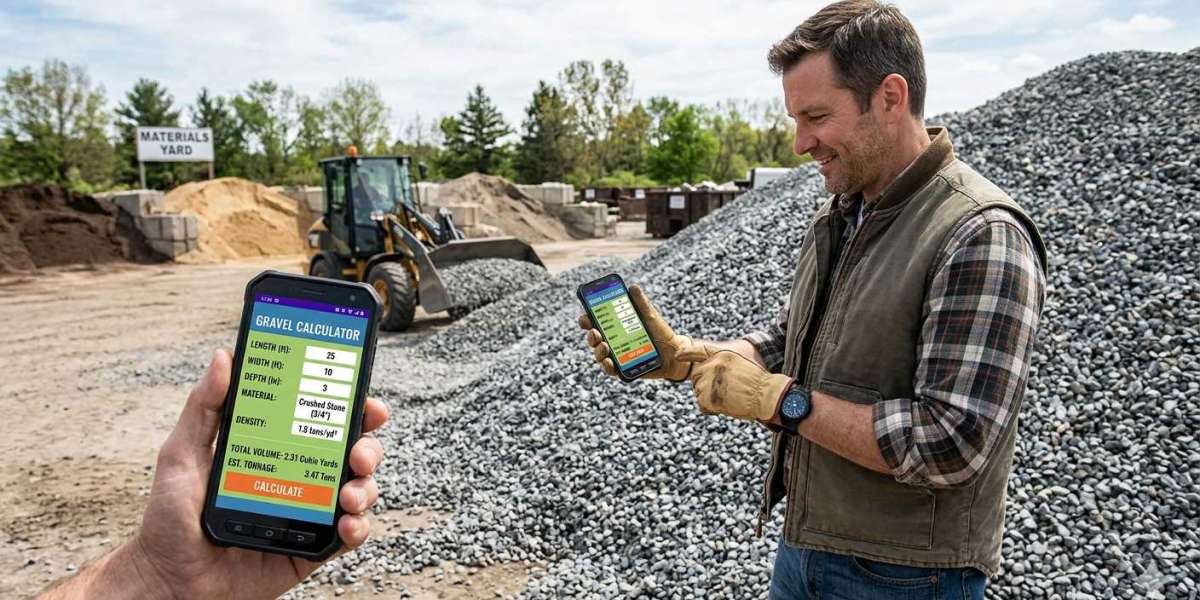
A gravel calculator is a simple online or manual tool that helps you determine the exact amount of gravel needed for a specific area. You input the length, width, and depth of your project, and it calculates the volume and weight of gravel required. It eliminates the risk of over-ordering or running short mid-project.
How Does a Gravel Calculator Work?
The tool uses a basic formula: Length × Width × Depth = Volume, then converts that into weight using the density of the gravel type you've chosen. Most gravel calculators also allow you to select the unit of measurement — feet, meters, or inches — making them flexible for any project size. Once the volume is determined, the result is typically displayed in cubic yards, cubic meters, or tons.
Why Should You Use a Gravel Calculator?
Using a gravel calculator prevents costly mistakes like buying too much gravel, which wastes money, or too little, which delays your project. It also helps you budget accurately before visiting a supplier or placing an order online. For both DIY homeowners and professional contractors, it's a quick and reliable planning tool.
Types of Projects That Benefit From a Gravel Calculator
Driveway Projects
Driveways are one of the most common uses for a gravel calculator because they require large, precise quantities of material. A typical residential driveway needs a depth of at least 4 inches of gravel to provide a stable, durable surface. By entering your driveway dimensions into the calculator, you can instantly know how many tons to order.
Garden Paths and Walkways
For garden paths, decorative gravel adds both function and beauty, and a gravel calculator ensures you purchase just the right amount. Most garden walkways require a shallower depth of around 2–3 inches, which significantly reduces material costs. The calculator helps you plan even irregularly shaped paths by breaking them into smaller rectangular sections.
Landscaping and Drainage Projects
Landscaping projects like rock gardens, flower bed borders, or drainage ditches all benefit from accurate material estimates provided by a gravel calculator. Proper drainage projects often require specific gravel depths to function correctly, making precision critical. Using the calculator ensures water flows where it should without under- or over-filling the area.
How to Use a Gravel Calculator Step by Step
Step 1 — Measure Your Area
Before using a gravel calculator, start by measuring the length and width of the area you want to cover in feet or meters. For irregular shapes, break the space into smaller rectangles, calculate each one separately, and then add the totals together. Accurate measurements are the foundation of a reliable estimate.
Step 2 — Decide on the Depth
The depth of gravel you need depends entirely on the purpose of your project. Decorative surfaces typically need 1–2 inches, while driveways and heavy-use areas may need 4–6 inches for proper support. Enter this depth into the gravel calculator to get an accurate volume result.
Step 3 — Choose Your Gravel Type
Different gravel types have different densities, which directly affects the weight calculation. Common options include pea gravel, crushed stone, and river rock, each with slightly different weights per cubic yard. Make sure your gravel calculator accounts for the specific material you've chosen for the most accurate result.
Step 4 — Review and Order
Once you've entered all your values, the gravel calculator will display the estimated volume and weight needed. It's always wise to add an extra 5–10% to your order to account for spillage, compaction, and uneven ground. Review the result, compare prices from local suppliers, and place your order with confidence.
Common Mistakes to Avoid When Using a Gravel Calculator
Forgetting to Account for Compaction
One of the most frequent errors people make is not accounting for compaction when using a gravel calculator. Gravel compacts under weight and use, meaning the final depth will be slightly less than what you initially laid. Always add a small buffer of 10–15% to your calculated volume to compensate for this natural settling.
Using Incorrect Measurements
Entering incorrect or estimated measurements into a gravel calculator will produce inaccurate results, leading to wasted money or project delays. Always use a tape measure or measuring wheel to get precise dimensions before entering them. Double-checking your numbers before calculating can save you a costly trip back to the supplier.
Ignoring Gravel Density Differences
Not all gravel is the same — a cubic yard of pea gravel weighs differently than a cubic yard of crushed limestone. Ignoring these density differences in your gravel calculator inputs can throw off your weight and cost estimates significantly. Always confirm the density of your chosen gravel type with your supplier or use a calculator that includes material-specific options.
Cost Estimation Using a Gravel Calculator
How Much Does Gravel Cost?
Gravel prices vary depending on the type, quantity, and your location, but using a gravel calculator gives you the quantity needed to get an accurate price quote. On average, gravel costs between $15 and $75 per ton, with decorative options on the higher end. Knowing your exact tonnage in advance allows you to compare supplier quotes fairly and efficiently.
Can a Gravel Calculator Help You Save Money?
Absolutely — a gravel calculator is one of the simplest ways to avoid over-purchasing materials and blowing your project budget. By calculating the precise amount needed, you only pay for what you actually use. Combined with getting multiple supplier quotes, this tool can result in significant savings on larger projects.
Read More : Snow Day Predictor
Conclusion
A gravel calculator is an indispensable tool for anyone tackling a gravel-related project, from simple garden paths to full-scale driveway installations. It brings accuracy, efficiency, and cost control to your planning process, ensuring you start every project on solid ground. Use a gravel calculator before your next purchase and experience the difference that precise planning makes.