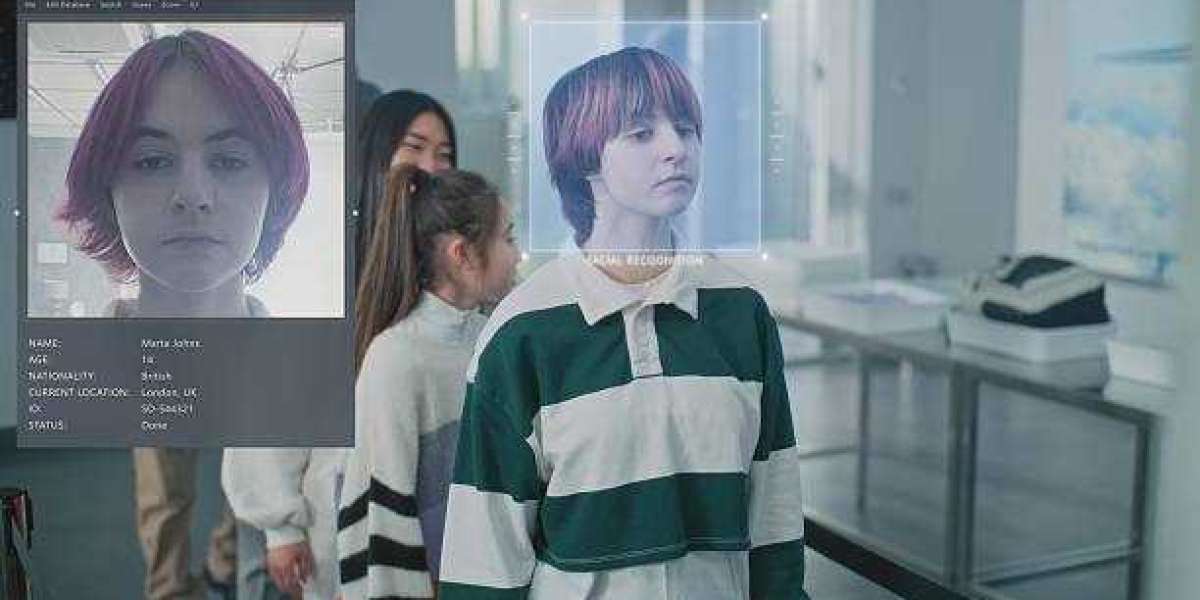

Artificial intelligence has transformed digital communication in remarkable ways. From automated content creation to advanced data analysis, organizations now rely heavily on intelligent systems to streamline operations. However, this technological progress has also introduced new security challenges. One of the most concerning developments is the rise of synthetic media that can convincingly imitate real voices, faces, and conversations. Because manipulated media can be used to spread misinformation or commit fraud, many organizations are introducing Deepfake Training programs to help employees understand these threats. Within these programs, a Deepfake Tabletop Exercise is commonly used to simulate potential incidents and strengthen crisis preparedness.
The Growing Influence of Synthetic Media
Digital media manipulation is not entirely new, but modern artificial intelligence has significantly increased its realism and accessibility. Sophisticated tools can now create convincing audio or video content that appears genuine to most viewers. Such media may be used to impersonate executives, mislead employees, or damage an organization’s credibility.
To address these risks, companies are investing in Deepfake Training initiatives designed to educate employees about how synthetic media is created and why it poses a serious threat. Training programs emphasize the importance of verifying digital information before responding to requests or sharing content with others.
While awareness is a crucial first step, organizations must also develop strategies for responding to deepfake incidents when they occur. This is why many preparedness programs include interactive simulations.
The Role of Scenario-Based Exercises
A simulated environment allows organizations to examine complex situations without experiencing real-world consequences. During preparedness programs, a Deepfake Tabletop Exercise is used to recreate a scenario where manipulated media disrupts communication or operations.
Participants who have completed Deepfake Training analyze the fictional situation and discuss possible responses. The scenario may involve a fabricated video message appearing online or a suspicious audio recording circulating internally. Teams work together to evaluate the authenticity of the content and determine how the organization should respond.
These exercises encourage participants to think critically about verification procedures, communication strategies, and potential reputational impacts. The experience helps employees better understand the seriousness of synthetic media threats.
Encouraging Cross-Team Collaboration
Deepfake incidents often require coordination across several departments. Technical experts may analyze the media file, communication teams manage messaging, and leadership guides the overall response strategy. For this reason, collaboration is a major focus of many Deepfake Training programs.
When teams participate in a Deepfake Tabletop Exercise, representatives from different departments share their perspectives and expertise. This collaborative discussion helps participants understand how each team contributes to the organization’s response efforts.
By practicing together in a simulated environment, organizations can strengthen coordination and ensure that everyone understands their role during a crisis involving manipulated media.
Improving Verification and Response Procedures
Clear policies and procedures are essential when dealing with misinformation or digital fraud. Employees should know how to report suspicious content and who is responsible for verifying its authenticity. These procedures are often introduced and explained during Deepfake Training sessions.
Testing these policies during a Deepfake Tabletop Exercise provides valuable insights into their effectiveness. Participants may discover that certain verification steps are unclear or that communication protocols need improvement.
By identifying these gaps during a simulation, organizations can update their policies and create stronger safeguards against manipulated media.
Strengthening Communication During Crises
When misinformation spreads quickly, organizations must respond with accurate and timely communication. Failing to address manipulated media promptly can lead to confusion among employees and stakeholders. As a result, crisis communication planning is often included in Deepfake Training programs.
During a Deepfake Tabletop Exercise, communication teams may practice drafting responses, coordinating with leadership, and informing employees about the situation. This preparation ensures that messaging remains clear and consistent during an actual incident.
Effective communication strategies can help maintain trust and reduce the negative impact of misinformation.
Maintaining Ongoing Preparedness
The technology behind synthetic media continues to evolve rapidly. As artificial intelligence tools become more sophisticated, the challenges associated with deepfakes are likely to increase. Organizations must therefore remain proactive in their preparedness efforts.
Continuous Deepfake Training helps employees stay informed about emerging threats and new verification techniques. Conducting a Deepfake Tabletop Exercise regularly also allows organizations to test their response strategies and adapt to changing risks.
Conclusion
The rise of artificial intelligence has introduced powerful tools capable of producing highly realistic manipulated media. While these technologies offer innovative possibilities, they also create new challenges for organizations. Fabricated audio and video can spread misinformation, disrupt operations, and damage reputations if not handled effectively. By implementing structured Deepfake Training programs, organizations can educate employees about the risks associated with synthetic media. Complementing this education with practical simulations through a Deepfake Tabletop Exercise enables teams to practice crisis response and strengthen collaboration. Through awareness, preparation, and continuous improvement, organizations can build resilience against the growing threat of deepfake technology.