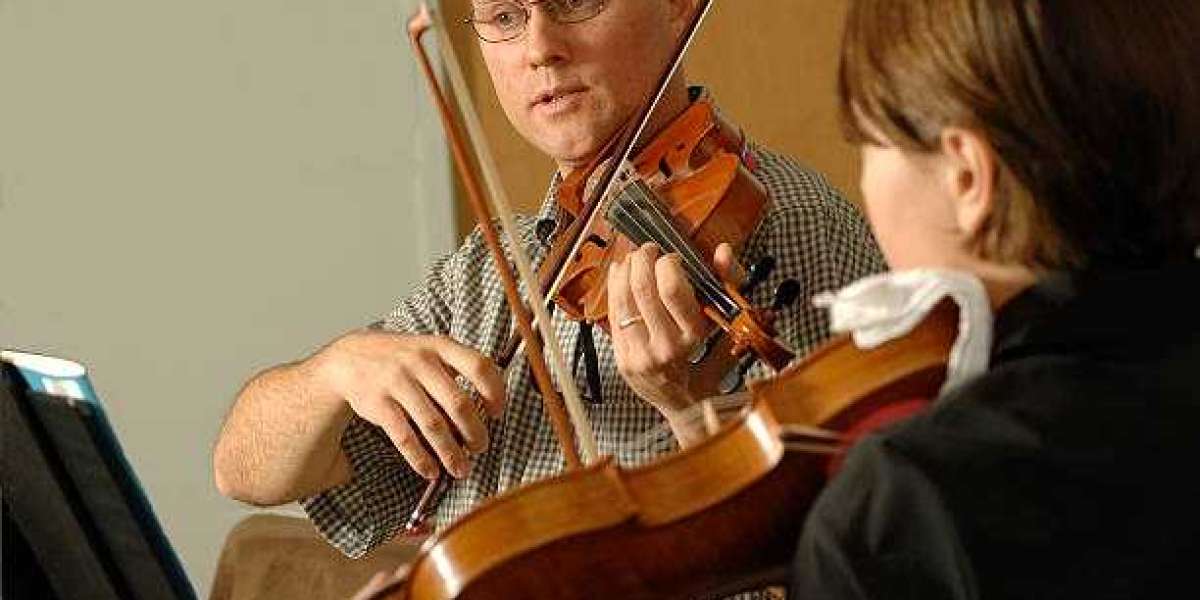

Musical education offers far more than the ability to play an instrument. It nurtures creativity, emotional awareness, and mental discipline. For many aspiring musicians, structured training begins with learning the piano because it visually represents musical theory in a clear way. Through consistent practice and guidance, a Piano Lesson can help students understand harmony, rhythm, and musical phrasing. When this training is complemented with a Voice Lesson, learners often develop stronger pitch recognition and expressive skills.
The Role of Piano in Musical Education
The piano is widely considered one of the most effective instruments for learning music theory. Keys arranged in a visual pattern allow students to see relationships between notes and chords while practicing. Within a typical Piano Lesson, learners explore scales, chord progressions, and rhythmic patterns that form the basis of many musical styles.
Musicians who also practice singing gain an additional advantage in musical understanding. Working through a Voice Lesson teaches students to control pitch and develop vocal tone. This connection between voice and keyboard practice helps reinforce musical patterns, making it easier to interpret melodies and harmonies during piano practice.
Developing Listening Skills Through Practice
Listening is a fundamental skill in music, and it improves significantly through guided training. During a Piano Lesson, instructors often encourage students to listen carefully to each note, paying attention to tone quality and balance between hands. This process strengthens auditory awareness and helps musicians recognize subtle musical details.
Vocal training enhances this listening ability even further. A Voice Lesson focuses on pitch control, breath support, and tonal clarity. When students sing scales or melodies that match piano exercises, their ears become more sensitive to musical accuracy. This coordination between singing and playing helps learners internalize musical patterns naturally.
Creativity and Personal Expression
Music is not only about accuracy; it is also about interpretation and emotion. Within a Piano Lesson, students begin exploring dynamics, phrasing, and tempo variations that bring compositions to life. Over time, learners realize that music allows them to express moods and feelings in ways words cannot always capture.
The voice plays an important role in emotional expression as well. Participating in a Voice Lesson teaches students how to shape phrases through breathing and tone control. These expressive skills influence piano performance because musicians start to approach instrumental melodies with the same expressive awareness used in singing.
Building Discipline and Consistency
Developing musical ability requires patience and regular practice. A structured Piano Lesson introduces routines that help students gradually build technique and confidence. Practicing scales, arpeggios, and musical pieces may seem repetitive, but this repetition strengthens coordination and timing.
When vocal training becomes part of the learning process, discipline expands beyond the keyboard. During a Voice Lesson, singers practice breathing techniques, articulation, and vocal projection. These exercises encourage musicians to approach practice with focus and dedication, which benefits every aspect of their musical journey.
Strengthening Performance Confidence
Performance can be intimidating for beginners, but confidence grows through preparation and experience. A supportive Piano Lesson environment encourages students to perform pieces for instructors or small audiences, gradually reducing stage anxiety. As students become more comfortable playing in front of others, their confidence continues to increase.
Adding vocal training into the learning process also helps overcome performance fear. A Voice Lesson provides techniques for controlling nerves through breathing and posture. Singing regularly in practice settings helps musicians feel more relaxed when sharing their music publicly.
Lifelong Musical Growth
Musical development does not end after mastering basic techniques. Many musicians continue learning new styles and expanding their repertoire throughout life. Continued participation in a Piano Lesson allows players to explore different genres, from classical compositions to contemporary arrangements.
Maintaining vocal practice also contributes to long-term musical growth. Regular engagement in a Voice Lesson strengthens ear training and musical memory, helping musicians stay connected to the emotional core of music.
Conclusion
Musical education shapes both artistic ability and personal development. A well-structured Piano Lesson introduces essential theory, coordination, and expressive techniques that form the backbone of musical understanding. When combined with vocal practice, musicians gain a deeper awareness of pitch, phrasing, and emotional storytelling.
The connection between piano study and vocal training creates a balanced musical experience that enhances creativity and confidence. Through dedication and consistent practice, learners can transform their musical skills into a lifelong source of inspiration and expression.