
When you manage a commercial property in San Antonio, concrete isn’t just part of the structure — it is the structure. Parking lots, loading docks, foundations, sidewalks, retaining walls, and warehouse slabs all depend on properly installed concrete.
Unfortunately, many projects fail not because of materials, but because of poor planning, rushed installation, or inexperienced crews. In South Texas, where soil shifts and extreme heat are common, cutting corners can lead to cracks, drainage problems, and costly repairs.
If you’re searching for commercial concrete contractors San Antonio TX, this guide explains what to look for, what services matter most, and how to protect your investment.
Why Commercial Concrete Is Different From Residential
Commercial concrete projects are more demanding than residential ones. They require:
Higher load-bearing capacity
Engineering compliance
ADA considerations
Strict timelines
Permit coordination
Heavy equipment access
A warehouse slab must support forklifts and inventory weight. A retail parking lot must withstand constant traffic. These projects demand technical precision and durable materials.
That’s why choosing experienced commercial concrete contractors San Antonio TX is essential.
Core Services Businesses Typically Need
1. Commercial Foundations Slabs
A properly poured foundation is critical for:
Office buildings
Warehouses
Retail centers
Industrial facilities
Professional contractors evaluate:
Soil compaction
Vapor barriers
Reinforcement placement
Expansion joints
Drainage slope
Poor compaction is one of the leading causes of slab failure in Texas.
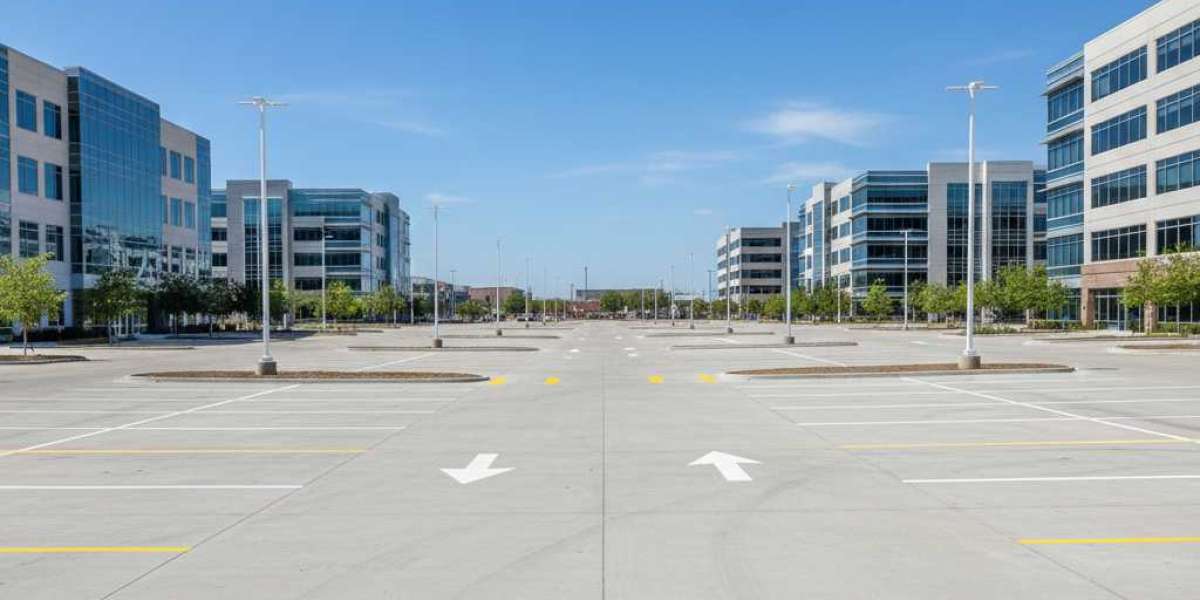
2. Parking Lots Drive Lanes
Commercial parking areas must handle:
Daily vehicle traffic
Delivery trucks
Temperature expansion
Stormwater runoff
Key installation factors include:
Proper grading
Reinforced concrete thickness
Control joints
Drainage planning
Without proper slope, standing water leads to surface breakdown.
3. Sidewalks ADA Compliance
Businesses must meet accessibility standards. This includes:
Proper slope ratios
Textured finishes for slip resistance
Ramp integration
Curb transitions
Compliance errors can result in fines or costly reconstruction.
4. Commercial Retaining Walls
San Antonio’s varied terrain often requires retaining walls for:
Elevation control
Drainage management
Soil stabilization
Commercial-grade retaining walls require structural engineering and reinforced systems — not simple landscape blocks.
The San Antonio Factor: Soil Climate Challenges
San Antonio’s clay-heavy soil expands when wet and contracts when dry. This constant movement stresses concrete structures.
Additionally:
Summer heat accelerates curing
Sudden storms test drainage systems
Temperature swings cause expansion and contraction
Experienced San Antonio TX commercial concrete contractors understand how to adapt mix design, curing schedules, and reinforcement methods to local conditions.
What to Look for in a Commercial Concrete Contractor
Choosing the right contractor can determine whether your concrete lasts 10 years or 40 years.
Here are essential qualities to prioritize:
Proven Commercial Experience
Commercial jobs require more than basic finishing skills. Look for documented projects of similar scale.
Knowledge of Local Regulations
Permitting, inspections, and code compliance vary by city. A local contractor navigates this efficiently.
Structural Planning Expertise
Professional contractors address:
Load requirements
Drainage control
Subgrade preparation
Reinforcement strategy
Clear Communication Scheduling
Downtime affects revenue. Reliable timelines matter.
Why Planning Prevents Costly Repairs
Many commercial concrete failures stem from:
Rushed soil preparation
Insufficient reinforcement
Inadequate drainage
Skipping vapor barriers
Poor expansion joint placement
While lower bids may seem attractive, improper installation often leads to:
Surface cracking
Uneven settling
Water intrusion
Structural weakening
Working with reputable commercial concrete contractors San Antonio TX reduces long-term risk.
The Importance of Proper Reinforcement
Reinforcement strengthens concrete against tension stress.
Common reinforcement methods include:
Rebar grids
Wire mesh
Fiber additives
Post-tension systems (for large slabs)
The right choice depends on project type and load demands.
Commercial facilities often require engineered reinforcement plans to meet structural standards.
Timeline Considerations for Commercial Projects
Business owners must plan around:
Weather delays
Inspection schedules
Concrete curing time
Site access coordination
Professional contractors factor these elements into realistic timelines, preventing unexpected delays.
Cost Factors for Commercial Concrete in San Antonio
Pricing varies depending on:
Square footage
Thickness requirements
Reinforcement type
Site preparation needs
Accessibility
Finishing specifications
While cost matters, the lowest bid rarely reflects the true project value.
Durability, compliance, and workmanship determine overall return on investment.
Working With a Trusted Local Contractor
For businesses seeking experienced service, Ramos Concrete provides commercial concrete solutions tailored to San Antonio’s climate and soil conditions.
Their services include:
Commercial slabs and foundations
Parking lots and drive lanes
Retaining walls
Sidewalks and structural flatwork
Why Planning Prevents Costly Repairs
Many commercial concrete failures stem from:
Rushed soil preparation
Insufficient reinforcement
Inadequate drainage
Skipping vapor barriers
Poor expansion joint placement
While lower bids may seem attractive, improper installation often leads to:
Surface cracking
Uneven settling
Water intrusion
Structural weakening
Working with reputable commercial concrete contractors San Antonio TX reduces long-term risk.
When to Schedule a Professional Assessment
If you notice:
Cracking slabs
Uneven surfaces
Pooling water
Soil erosion near structures
Foundation settling
It’s time for a professional evaluation.
Early intervention prevents larger, more expensive structural problems later.
Frequently Asked Questions
How long does commercial concrete last?
With proper installation and maintenance, commercial concrete can last 30–50 years or more.
Do commercial concrete projects require permits?
Yes, most structural and large-scale projects require permits and inspections in San Antonio.
How thick should a commercial slab be?
Thickness depends on load requirements. Warehouses and industrial sites require thicker, reinforced slabs.
What causes commercial concrete to crack?
Improper compaction, inadequate reinforcement, poor drainage, and rapid curing in hot weather are common causes.
How do I choose the right contractor?
Look for proven commercial experience, local knowledge, clear communication, and transparent planning.
Final Thoughts
Concrete is the foundation of your commercial property - literally and financially. Choosing experienced commercial concrete contractors San Antonio TX protects your investment, supports structural integrity, and ensures compliance with local standards.
Quality workmanship isn’t just about appearance. It’s about durability, engineering precision, and long-term performance.
Businesses that prioritize professional installation avoid costly repairs and downtime in the future.
For commercial projects in San Antonio, working with a knowledgeable local team like Ramos Concrete provides the expertise needed to build strong, lasting infrastructure tailored to Texas conditions.