
Understanding the Role of Engineering in Construction
Engineering plays a key role in both small and large projects. It connects design ideas with real-world construction methods. Engineers review drawings, test materials, and follow safety codes. Their work helps ensure that structures stay stable over time. Without proper engineering, even simple projects can develop serious issues.
Engineering also supports communication between contractors, architects, and property owners. Clear technical plans reduce confusion during construction. This leads to faster completion and fewer mistakes. Good planning always saves time and money.
Planning Strong and Safe Structures
Every structure must handle different types of loads. These include weight, weather pressure, and daily usage. Engineers calculate these forces before construction begins. This helps them select the right materials and design methods.
Strong planning also includes soil evaluation. The ground must support the building safely. If soil conditions are weak, engineers recommend solutions such as deeper foundations. Early testing helps avoid structural damage later.
Importance of Structural engineering in Modern Projects
Structural engineering focuses on designing buildings that remain stable and safe under different conditions. Engineers study load distribution, material strength, and environmental factors before finalizing a design. This process ensures that buildings can handle stress from wind, rain, and regular use. It also helps extend the lifespan of residential and commercial structures. Proper design reduces the need for frequent repairs.
Material Selection and Performance
Materials affect both safety and durability. Engineers compare concrete, steel, and other materials based on project needs. Each material has different strengths and costs. Choosing the right combination improves performance.
Durability is also important for long-term maintenance. Quality materials reduce repair expenses over time. Engineers consider weather exposure and usage conditions before finalizing material choices.
Site Evaluation and Environmental Considerations
Before construction starts, engineers study the site carefully. They review soil quality, drainage patterns, and surrounding structures. These factors influence design decisions. Proper site evaluation helps prevent foundation problems.
Environmental planning also protects nearby land and water systems. Engineers design projects to reduce erosion and water damage. This keeps both the structure and environment safe.
Water Control and Infrastructure Planning
Water management is essential for many construction projects. Poor drainage can weaken foundations and damage nearby areas. Engineers design systems that guide water safely away from structures. This includes channels, slopes, and drainage networks.
Flood prevention is another important concern. Engineers plan systems that control water flow during heavy rainfall. Good water control improves both safety and durability.
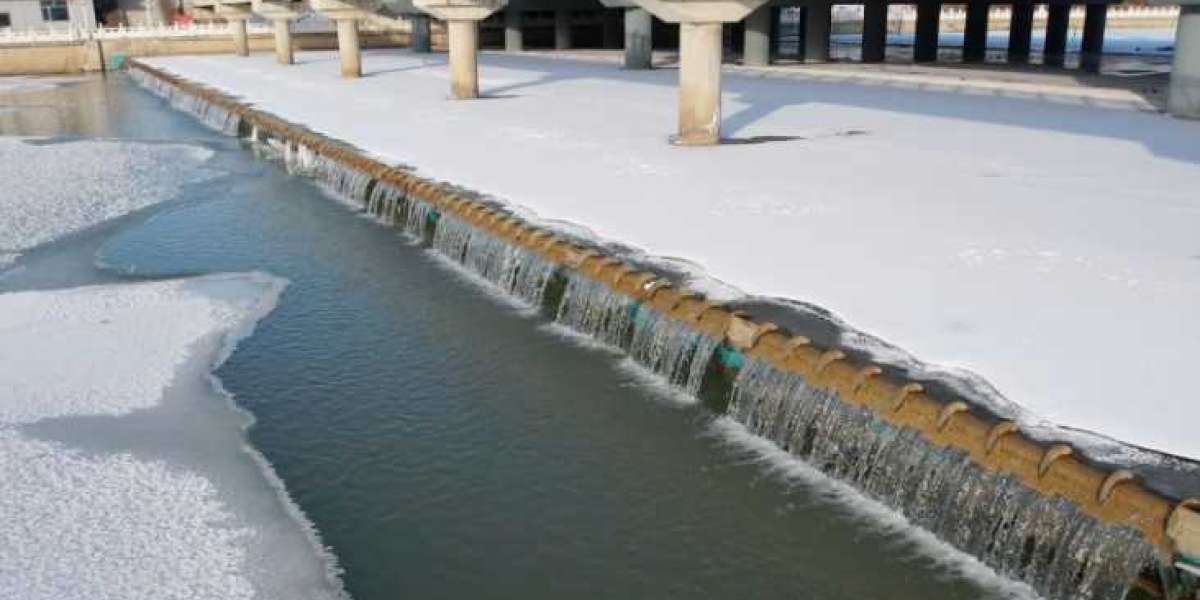
Role of Hydraulic structure design in Water Projects
Hydraulic structure design helps engineers manage the movement and storage of water in construction projects. It is commonly used in dams, drainage systems, and flood control structures. Engineers calculate water pressure and flow patterns before building these systems. Accurate planning prevents overflow and structural stress. This process improves the reliability of water-related infrastructure.
Inspection and Quality Control
Regular inspections are necessary during construction. Engineers check whether work matches approved designs. This helps identify problems early. Quick corrections prevent larger issues later.
Quality control also ensures compliance with safety standards. Engineers review materials and construction methods. Consistent monitoring improves project outcomes.
Benefits of Hiring Professional Engineering Services
Professional engineering services provide technical expertise and project guidance. Engineers help reduce risks by planning every stage carefully. Their involvement improves construction quality. It also ensures compliance with local building codes.
Hiring experts also improves cost control. Proper planning reduces delays and unexpected repairs. This makes projects more efficient and reliable.
Long-Term Maintenance and Structural Stability
Even well-designed structures require periodic maintenance. Engineers recommend inspection schedules based on structure type. Early detection of small issues prevents major damage. Maintenance helps extend the lifespan of buildings and infrastructure.
Property owners benefit from long-term planning. Regular assessments improve safety and reduce repair costs. Preventive care is always more effective than emergency fixes.
Conclusion
Engineering plays a critical role in safe and durable construction. From planning materials to managing water systems, professional expertise ensures reliable results. Careful design reduces risks and improves long-term performance for both residential and commercial projects. For dependable technical support and expert solutions, Engineer On Call LLC provides professional services in Happy Valley, OR and its surrounding areas.