Government-funded training programmes make these valuable qualifications more accessible to aspiring learners across Scotland. By enrolling in a recognised course, gaining hands-on experience, and earning respected certifications, you can position yourself for a successful and stable caree
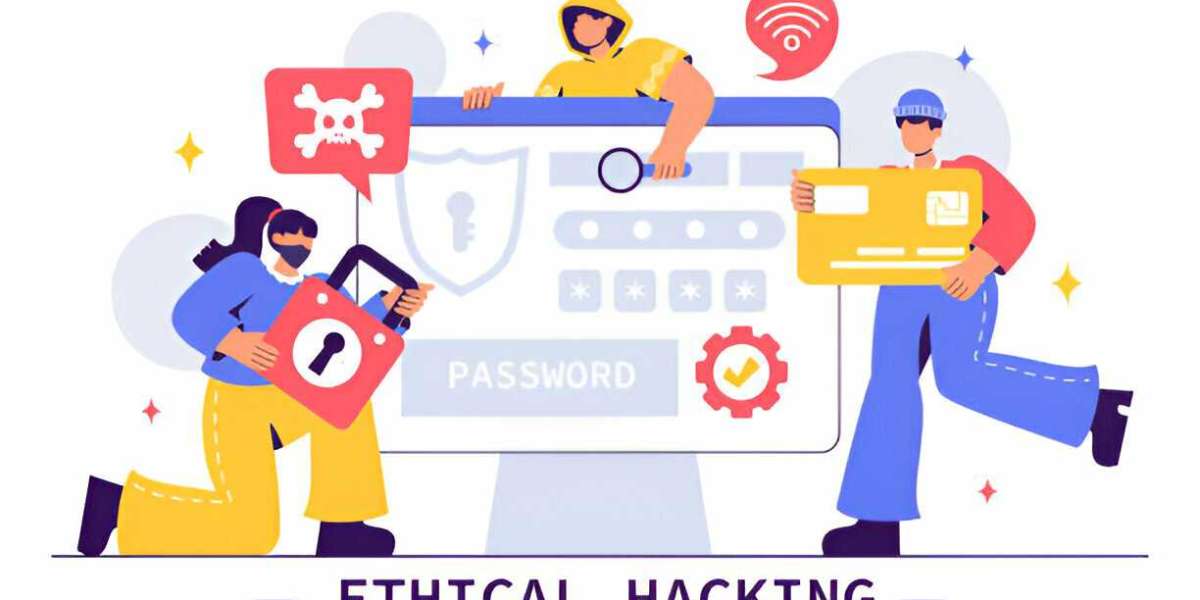
Certified ethical hacking courses in Scotland are becoming increasingly popular as cyber threats continue to rise across industries. From financial institutions to healthcare providers and government agencies, organisations are investing heavily in cyber security professionals who can identify vulnerabilities before malicious hackers exploit them. Ethical hacking, also known as penetration testing, is now one of the most in-demand IT career paths in the UK.If you are interested in building a career in cyber security, government-funded ethical hacking courses can provide an affordable and structured pathway into this high-growth field. In this blog, we will explore what ethical hacking involves, how government funding works in Scotland, the certifications available, and how institutes like ITPT support learners in achieving their goals.What Is Ethical Hacking?Ethical hacking refers to the authorised practice of testing computer systems, networks, and applications to identify security weaknesses. Unlike malicious hackers, ethical hackers work with permission to strengthen cyber defences.Ethical hackers use the same tools and techniques as cybercriminals, but their purpose is to protect organisations from attacks such as:• Data breaches• Ransomware attacks• Phishing campaigns• Network intrusions• Application vulnerabilitiesWith digital transformation accelerating across Scotland, the demand for certified ethical hackers is steadily increasing.Why Ethical Hacking Skills Are in High Demand in ScotlandScotland has a growing digital economy, especially in cities like Edinburgh, Glasgow, Aberdeen, and Dundee. These cities host fintech companies, tech startups, universities, and multinational corporations that rely heavily on secure digital infrastructure.With increasing cyber threats globally, organisations need skilled professionals to:• Conduct penetration testing• Monitor network security• Identify system vulnerabilities• Ensure compliance with data protection laws• Respond to security incidentsCertified ethical hacking courses in Scotland prepare learners with practical skills that employers are actively seeking.What Are Government-Funded Ethical Hacking Courses?Government-funded courses are training programmes partially or fully subsidised by public funding. These initiatives aim to improve workforce skills, reduce unemployment, and address the growing skills shortage in the IT and cyber security sectors.Funding may be available for:• Unemployed individuals• Career changers• Low-income learners• Young people entering the workforce• Employees seeking to upskillMany courses are aligned with recognised qualifications regulated by the Scottish Qualifications Authority to ensure quality and credibility.Institutes like ITPT help students understand eligibility requirements and guide them through funding application processes.Key Certifications in Ethical HackingWhen enrolling in a certified ethical hacking course, it is important to choose a programme that prepares you for globally recognised certifications.1. Certified Ethical Hacker (CEH)The Certified Ethical Hacker credential is offered by EC-Council. It is one of the most recognised ethical hacking certifications worldwide.The course covers:• Footprinting and reconnaissance• Scanning networks• System hacking• Malware threats• Social engineering• Web application securityCEH certification demonstrates that you understand the core concepts of ethical hacking and penetration testing.2. CompTIA Security+Although not strictly an ethical hacking certification, CompTIA Security+ provides a strong foundation in cyber security principles.Topics include:• Network security• Threat management• Cryptography• Identity management• Risk managementMany learners begin with Security+ before progressing to ethical hacking certifications.3. Penetration Testing CertificationsAdvanced learners may pursue penetration testing certifications that focus specifically on real-world attack simulations and vulnerability exploitation.These programmes often include:• Hands-on lab environments• Realistic hacking simulations• Practical assessment tasksGovernment-funded pathways sometimes cover foundational modules leading toward these advanced certifications.What You Learn in a Government-Funded Ethical Hacking CourseCertified ethical hacking courses in Scotland typically combine theory with hands-on practice.Core Modules May Include:• Introduction to cyber security• Networking fundamentals• Operating systems (Windows & Linux)• Ethical hacking methodologies• Vulnerability assessment tools• Penetration testing techniques• Web application security testing• Reporting and documentationPractical lab sessions are crucial. Students often work in simulated environments to practise identifying and exploiting vulnerabilities safely.At ITPT, emphasis is placed on real-world scenarios to ensure learners gain job-ready skills.Benefits of Government-Funded CoursesChoosing a government-funded ethical hacking course offers several advantages:1. Reduced Financial BurdenFunding support makes high-quality training more accessible.2. Recognised QualificationsCourses often align with industry standards and recognised certifications.3. Career-Focused TrainingThese programmes are designed to address skills shortages in the job market.4. Progression OpportunitiesLearners can move from beginner to advanced cyber security pathways.Career Opportunities After CertificationCompleting certified ethical hacking courses in Scotland can open doors to a wide range of roles, including:• Ethical Hacker• Penetration Tester• Cyber Security Analyst• Security Consultant• Network Security Engineer• Vulnerability AnalystAs organisations strengthen their cyber defences, the demand for skilled ethical hackers continues to grow across Scotland.Skills Employers Look ForIn addition to certification, employers value:• Strong problem-solving abilities• Analytical thinking• Attention to detail• Communication skills• Ethical responsibilityEthical hackers must not only identify vulnerabilities but also explain risks clearly to management teams.The Importance of Practical ExperienceThe best certified ethical hacking courses in Scotland include hands-on lab training. Practical experience ensures students can:• Use penetration testing tools• Analyse system weaknesses• Conduct vulnerability assessments• Prepare professional security reportsWithout practical exposure, theoretical knowledge alone is insufficient in this field.Institutes like ITPT integrate lab-based exercises and real-world case studies into their cyber security training programmes.The Future of Ethical Hacking in ScotlandAs digital systems become more complex, cyber threats are evolving rapidly. Ethical hacking is no longer optional—it is essential for protecting sensitive data and maintaining public trust.Scotland’s investment in digital infrastructure, fintech innovation, and cloud services means that cyber security professionals will remain in high demand for years to come.Government-funded certified ethical hacking courses in Scotland play a vital role in developing a skilled workforce capable of tackling modern cyber challenges.Why Choose ITPT for Ethical Hacking Courses?ITPT is committed to delivering industry-relevant IT and cyber security training across Scotland. Students benefit from:• Experienced cyber security instructors• Practical lab-based learning• Support with funding applications• Career guidance and CV preparation• Flexible study optionsBy combining technical training with career support, ITPT helps learners transition successfully into cyber security roles.ConclusionCertified ethical hacking courses in Scotland offer an exciting and rewarding pathway into the fast-growing field of cyber security. With cyber threats increasing globally, organisations urgently need trained professionals who can protect systems and sensitive data.


 Metandienone Wikipedia
 Exploring Online Sports Betting and How the Sureman Scam Verification Platform Can Protect You
 Enrol in Best Animation and Multimedia Courses at IDEAMAX Institute
 Job-Oriented Animation and Multimedia Courses | IDEAMAX Institute
 Vibely Mascara Takes Sephora By Storm: A Lash Change?