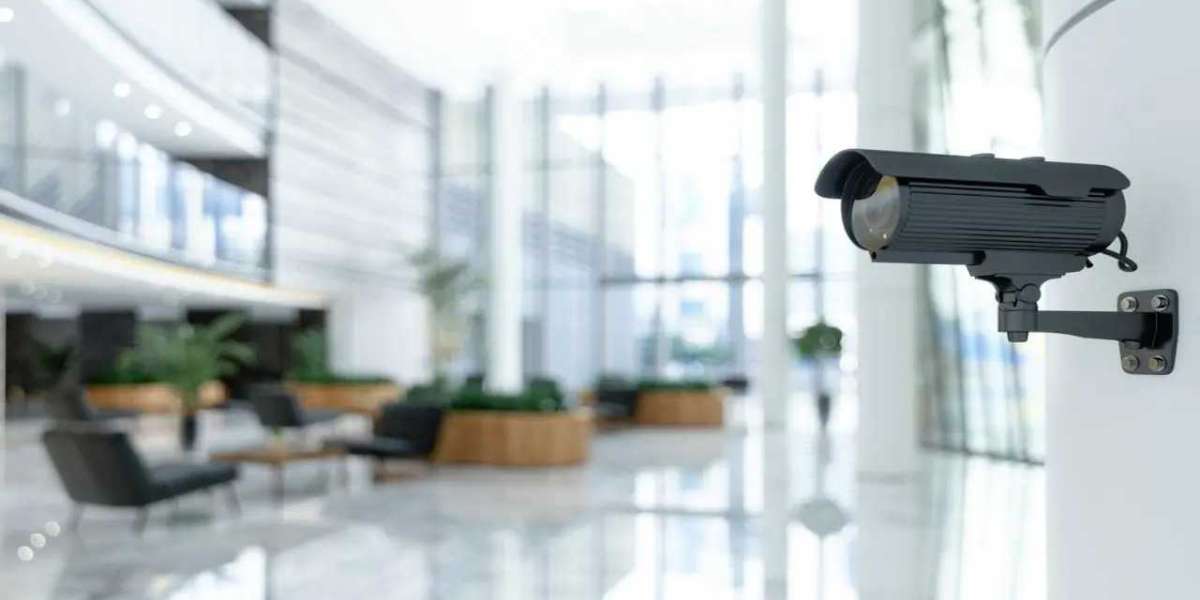

I remember walking into my first office space as a young manager and feeling a mixture of excitement and concern. The building was bustling with energy, but I couldn’t shake the thought of potential risks that came with managing a business. Security was no longer a simple afterthought; it was central to protecting assets, employees, and operations. I began exploring solutions that could give me confidence without overwhelming the daily workflow.
During my research, I came across a variety of commercial security systems and realized how far technology had come. From advanced access control to intelligent surveillance cameras, businesses now had tools that could detect, prevent, and respond to threats in real time. These systems offered more than protection—they provided insight and operational support that could improve efficiency while keeping people safe.
The Advantages of Smart Monitoring
Modern commercial security solutions go beyond simple alarms and locks. Cameras now offer high-definition video feeds, motion detection, and AI-based behavior analysis. Sensors can alert managers to unusual activity, and access control ensures only authorized personnel enter sensitive areas. This level of monitoring transforms reactive security into proactive management.
I visited a local business that had recently installed such a system and was impressed by the coordination of their devices. The cameras and sensors worked together, sending precise alerts and reducing false alarms. It was clear that intelligent monitoring not only protected assets but also allowed staff to focus on their work without constant distraction from security concerns.
Lessons from Residential Security
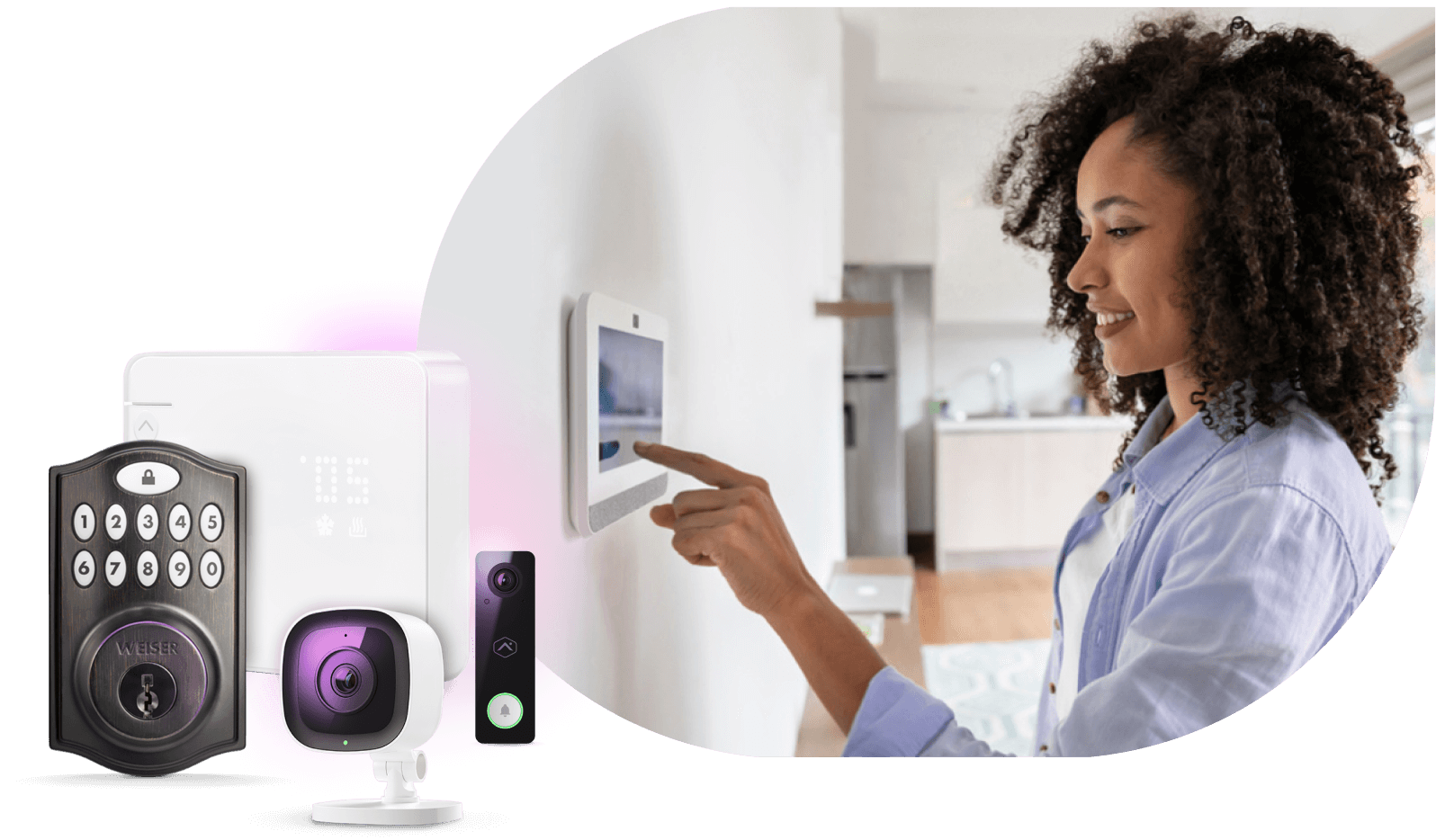
Interestingly, many strategies used in home security systems can also inform business protection. Layered monitoring, remote alerts, and mobile access are common in modern residences and translate effectively into commercial environments. I realized that businesses could learn from these principles to strengthen their defenses while improving usability for employees.
Using mobile apps to check cameras or control entry points remotely creates a sense of control similar to what homeowners experience. This integration of convenience and safety reassured managers that operations could continue smoothly while remaining secure. It also highlighted that technology for protection could serve multiple purposes, blending security with operational efficiency.
Access Control and Authentication
Managing who enters a business is critical for security. Modern systems allow for electronic access cards, biometric scans, and customizable permissions. This ensures that only authorized individuals can reach sensitive areas, minimizing the risk of theft or sabotage.
During my visits to several offices, I noticed that employees appreciated these measures because they were intuitive and consistent. No one struggled with complicated codes or cumbersome procedures. Instead, access control was integrated seamlessly into daily routines, creating a safer and more organized work environment.
Surveillance and Real-Time Alerts
Video surveillance has evolved dramatically in recent years. Cameras can now recognize faces, detect unusual motion patterns, and store data securely in the cloud. Real-time alerts allow managers to respond immediately, whether it is a potential security breach or an operational concern.
The ability to monitor multiple locations from a single dashboard gives businesses unprecedented oversight. For instance, a security officer can instantly view a parking lot and entryways, and mobile notifications keep managers informed even when they are away from the office. This combination of visibility and responsiveness strengthens both protection and confidence.
Cybersecurity Integration
With many commercial security systems connected to networks and the cloud, digital protection becomes a key component. Ensuring that cameras, sensors, and access points are encrypted and secure helps prevent hacking or unauthorized access.
I noticed that integrating cybersecurity into the physical security framework created a holistic approach. Protecting data alongside physical assets ensures that the business is prepared for both traditional and modern threats. Employees felt safer knowing that both the environment and the information were secure.
Scalability for Growing Businesses
Modern solutions are designed to scale as a business grows. Systems can be expanded with additional cameras, access points, or integrated monitoring without replacing the original setup. This flexibility allows companies to invest in security gradually, adapting to their evolving needs.
I realized that planning for future growth is essential. By selecting scalable systems, businesses can maintain high security standards even as new locations or departments are added. This forward-thinking approach prevents gaps in protection and ensures long-term reliability.
Training and Human Oversight
Technology is powerful, but human oversight remains critical. Employees need training to use systems effectively, respond to alerts, and follow safety protocols. Professional monitoring services also add a layer of assurance, ensuring that emergencies are handled promptly and correctly.
I observed that businesses combining advanced technology with human vigilance enjoyed the best results. Alerts were verified quickly, procedures were followed consistently, and confidence in the system was high. This combination of smart devices and trained personnel created a robust security culture.
Cost Efficiency and Investment

While advanced commercial security systems require investment, the long-term benefits often outweigh the costs. Preventing theft, reducing downtime, and improving operational awareness all contribute to financial stability.
I saw firsthand how businesses that invested in smart monitoring and access control experienced fewer incidents and improved efficiency. Security was no longer just an expense—it became a strategic investment in the continuity and success of the organization.
Choosing a Reliable Provider
Selecting the right provider is as important as choosing the right equipment. Companies that offer installation, ongoing support, and professional guidance ensure that systems function reliably and evolve with the business.
For my business, partnering with United Security Systems provided this assurance. Their expertise in commercial security systems, combined with professional support, allowed for a seamless installation and ongoing management. Knowing that a trusted provider was monitoring and maintaining the system gave me confidence in both technology and operations.
Living and Operating with Confidence
Once the systems were in place, the daily experience of running the business changed. Managers and employees felt secure, and operations could continue without constant concern over potential threats. The presence of smart security became a quiet, stabilizing force rather than an intrusive element.
Modern security solutions create a workplace that is both safe and productive. Employees can focus on their work while managers monitor assets and operations effectively. The combination of technology, human oversight, and reliable support ensures that protection is comprehensive, adaptable, and unobtrusive.
Final Reflections
Reflecting on my journey, I realized that modern commercial security is about intelligence, integration, and proactive management. By combining advanced devices, mobile access, and professional guidance, businesses can protect people, assets, and operations with confidence.
Investing in smart security is more than installing cameras and locks. It is about creating a safe, efficient, and adaptable environment. With the right strategy and support from companies like United Security Systems, businesses can enjoy peace of mind while preparing for the challenges of the future.