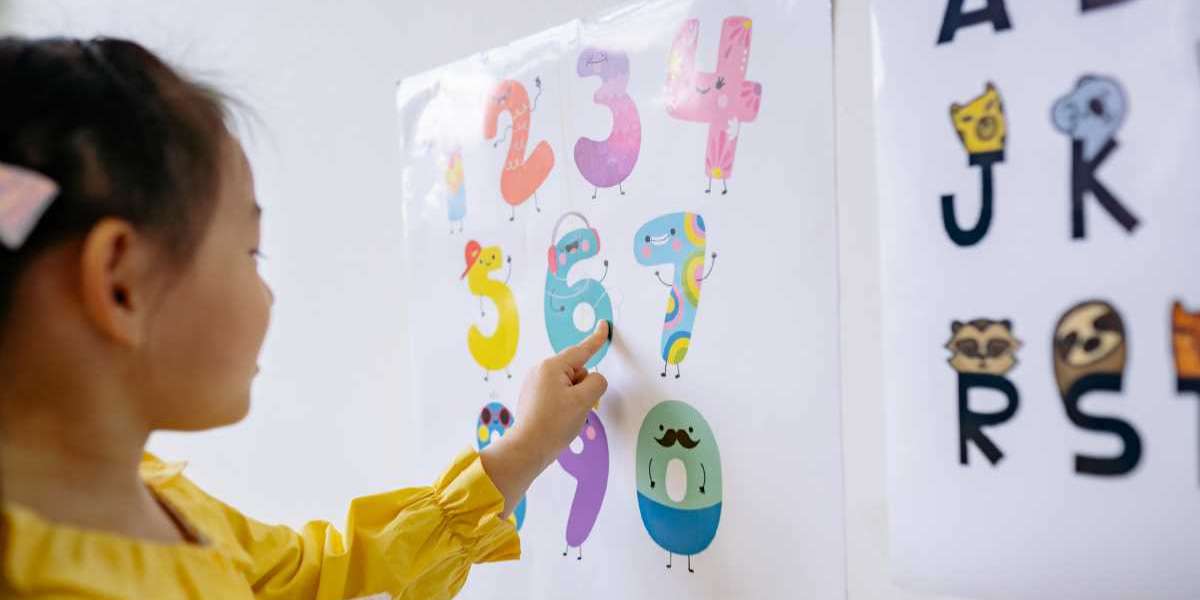

Raising and educating children with autism requires understanding, patience, and consistent support across every part of their lives. When families, educators, and community members work together, children with autism can develop meaningful skills, build confidence, and achieve greater independence. Support does not happen in one setting alone—it must be present at home, reinforced at school, and encouraged throughout the community.
Creating a unified approach ensures that children experience stability and encouragement wherever they go. With thoughtful planning and collaboration, we can provide children with autism the opportunities they deserve to grow and thrive.
Building a Strong Foundation at Home
Home is the first and most important learning environment for children with autism. It is where routines are established, communication begins, and daily life skills are practiced. A structured and predictable home environment helps children feel secure and understand expectations.
Establishing Consistent Routines
Consistency plays a powerful role in helping children with autism succeed. Simple daily routines—such as morning preparation, mealtimes, homework, and bedtime—can reduce confusion and build independence. Visual schedules, checklists, and step-by-step instructions can guide children through tasks and promote responsibility.
Encouraging Communication
Communication development is essential for children with autism. Parents can support this growth by engaging in regular conversations, reading together, and encouraging children to express their needs and preferences. Whether a child communicates verbally or through alternative methods, giving them opportunities to share their thoughts builds confidence and strengthens relationships.
Teaching Life Skills
Home is the perfect setting for teaching practical life skills. Activities like dressing, cleaning up toys, helping with simple chores, and preparing snacks provide valuable learning opportunities. Breaking tasks into manageable steps and offering positive reinforcement can motivate children with autism to practice and master these skills over time.
Positive Reinforcement
Recognizing effort and progress encourages children with autism to keep trying. Praise, rewards, and acknowledgment of achievements—no matter how small—reinforce positive behaviors and create a supportive atmosphere. A nurturing environment helps children feel valued and understood.
Supporting Success at School
Schools play a vital role in the development of children with autism. Academic growth, social interaction, and skill-building happen daily in the classroom. Collaboration between parents and educators ensures that children receive consistent support and clear expectations.
Individualized Learning Approaches
Every child learns differently. Teachers who adapt lessons to meet individual needs help children with autism stay engaged and make progress. Structured instruction, visual supports, and clear directions can enhance understanding and participation.
Individualized Education Programs (IEPs) or personalized learning plans can outline goals, accommodations, and strategies tailored to each child. Regular communication between teachers and families keeps everyone aligned and focused on shared objectives.
Promoting Social Development
School provides valuable opportunities for children with autism to interact with peers. Structured group activities, cooperative learning tasks, and guided play can help children practice sharing, taking turns, and building friendships.
Educators can model positive interactions and gently guide children through social situations. Encouraging peer understanding and inclusion fosters a welcoming classroom culture where all students feel respected.
Encouraging Independence
Teachers can gradually encourage independence by assigning manageable responsibilities. Simple tasks such as organizing materials, completing assignments with minimal prompts, and following classroom routines help children with autism gain confidence in their abilities.
Clear expectations and consistent feedback allow children to understand what is required and how to improve. Over time, these skills contribute to greater self-reliance.
Fostering Inclusion in the Community
Support for children with autism should extend beyond home and school. Community involvement promotes social growth, real-world learning, and a sense of belonging. Inclusive communities recognize the value of every individual and create environments where children can participate fully.
Recreational Activities
Sports teams, art classes, music lessons, and clubs provide opportunities for children with autism to explore interests and develop talents. Structured extracurricular activities can enhance teamwork, communication, and problem-solving skills.
Community organizations that offer inclusive programs ensure that children with autism feel welcomed and supported. Clear instructions, patient coaching, and positive reinforcement help children succeed in these settings.
Public Awareness and Understanding
Communities that promote awareness create safer and more supportive environments for children with autism. When neighbors, business owners, and community leaders understand diverse learning and communication styles, they are better prepared to respond with patience and kindness.
Workshops, informational sessions, and inclusive events can increase understanding and reduce misconceptions. An informed community empowers children with autism to participate confidently in public spaces.
Building Real-World Skills
Community settings offer practical learning experiences. Trips to grocery stores, libraries, parks, and restaurants help children with autism practice communication, decision-making, and social interaction in everyday situations.
Parents and caregivers can prepare children in advance by discussing expectations and practicing scenarios. Gradual exposure and consistent support make new experiences more manageable and enjoyable.
The Power of Collaboration
Supporting children with autism effectively requires teamwork. Parents, teachers, therapists, and community members each play a unique role. Open communication ensures that strategies used in one setting are reinforced in others.
Regular meetings between families and educators can address challenges, celebrate progress, and adjust goals when needed. Sharing observations and strategies helps create consistency, which is essential for growth.
When everyone works toward common objectives, children with autism benefit from a cohesive support system that strengthens learning and development.
Encouraging Emotional Well-Being
Emotional health is just as important as academic and practical skills. Children with autism may experience frustration when facing challenges. Teaching coping strategies, encouraging self-expression, and providing reassurance can help them manage emotions effectively.
Parents and teachers can model calm problem-solving techniques and guide children through difficult moments. Recognizing feelings and validating experiences builds trust and emotional resilience.
Creating safe spaces where children feel accepted and understood promotes self-confidence and reduces anxiety.
Looking Toward the Future
The ultimate goal of supporting children with autism is to help them become confident, capable individuals. Early intervention, consistent guidance, and community inclusion lay the foundation for long-term success.
As children grow, support strategies may evolve to match their changing needs. Transition planning for higher education, vocational training, or employment becomes increasingly important during adolescence. Teaching decision-making, time management, and self-advocacy skills prepares children with autism for adulthood.
With the right support systems in place, children with autism can pursue their interests, contribute to their communities, and achieve personal goals.
Conclusion
Supporting children with autism at home, school, and in the community requires dedication, compassion, and collaboration. Structured routines at home, individualized learning at school, and inclusive opportunities in the community all contribute to meaningful growth.
When families, educators, and community members unite with a shared commitment, children with autism gain the confidence and skills needed to navigate the world successfully. Through understanding, encouragement, and consistent support, we can help children with autism build bright and fulfilling futures.