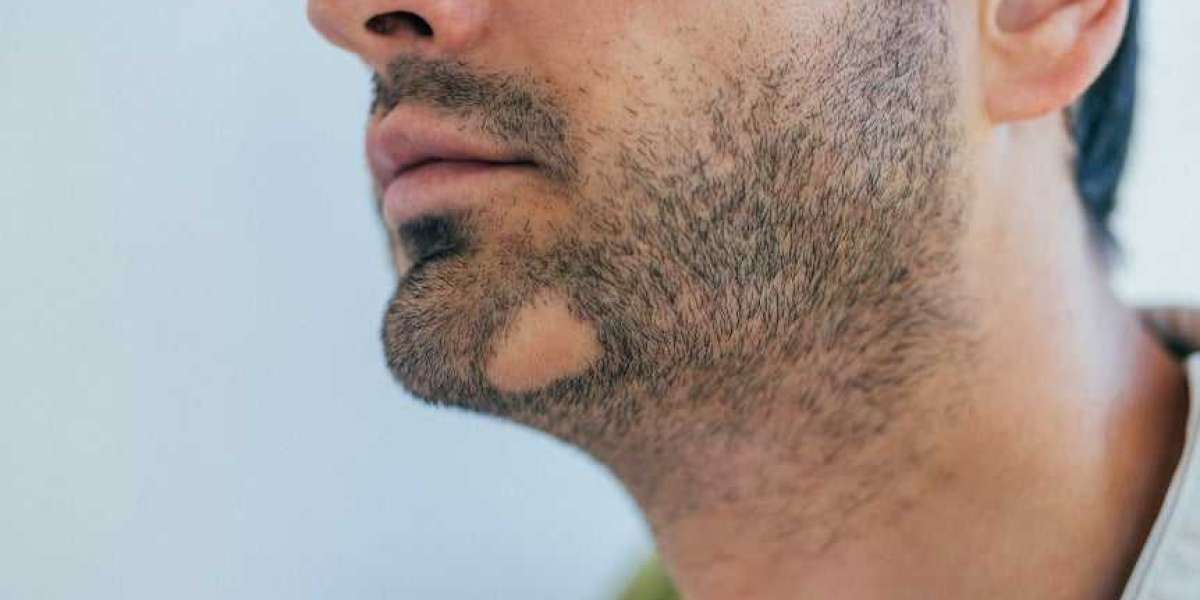

Scarring on the face, particularly in the beard area, can be a source of self-consciousness for many individuals. Whether from accidents, surgeries, or skin conditions, these marks can disrupt the natural flow of facial hair. For those seeking a permanent solution, the idea of restoring hair exactly where it once grew is incredibly appealing. Beard Hair Transplant in Dubai for scars has emerged as a highly effective procedure to address this very concern, offering a way to blend scars seamlessly with the rest of the facial hair.
Understanding How a Transplant Works on Scar Tissue
The process involves relocating healthy hair follicles from a donor area, typically the back of the scalp, to the scarred regions of the face. This is a meticulous procedure that requires precision because scar tissue is fundamentally different from normal skin. Scar tissue often has compromised blood flow, which is the lifeblood for newly transplanted follicles. The success of the procedure hinges on the surgeon's ability to work with this unique environment. The transplanted hairs are carefully placed into the scar tissue, and once they establish a new blood supply, they begin to grow naturally. Over time, these hairs mature and can be styled, trimmed, and shaved just like the surrounding beard hair, effectively camouflaging the underlying scar.
Does It Actually Work for Different Types of Scars?
The short answer is yes, but the degree of success can vary depending on the nature of the scar. The procedure has shown remarkable results across a spectrum of scar types, offering a renewed sense of confidence for those who felt their appearance was permanently altered.
Traumatic Scars and Accidents
Scars resulting from cuts, abrasions, or impacts often create patchy areas where hair follicles were destroyed. A transplant can be incredibly effective in these cases. The surrounding skin is usually healthy, and the scar, while present, provides a stable base. By densely packing the scarred area with grafts, a full and natural-looking beard can be recreated. The new growth helps to soften the appearance of the scar tissue itself, making it much less noticeable to the casual observer.
Surgical Scars from Previous Procedures
Facial surgeries, such as tumor removals or cleft lip repairs, can leave distinct linear scars. These scars often heal well but remain hairless, creating an obvious line amidst facial hair. A beard hair transplant is particularly well-suited for this scenario. Surgeons can strategically place grafts along the scar line to mimic the natural direction and density of the patient's beard. The result is a seamless integration where the surgical history becomes virtually undetectable.
Scars from Burns
Burn scars present a more complex challenge due to the extensive damage they can cause to the skin's surface and underlying blood supply. However, advancements in transplant techniques have made it possible to achieve meaningful results even in these difficult cases. While the graft survival rate might be slightly lower than in healthier skin, many individuals see significant improvement. The procedure can restore hair to the perimeter and, in some cases, the central areas of the burn scar, dramatically improving the overall aesthetic and helping to break up the scar's visual monotony.
The Journey of Transplanted Hair in a Scar
One of the most common questions is about the timeline and what to expect as the hair begins to grow. Initially, the transplanted hair will fall out within a few weeks. This is a normal and expected part of the process. The follicle itself remains alive beneath the surface of the scar, entering a resting phase before beginning to produce new hair. After a few months, new growth will start to appear. It is often fine at first but will thicken and coarsen over time to match the patient's natural beard hair. The final, mature results are typically visible within twelve to eighteen months, at which point the scar is fully integrated into the beard landscape.
The Importance of Donor Hair Selection
The choice of donor hair plays a pivotal role in how natural the final result looks. Hair from the back of the scalp is most commonly used because it is genetically programmed to grow for a long time and is resistant to shedding. The surgeon must consider the texture, color, and curl of the donor hair to ensure it blends perfectly with the existing beard. In some cases, using hair with a slightly different characteristic can help to create a more natural transition between the scarred area and the native beard growth. The artistry lies in matching these elements so that the restored area is indistinguishable from the rest of the facial hair.
Who Is a Good Candidate for This Procedure?
Ideal candidates are individuals who are in good general health and have realistic expectations about what the procedure can achieve. It is essential that the scar itself is mature and stable, meaning it has fully healed and its appearance has not changed for at least a year. This stability provides the best possible foundation for the transplants. A sufficient supply of donor hair is also necessary to achieve the desired density within the scarred area. A thorough evaluation of the scar's elasticity and blood supply will help determine the likelihood of a successful outcome.
Frequently Asked Questions
How long does the transplanted hair last in a scar?
Once the transplanted hair follicles have successfully established themselves in the scar tissue, they are there for the long term. Because the follicles are taken from the genetically permanent donor zone, they retain their characteristics and will continue to grow hair indefinitely. This provides a lasting solution to hair loss within the scarred area.
Will the transplanted hair look different from my regular beard?
The goal of the procedure is to achieve a seamless blend. The surgeon selects donor hair that closely matches the natural beard in terms of texture, curl, and color. As the hair grows, it will take on the characteristics of beard hair. With proper styling, it becomes impossible to distinguish the transplanted hair from the native beard hair.
Is the procedure painful when performed on scar tissue?
The procedure is performed under local anesthesia, which numbs the area completely. While scar tissue can sometimes be denser and require more effort to inject the anesthetic, patients are comfortable throughout the process. Any sensation during the procedure is typically limited to the feeling of pressure or vibration rather than pain.
How soon will I see the final results covering the scar?
Patience is key when it comes to seeing the full results. The transplanted hair will shed before new growth begins. Visible improvement starts around three to four months, but the hair will continue to thicken and mature. Enfield Royal Clinic Dubai complete result that fully camouflages the scar is typically appreciated after a full year, once all the hair has reached its final texture and length.