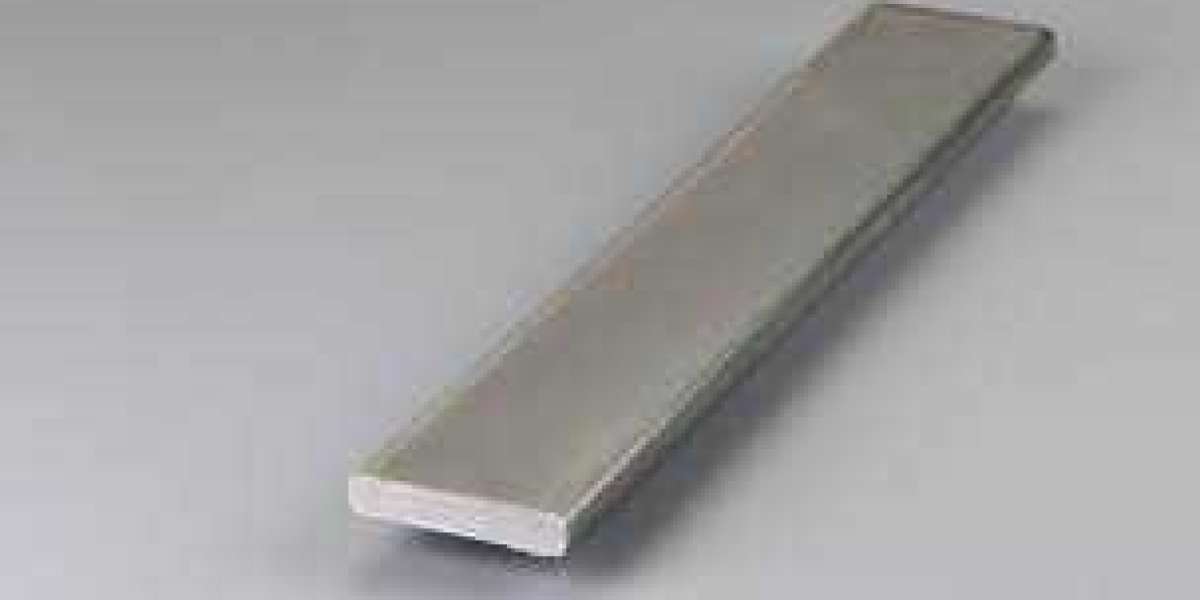

Stainless steel flat bar is a highly durable and versatile metal product widely used in structural, industrial, and fabrication applications. With its rectangular cross-section and solid form, it offers excellent load-bearing capacity and resistance to corrosion, making it suitable for both heavy-duty and decorative uses.
Because of its strength and adaptability, stainless steel flat bar is a preferred material in industries such as construction, automotive, shipbuilding, power plants, and chemical processing.
Overview of Stainless Steel Flat Bar
A stainless steel flat bar is manufactured in a rectangular shape with flat surfaces and uniform thickness. It is typically produced through hot rolling or cold drawing processes to achieve precise dimensions and improved surface finish.
Flat bars are available in various grades depending on application requirements, including:
Stainless Steel 304
Stainless Steel 304L
Stainless Steel 316
Stainless Steel 316L
Stainless Steel 410
Each grade provides specific advantages, such as improved corrosion resistance, higher strength, or better performance in marine environments.
Key Characteristics
1. Corrosion Resistance
The chromium content in stainless steel forms a protective oxide layer that prevents rust and oxidation, even in humid or corrosive environments.
2. Strong Structural Support
Stainless steel flat bar offers high tensile and yield strength, making it suitable for structural reinforcement and support frameworks.
3. Excellent Fabrication Capability
It can be easily welded, cut, machined, drilled, and bent to meet custom requirements.
4. Temperature Resistance
Flat bars maintain stability and strength at both high and low temperatures.
5. Long Service Life
Due to its resistance to corrosion and wear, stainless steel flat bar requires minimal maintenance.
Manufacturing Process
The production process includes:
Melting raw stainless steel materials in a furnace
Casting into billets or slabs
Rolling into flat rectangular sections
Heat treatment to improve mechanical properties
Surface finishing (mill finish, polished, brushed)
Inspection and quality testing
Strict quality control ensures compliance with international standards.
Applications of Stainless Steel Flat Bar
Stainless steel flat bars are widely used in:
Construction beams and supports
Industrial machinery components
Automotive and transport parts
Marine and shipbuilding structures
Oil gas equipment
Food processing machinery
Architectural railings and gates
Their versatility makes them suitable for both structural and aesthetic applications.
Benefits of Stainless Steel Flat Bar
High strength-to-weight ratio
Excellent resistance to corrosion and chemicals
Low maintenance costs
Easy customization
Suitable for harsh environments
Long-term reliability
These benefits make stainless steel flat bar a practical and economical solution for various industries.
Conclusion
Stainless steel flat bar is an essential material in modern engineering and construction. Its combination of strength, corrosion resistance, and fabrication flexibility makes it ideal for a wide range of industrial and commercial uses.
Whether used for structural reinforcement, machinery parts, or architectural applications, stainless steel flat bar delivers dependable performance and long-lasting durability.