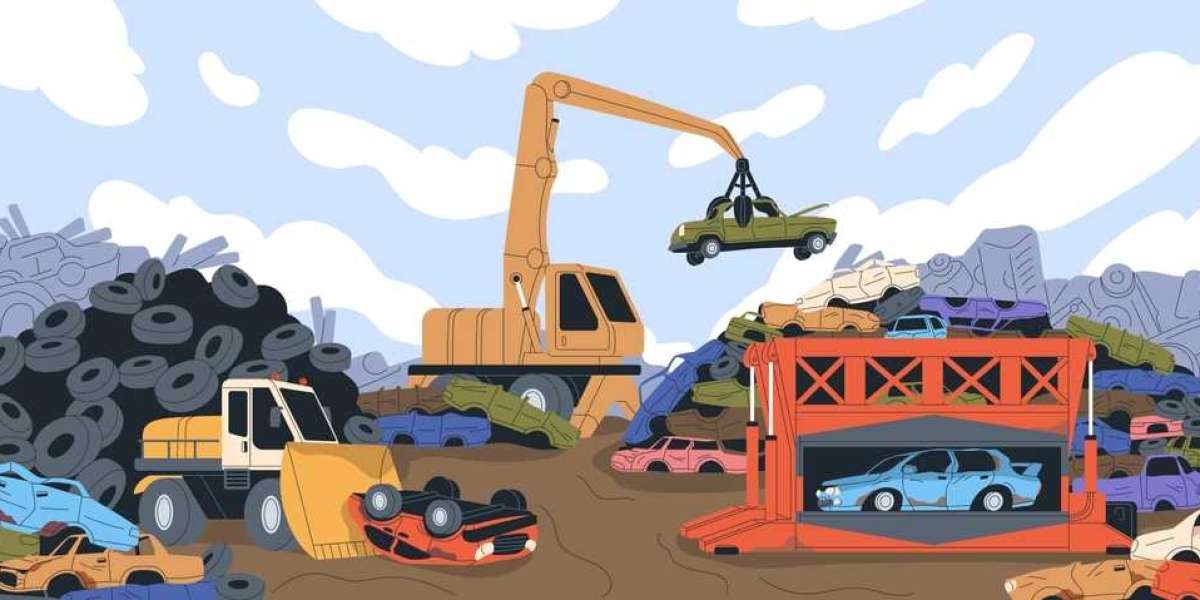

The car recycling industry has always operated quietly and simply in the background of the automotive industry. When a vehicle reaches its end, licensed scrapping companies and recyclers, dismantle it, recover any useful materials and scrap the rest of the used car.
In Australia, especially in NSW (New South Wales), the scrap car industry is becoming more regulated than before. These new laws are not random. These laws are changing, to reduce environmental risks and illegal cars etc.
This change will affect scrap yards, car owners, and the scrap car market creating both challenges and opportunities.
What is the Car Recycling industry?
Car recycling deals with old cars that are reaching their end, no longer drivable, and expensive to repair.
- These junk cars are taken to scrap yards, where they are dismantled, any usable parts are removed.
- Valuable materials like steel, aluminium and copper are recovered.
- These materials and parts are sent to licensed recyclers for further processing.
Why is the industry becoming heavily regulated?
Reduce illegal dumping
The Australian government is also regulating the car recycling industry to reduce the chances of vehicle waste being dumped illegally. Governments are tightening rules around scrapping to ensure traceability. Cash payments and poor record keeping made it difficult to trace where car components came from.
Making it harder for stolen vehicles or parts to enter the recycling system unnoticed. It is also to increase consumer’s confidence that their vehicle was scrapped legally.
Environment risks from junk cars
Cars have harmful fluids, and if they are not taken care of, they can cause damage to the environment. Components like oil, brake fluid, coolant, battery acid and tyres. If unwanted cars are not dismantled properly then these substances can:
- contaminate soil and groundwater
- release toxic fumes
- end up in landfills
Stricter environmental standards aim to make sure that cars are properly drained of any fluids, usable parts and materials are recovered. This is important as Australia wants to reduce landfill wastes and meet its eco-friendly targets.
Industry accountability and fair competition
Unlicensed removal companies and recyclers operate at lower costs because they don't follow the necessary regulatory standards. These illegal companies skip all the safety, environment or even tax requirements. It ends up creating unfair competition for legitimate scrap yards.
Fair rules help:
- Level the playing field
- Professionalise the industry
- Protects consumers from unethical operators
- It also allows authorities to monitor what material enters the scrapping and recycling chain. It ensures that valuable materials do not get lost in informal channels.
Preparing for the EV transition
EVs adaptation introduces new risks, specifically when dealing with high voltage batteries. Lithium-ion batteries need specialised handling, storage, and proper disposal procedures. Governments are regulating recycling facilities early to prevent future safety incidents and control environment damage as EV numbers rise. Any company offering car removal Sydney services need to adapt to these rules or they risk heavy penalties.
What regulations are being introduced?
Mandatory licensing and registration
It is necessary for removal companies that operate to be licensed and registered under the Scrap Metal Industry Act 2016.
Scrap yards and recycling businesses should have the following:
- They should be registered as licensed operators
- Meet the compliance standards set by state governments
- Only operate under the given legal frameworks
Operating without a license is heavily penalised, creating a safer and more reliable industry.
Ban on cash payments
Cash payments for scrap vehicles or metal are not allowed in many regions. Only payments by EFTs (electronic funds transfer) via bank transfer, cheque, credit card, or other payment platforms like PayPal, Osko etc are accepted. This was an effort made by the NSW government to stop illegal trade and theft, to trace payments, making transparent for both sellers and authorities.
Detailed record-keeping
Licensed companies need to keep detailed records of:
- Seller’s ID
- Vehicle details
- Any transaction history
It creates accountability across the supply chain and helps law enforcement track any suspicious activities. Licensed removal companies in NSW are also required to keep the detailed records for up to 6 years.
Environmental and safety standards
Car removal Sydney companies need to adhere to NSW EPA standards for scrapping junk cars.
Scrap yards must follow rules for:
- Safely draining any fluids present
- Harmful material storage
- Specialised battery handling
- Proper waste disposal
If any of these standards are not followed then the scrap yard can face fines and even shutdowns.
How these regulations will reshape the scrap car market
Short-term tightening: Stricter rules will push informal operators out which raises compliance costs, briefly tightening supply. This may cause short-term fluctuations in scrap car prices.
Price stabilisation: As unlicensed operators exit, pricing will become more transparent and less volatile.
Impact on scrap yards: While regulations compliance raises costs, licensed removal companies benefit from the reduced illegal competition, higher trust, and a more stable market.
How car owners Will Be Affected
- ID verification and paperwork will be required
- In hand cash payments may no longer be offered
- Payouts may fluctuate slightly
Benefits:
- Safer, legal disposal of vehicles
- Reduced risk of fraud
- More transparent pricing
Conclusion
The car recycling industry is shifting towards a more regulated circular economy, where junk cars are resourceful rather than waste. Rapid EV adaptation, rising environmental standards and strict regulations makes the scrap car market more transparent. For car owners and removal companies offering cash for cars Perth services, following these changes ensures compliance and maximise returns.