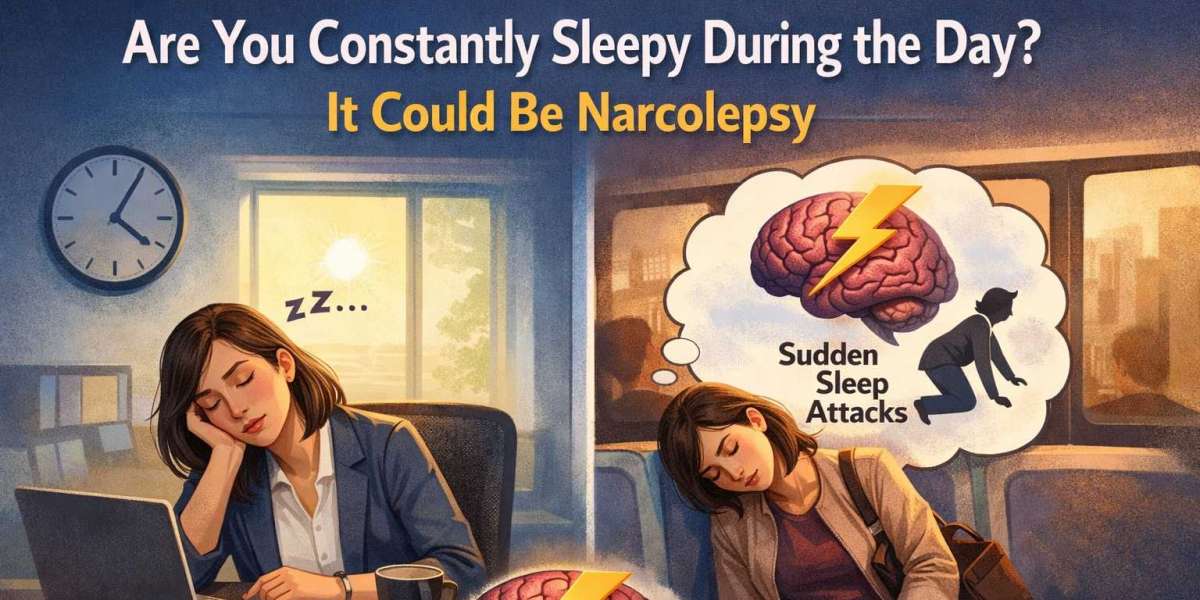

Do you find yourself fighting sleep during meetings, struggling to stay awake while studying, or feeling overwhelmingly tired even after a full night’s rest? While occasional fatigue is common in today’s fast-paced world, constant and uncontrollable daytime sleepiness may signal something more serious. One possible cause is narcolepsy, a chronic neurological sleep disorder that affects the brain’s ability to regulate sleep and wake cycles.
Understanding the signs of narcolepsy is crucial because early diagnosis and proper treatment can significantly improve quality of life. If you are constantly sleepy during the day despite adequate rest, it may be time to look deeper into the root cause.
What Is Narcolepsy?
Narcolepsy is a long-term sleep disorder characterized primarily by excessive daytime sleepiness (EDS). Unlike normal tiredness, the sleepiness associated with narcolepsy is intense and often uncontrollable. People with narcolepsy may fall asleep suddenly during conversations, at work, while eating, or even while driving.
This condition occurs because the brain struggles to regulate sleep-wake cycles properly. In many cases, narcolepsy is linked to a deficiency of hypocretin (also called orexin), a neurotransmitter responsible for maintaining wakefulness and regulating REM sleep.
There are two main types of narcolepsy:
Narcolepsy Type 1: Includes excessive daytime sleepiness and cataplexy (sudden loss of muscle tone).
Narcolepsy Type 2: Involves excessive daytime sleepiness without cataplexy.
Both types can significantly impact daily functioning.
Common Symptoms of Narcolepsy
Narcolepsy symptoms often begin during adolescence or early adulthood, but they can develop at any age. The severity varies from person to person.
1. Excessive Daytime Sleepiness (EDS)
This is the hallmark symptom. Individuals feel persistent drowsiness throughout the day, regardless of how much sleep they get at night. Short naps may temporarily help, but the sleepiness quickly returns.
2. Sudden Sleep Attacks
Sleep attacks can happen without warning. A person may suddenly fall asleep in the middle of an activity, even in inappropriate or dangerous situations.
3. Cataplexy
Cataplexy is a sudden loss of muscle tone triggered by strong emotions such as laughter, surprise, or anger. It may cause mild weakness (like drooping eyelids) or complete body collapse while the person remains conscious.
4. Sleep Paralysis
Some individuals experience temporary inability to move or speak when falling asleep or waking up. This can be frightening but typically lasts only seconds to minutes.
5. Hallucinations
Vivid dream-like experiences may occur during transitions between sleep and wakefulness. These hallucinations can feel extremely real.
6. Disrupted Nighttime Sleep
Although narcolepsy causes daytime sleepiness, nighttime sleep is often fragmented. Frequent awakenings prevent restful sleep, creating a frustrating cycle.
How Is Narcolepsy Different from Normal Fatigue?
Many people assume they are just overworked or stressed. However, narcolepsy-related sleepiness differs from common fatigue in several ways:
It persists even after adequate sleep.
It involves sudden, uncontrollable sleep episodes.
It may include cataplexy or sleep paralysis.
It interferes significantly with work, education, and relationships.
If you are constantly sleepy every day for months and struggle to stay awake in routine situations, it is important not to ignore these signs.
What Causes Narcolepsy?
The exact cause of narcolepsy is not always clear. However, research suggests several contributing factors:
1. Hypocretin Deficiency
In Type 1 narcolepsy, the brain produces low levels of hypocretin, a chemical that regulates wakefulness and REM sleep.
2. Autoimmune Response
Some evidence suggests that narcolepsy may result from the immune system mistakenly attacking cells that produce hypocretin.
3. Genetics
Although narcolepsy is not strongly hereditary, certain genetic markers may increase risk.
4. Environmental Triggers
Infections, stress, or major life changes may trigger symptoms in genetically predisposed individuals.
How Narcolepsy Affects Daily Life
Living with constant sleepiness can deeply affect multiple aspects of life:
Work and School
Difficulty concentrating, missed deadlines, and unintentional sleep episodes can impact academic and professional performance.
Relationships
Friends and family may misunderstand the condition, interpreting sleepiness as laziness or lack of interest.
Emotional Health
Narcolepsy can lead to anxiety, frustration, and depression due to its ongoing challenges.
Safety Concerns
Driving or operating machinery can be dangerous if sudden sleep attacks occur.
Without proper treatment, narcolepsy can significantly reduce confidence and independence.
When Should You See a Doctor?
You should consider consulting a healthcare provider if:
You feel excessive daytime sleepiness daily for several weeks or months.
You fall asleep suddenly without control.
You experience muscle weakness triggered by emotions.
Your symptoms interfere with work, school, or safety.
Diagnosis typically involves a sleep study (polysomnography) followed by a multiple sleep latency test (MSLT) to measure how quickly you fall asleep and enter REM sleep.
Early diagnosis can prevent years of misunderstanding and ineffective treatments.
Treatment Options for Narcolepsy
Although narcolepsy has no cure, several treatment options help manage symptoms effectively.
1. Wakefulness-Promoting Medications
Medications such as modafinil or armodafinil are commonly prescribed to reduce excessive daytime sleepiness. These medications promote alertness without the intense stimulation associated with traditional amphetamines.
2. Stimulants
In some cases, stimulant medications may be used to maintain wakefulness.
3. Medications for Cataplexy
Certain antidepressants or other medications may help control cataplexy and REM-related symptoms.
4. Lifestyle Modifications
Healthy daily habits significantly enhance treatment outcomes.
Lifestyle Strategies to Improve Alertness
Managing narcolepsy involves more than medication. Practical lifestyle adjustments can make a major difference.
Maintain a Consistent Sleep Schedule
Go to bed and wake up at the same time daily, even on weekends.
Take Planned Short Naps
Scheduled 15–20 minute naps can temporarily restore alertness.
Exercise Regularly
Moderate physical activity boosts energy and improves nighttime sleep quality.
Eat Balanced Meals
Avoid heavy, high-carbohydrate meals during the day, as they can increase sleepiness.
Practice Good Sleep Hygiene
Keep your bedroom cool and quiet.
Avoid caffeine late in the day.
Limit screen time before bedtime.
These habits support better nighttime rest and daytime functioning.
Living Well with Narcolepsy
Receiving a narcolepsy diagnosis can feel overwhelming at first. However, many individuals lead productive, fulfilling lives with proper treatment and support.
Open communication with employers, teachers, and loved ones helps reduce stigma and misunderstandings. Support groups and online communities can provide encouragement and practical advice.
Understanding your condition empowers you to manage it proactively rather than letting it control your life.
Could Your Sleepiness Be Narcolepsy?
If you are constantly sleepy during the day despite adequate rest, do not ignore the possibility of an underlying sleep disorder. Persistent, uncontrollable sleepiness is not normal and should not be dismissed as laziness or simple exhaustion.
Narcolepsy is often underdiagnosed, with some individuals waiting years before receiving accurate treatment. Recognizing the warning signs early can help you seek medical evaluation and begin appropriate management.
Conclusion
Constant daytime sleepiness can severely disrupt your quality of life. While stress, poor sleep habits, or medical conditions can cause fatigue, narcolepsy is a serious neurological disorder that requires attention and care.
If you frequently struggle to stay awake, experience sudden sleep attacks, or notice symptoms like cataplexy or sleep paralysis, consult a healthcare professional for proper evaluation. With modern treatments and lifestyle adjustments, people with narcolepsy can significantly improve alertness, productivity, and overall well-being.