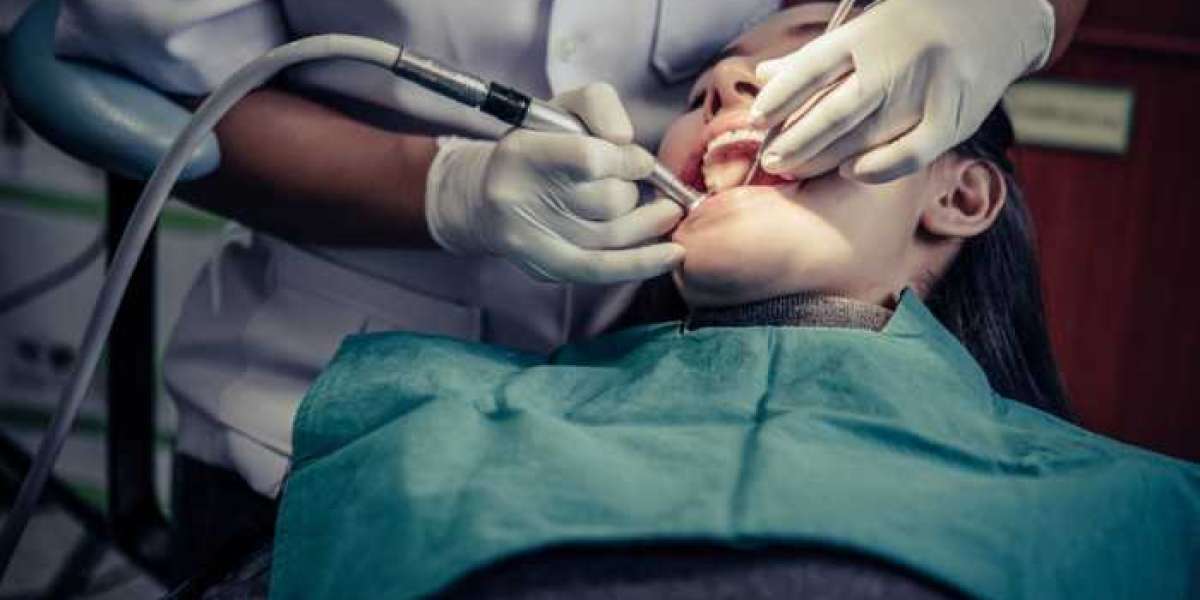

Undergoing a tooth removal can feel overwhelming, especially if you are unsure about what comes next. While the extraction itself is typically quick and routine, recovery plays a major role in protecting your oral health. Following proper aftercare instructions is the key to ensuring a smooth tooth extraction healing process and preventing unnecessary discomfort or complications.
The body has a natural ability to heal, but your actions during the first few days and weeks after the procedure can significantly influence how well and how quickly recovery happens. This comprehensive guide explains the most important aftercare practices to support a healthy tooth extraction healing process from day one to full recovery.
Understanding the Tooth Extraction Healing Process
Before discussing aftercare, it helps to understand what happens inside your mouth after a tooth is removed.
Immediately after extraction:
A blood clot forms in the empty socket.
The clot protects exposed bone and nerves.
White blood cells begin cleaning the area.
New tissue starts forming under the clot.
Over time:
Gum tissue closes over the socket.
Bone gradually fills the space.
The area becomes fully healed.
This natural sequence is the foundation of the tooth extraction healing process. Protecting the blood clot and minimizing irritation are the most important priorities during recovery.
Protect the Blood Clot at All Costs
The blood clot that forms immediately after extraction is essential. If it becomes dislodged too early, it can lead to a painful condition called dry socket.
Avoid Suction Motions
For at least the first 48–72 hours:
Do not drink through a straw.
Avoid forceful spitting.
Refrain from smoking or vaping.
Avoid vigorous rinsing.
Suction can pull the clot out of place and delay the tooth extraction healing process.
Bite on Gauze as Directed
After the procedure, your dentist will place gauze over the site. Bite gently but firmly for about 30–45 minutes to help the clot stabilize. If bleeding continues, replace the gauze as instructed.
Manage Bleeding Properly
Mild bleeding or oozing during the first 24 hours is normal. However, heavy bleeding is not.
What to Do
Keep your head elevated.
Rest quietly.
Replace gauze if needed.
Avoid lying completely flat.
Small traces of blood in saliva may appear for a day, which is typically part of the tooth extraction healing process.
Reduce Swelling and Inflammation
Swelling often peaks between 48 and 72 hours after extraction.
Use Cold Compresses
Apply an ice pack for 15–20 minutes at a time.
Take short breaks between applications.
Use cold therapy during the first 24–48 hours.
Cold compresses help control inflammation and discomfort while supporting early healing.
Switch to Warm Compresses Later
After 48 hours, warm compresses may help relax jaw muscles and improve circulation, which assists the tooth extraction healing process.
Take Medications as Prescribed
Pain management is an important part of recovery.
Your dentist may recommend:
Over-the-counter pain relievers
Prescription pain medication
Antibiotics (if necessary)
Take all medications exactly as directed. Avoid exceeding recommended dosages, and never skip antibiotics if prescribed.
Proper medication use supports comfort and reduces the risk of infection during the tooth extraction healing process.
Maintain Gentle Oral Hygiene
Keeping your mouth clean is essential, but it must be done carefully.
Brushing
Continue brushing twice daily.
Avoid direct contact with the extraction site for several days.
Use a soft-bristled toothbrush.
Rinsing
After 24 hours:
Rinse gently with warm saltwater.
Do not swish aggressively.
Let the water fall out of your mouth instead of spitting forcefully.
Gentle cleaning reduces bacteria without disrupting healing tissues.
Follow a Soft Food Diet
Diet plays a significant role in recovery. Eating the wrong foods can irritate the site or dislodge the clot.
Best Foods During the First 48 Hours
Yogurt
Applesauce
Mashed potatoes
Smooth soups
Pudding
Gradually Add Soft Foods
After a few days, you may introduce:
Scrambled eggs
Oatmeal
Soft pasta
Steamed vegetables
Avoid:
Hard or crunchy foods
Sticky candy
Spicy meals
Extremely hot foods
Chew on the opposite side of your mouth whenever possible to protect the extraction site.
Stay Hydrated
Hydration supports overall healing. Drink plenty of water, but remember:
Do not use straws.
Avoid carbonated drinks initially.
Limit sugary beverages.
Water keeps tissues moist and supports the body’s natural repair mechanisms during the tooth extraction healing process.
Avoid Smoking and Alcohol
Smoking is one of the leading causes of delayed healing and dry socket.
Nicotine:
Restricts blood flow
Slows tissue repair
Increases infection risk
Alcohol can interfere with medications and irritate the extraction site. Avoid both substances for at least several days — longer if recommended by your dentist.
Avoiding these habits dramatically improves the tooth extraction healing process.
Limit Physical Activity
Strenuous activity can increase blood pressure and cause bleeding.
For the first 24–48 hours:
Avoid heavy lifting.
Skip intense workouts.
Rest as much as possible.
Gradually return to normal activities once swelling decreases and bleeding stops.
Monitor for Signs of Dry Socket
Dry socket occurs when the blood clot becomes dislodged prematurely.
Warning Signs
Severe throbbing pain 2–4 days after extraction
Pain radiating to the ear or jaw
Bad taste or odor
Visible bone in the socket
Dry socket interrupts the tooth extraction healing process and requires professional treatment. If you notice these symptoms, contact your dentist immediately.
Watch for Infection Symptoms
While uncommon, infection can occur.
Seek Dental Care If You Notice:
Persistent swelling
Fever
Pus discharge
Severe pain that worsens over time
Early treatment ensures the tooth extraction healing process stays on track.
Understand the Healing Timeline
Knowing what to expect helps reduce anxiety.
First 24 Hours
Blood clot forms.
Mild bleeding and swelling begin.
Days 2–3
Swelling peaks.
Inflammation is at its highest.
Days 4–7
Soft tissue begins rebuilding.
Pain decreases.
Week 2
Gums start closing over the socket.
Weeks 3–4
Bone regeneration continues.
1–3 Months
Full bone remodeling completes.
Each stage is a natural progression of the tooth extraction healing process.
Support Healing with Healthy Habits
Your overall health affects recovery speed.
Eat Nutrient-Rich Foods
Include:
Protein for tissue repair
Vitamin C for collagen production
Calcium for bone health
Zinc for immune support
Balanced nutrition strengthens your body’s ability to heal.
Get Enough Rest
Sleep promotes immune function and cellular repair.
Manage Stress
Stress can slow healing. Gentle relaxation techniques may help your body recover more efficiently.
When Can You Resume Normal Eating?
Most people can begin eating more solid foods after about one week, depending on comfort levels. However, deeper healing continues beneath the surface.
Even if the area looks healed, bone regeneration is still part of the tooth extraction healing process for several weeks.
Long-Term Oral Care After Healing
Once healing is complete, discuss tooth replacement options if necessary. Leaving a gap for too long may lead to:
Shifting teeth
Bite changes
Bone loss
Common replacement solutions include dental implants, bridges, or partial dentures.
Maintaining long-term oral health ensures your tooth extraction healing process leads to a stable, healthy smile.
Final Thoughts
A smooth and successful tooth extraction healing process depends on careful aftercare, patience, and awareness. Protecting the blood clot, maintaining gentle oral hygiene, following dietary guidelines, and avoiding harmful habits are all essential steps.
While mild discomfort and swelling are normal, steady improvement should occur within the first week. Most patients recover comfortably when they follow proper instructions.
By understanding each stage of recovery and taking proactive steps, you can minimize complications, reduce discomfort, and support your body’s natural healing process. With the right care, your tooth extraction healing process will progress smoothly, helping you return to daily life with confidence and comfort.