
In the world of retail fulfillment, the "last mile" isn’t just the delivery truck; it’s the three seconds a customer spends looking at a shelf or unboxing a package. After years of managing supply chains for high-volume consumer goods, I’ve seen countless brands invest heavily in the chemical formula of their shoe polish, only to have the entire product perception collapse because of a flimsy, poorly engineered box.
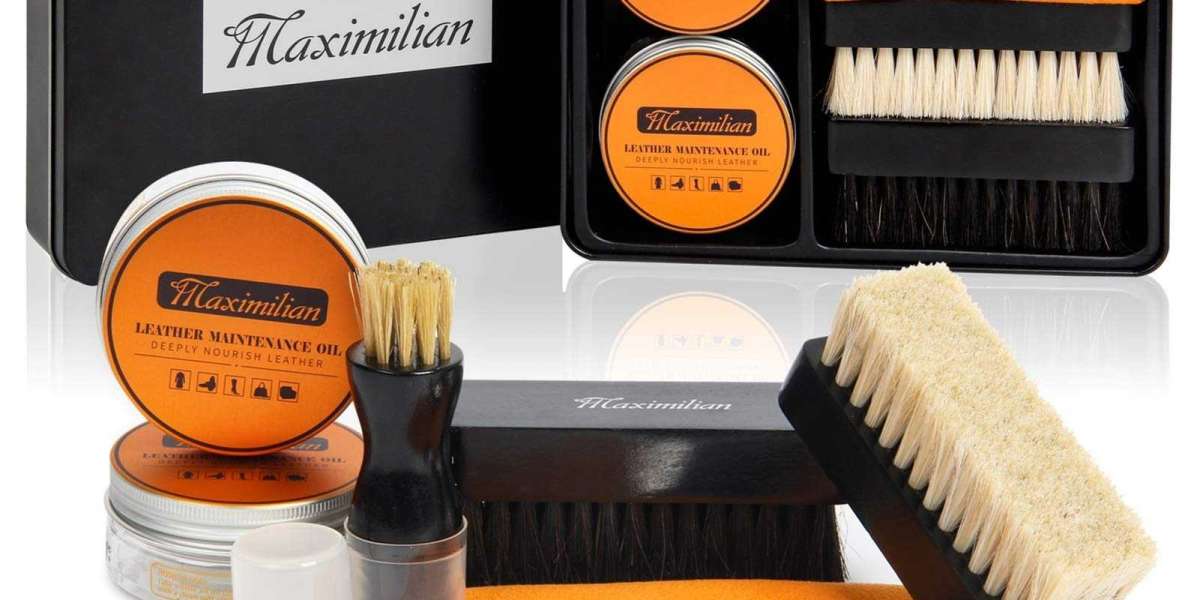
When we talk about Printed Shoe Polish Boxes, we aren't just talking about a cardboard cube with a logo. We are talking about a structural barrier that must survive the rigors of humidity, stacking pressure, and the oily nature of the product itself.
The Engineering Behind the Aesthetic
In my experience, the biggest disconnect between marketing teams and fulfillment reality is material selection. Most people think "it’s just paper," but in the shoe care industry, your box is a functional component.
Shoe polish, specifically the tin-based waxes and bottled creams is heavy for its size. If you use a standard 12pt or 14pt cardstock without considering the "burst strength," you’re asking for trouble. I’ve walked into distribution centers where bottom flaps have failed under the weight of palletized stock, leading to thousands of dollars in lost inventory. For a professional-grade presentation, you should be looking at high-density SBS (Solid Bleached Sulfate) or even a lightweight E-flute corrugated material if you’re shipping premium kits.
SBS provides that smooth, premium canvas for printing, but more importantly, it offers the moisture resistance necessary to prevent the box from softening if it’s stored in a damp warehouse or a laundry room.
Why "Presentation" is a Technical Metric
Product presentation is often dismissed as a "soft" metric, but in a fulfillment center, it’s a technical one. A box that is "engineered for presentation" means it maintains its crisp edges despite being handled by multiple touchpoints in the supply chain.
When designing Printed Shoe Polish Boxes, I always advocate for Aqueous (AQ) or UV coatings. It’s not just about the shine; it’s about scuff resistance. Imagine a matte black box, it looks stunning in a digital mockup. However, without a scratch-resistant laminate, that box arrives at the customer’s door covered in white "burnishing" marks from rubbing against the shipping carton. In my opinion, a matte finish without a protective coating is a recipe for a high return rate.
Common Mistakes: The "Over-Designed" Trap
The most frequent mistake I see brands make, especially those moving from boutique to mass-market is over-complicating the opening mechanism.
I once consulted for a brand that insisted on a complex, multi-layered "origami" fold for their shoe cream boxes. It looked incredible. But in the fulfillment house, the manual assembly time tripled. On the consumer side, the box was so difficult to open that people ended up tearing the lid off.
A "presentation" box should be intuitive. If a customer has to destroy the packaging to get to the polish, you’ve failed at the "unboxing experience." The goal is a clean, structural tuck-end or a sleeve-and-tray design that feels deliberate and high-end but remains functional.
The Role of Typography and Legibility
From a consultant’s perspective, the "printed" part of your box is your silent salesman. Shoe care is a niche market where instructions matter. If your font is too small or the contrast is poor because you chose a metallic ink on a dark background, you’re alienating older demographics who are often the primary buyers of traditional leather care products.
Use the real estate on the side panels for "cross-selling" (e.g., "Best used with our horsehair brush"). This isn't just marketing; it’s a way to fill the visual space with high-value information that builds trust.
Supply Chain Realities: Storage and Sustainability
We can't ignore the shift toward sustainable materials. However, I’ve seen brands switch to 100% recycled Kraft paper without testing how the oils in the polish react to it. Some recycled fibers are more porous; if a tin leaks even slightly, the grease spreads through a Kraft box like a wildfire, ruining the presentation.
If you go the eco-friendly route, ensure you’re using soy-based inks and a grease-resistant barrier coating. It’s better to have a partially recycled box that stays clean than a fully compostable one that looks like a grease stain after two weeks on a shelf.
The Verdict on Value
In my eight years in the industry, I’ve learned that the box is the physical handshake between the brand and the buyer. If the box feels substantial, the customer assumes the polish inside is superior. If the box is crushed, thin, or poorly printed, they’ll doubt the quality of the wax before they even open the tin.
Stop viewing packaging as a "cost of goods" and start viewing it as insurance for your brand reputation. High-quality Printed Shoe Polish Boxes are an investment in decreasing returns and increasing the "perceived value" of what is essentially a humble tin of wax.
Conclusion
Don't just look at the 2D flat proof from your printer. Request a "CAD sample" a plain, unprinted version of the box in the actual material you intend to use. Put your product inside it. Drop it from three feet. Stack ten of them on top of each other for a week.
If the structure holds and the presentation remains intact, only then should you worry about the colors. Engineering comes first; the art follows.
Practical design meets powerful branding, start today at: https://ibexpackaging.com/custom-shoe-polish-packaging-boxes/