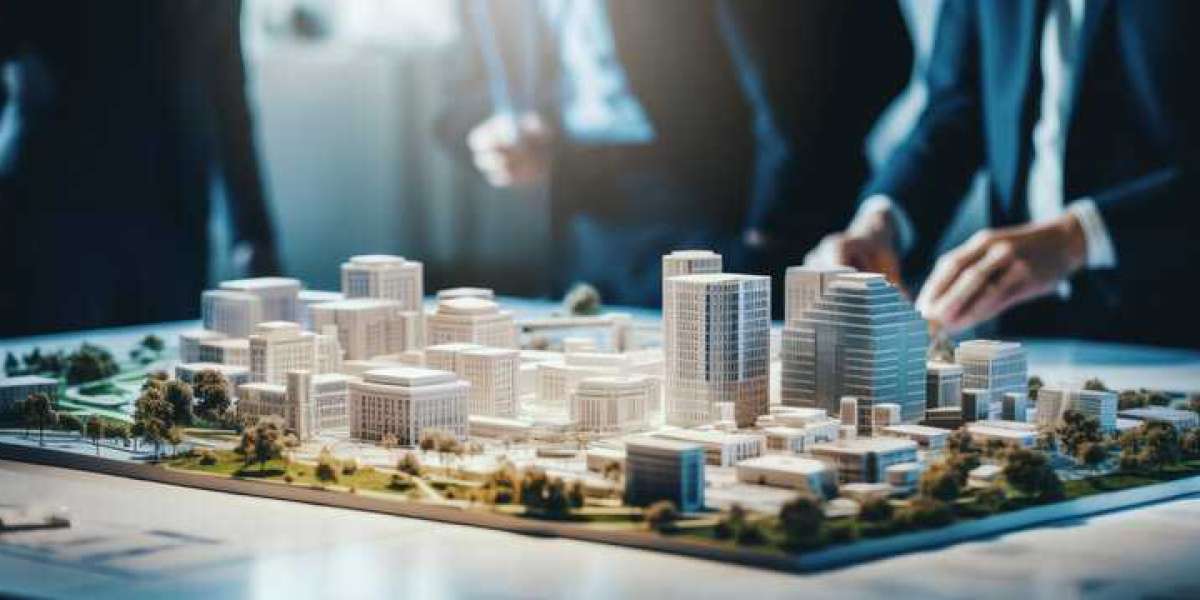

Washington DC is a city where history meets constant change. One of the strongest forces behind that change is commercial development Washington DC, which influences how neighborhoods grow, how people live, and how local economies thrive. From new office buildings to mixed use complexes, commercial projects affect everything from property values to daily lifestyle.
If you have ever watched a quiet street turn into a lively business hub, you have already seen how strategic construction shapes communities in real time.
Economic Growth and Job Creation
Commercial development Washington DC plays a major role in creating jobs and strengthening the local economy. When a new office tower, retail plaza, or corporate campus opens, it brings a wide range of opportunities for residents. These include construction jobs during the building phase and long term roles in retail, hospitality, technology, and professional services.
Local businesses benefit too. Coffee shops, restaurants, and service providers often appear near commercial hubs to serve workers and visitors. This creates a ripple effect where small enterprises grow alongside large companies.
Tax revenue also increases with commercial property investment. That revenue supports public services like schools, transportation, and parks, which further improves neighborhood quality. Over time, the area becomes more attractive to residents and investors alike.
Urban Design and Community Identity
Shaping Architectural Character
Commercial development Washington DC also defines how neighborhoods look and feel. Modern buildings often incorporate green spaces, public art, and pedestrian friendly design, which can transform previously neglected areas into vibrant urban centers.
Architects and planners often balance contemporary design with historic preservation. Washington DC has strict zoning and design guidelines to protect its iconic skyline and heritage. As a result, many commercial projects blend modern materials with classic styles, giving neighborhoods a unique identity.
Creating Gathering Spaces
Many commercial projects include plazas, cafes, and shared courtyards. These spaces encourage social interaction and foster a sense of community. For example, a mixed use complex might host outdoor events, farmers markets, or seasonal festivals, bringing residents together.
This kind of thoughtful design makes commercial hubs more than just workplaces. They become community anchors where people meet, relax, and connect.
Property Values and Real Estate Trends
Commercial development Washington DC often drives changes in property values. When a major commercial project enters a neighborhood, demand for nearby housing typically increases. Professionals prefer living close to their workplace, which raises home prices and rental rates.
This can be positive for homeowners who see their property values rise. However, it may also lead to concerns about affordability for long term residents. Developers and city planners increasingly focus on inclusive growth strategies, such as affordable housing requirements and community benefit agreements.
Real estate investors closely monitor commercial projects because they signal future growth. A new business district often attracts residential developments, entertainment venues, and lifestyle amenities. Over time, entire neighborhoods can shift from industrial or low density areas into thriving urban communities.
Infrastructure and Transportation Improvements
Better Connectivity
Commercial development Washington DC often triggers upgrades to infrastructure. New business districts require improved roads, public transit access, and pedestrian pathways. Metro stations, bus routes, and bike lanes are frequently expanded to support increased foot traffic.
These improvements benefit everyone, not just office workers. Residents enjoy shorter commutes, safer streets, and better access to city amenities.
Smart City Features
Many new commercial projects integrate smart technology. This includes energy efficient systems, digital signage, and data driven traffic management. These innovations reduce congestion and improve sustainability, making neighborhoods more livable.
Infrastructure upgrades also encourage tourism and business travel, further strengthening the local economy.
Environmental and Sustainability Impacts
Commercial development Washington DC increasingly emphasizes sustainability. Developers adopt green building standards such as LEED certification to reduce environmental impact. Features like rooftop gardens, solar panels, and efficient water systems are now common in modern commercial structures.
Green spaces integrated into commercial projects improve air quality and provide urban habitats for wildlife. They also offer residents and workers places to relax, which enhances mental well being.
Sustainable design also reduces long term operating costs, which attracts tenants and investors. As Washington DC continues to prioritize climate goals, eco friendly commercial projects will play a key role in shaping future neighborhoods.
Social Dynamics and Lifestyle Changes
Shifts in Demographics
Commercial development Washington DC often attracts a younger and more diverse population. Professionals, entrepreneurs, and students move closer to job centers, which changes the demographic profile of neighborhoods.
This diversity enriches local culture. New restaurants, cultural venues, and community events reflect the evolving population. Long time residents often find new opportunities to engage with different cultures and lifestyles.
Everyday Convenience
With commercial hubs comes convenience. Grocery stores, gyms, coworking spaces, and entertainment venues often cluster around business districts. Residents can walk to work, grab dinner nearby, and enjoy nightlife without traveling far.
This lifestyle shift encourages urban living and reduces reliance on cars. Many people choose Washington DC neighborhoods specifically for their walkability and access to amenities created by commercial projects.
Frequently Asked Questions
How does commercial development Washington DC affect local businesses?
Commercial projects attract more customers and increase foot traffic, which helps local businesses grow. However, competition can also increase, so small businesses must adapt to changing market dynamics.
Is commercial development Washington DC regulated by the city?
Yes, Washington DC has strict zoning laws and review processes. Projects must comply with design guidelines, environmental standards, and community input requirements.
Does commercial development Washington DC increase housing costs?
It often raises property values and rent due to increased demand. Some policies aim to balance growth with affordability through inclusionary zoning and housing programs.
What industries drive commercial development Washington DC?
Key industries include government services, technology, finance, law firms, hospitality, and tourism. These sectors drive demand for office, retail, and mixed use spaces.
How can residents influence commercial development Washington DC projects?
Residents can attend community meetings, submit feedback during planning reviews, and engage with local advisory boards. Community input can shape project design and public amenities.
Conclusion and Call to Action
Commercial development Washington DC continues to reshape neighborhoods in powerful ways. It drives economic growth, improves infrastructure, influences real estate trends, and changes how people experience urban life. When thoughtfully planned, commercial projects can strengthen communities, enhance sustainability, and create vibrant spaces where people live, work, and connect.
If you are considering a commercial project or want to understand how development can elevate your property or community, consult with experienced professionals. OAK Builders and Constructions can help turn strategic ideas into impactful structures that contribute positively to Washington DC neighborhoods.