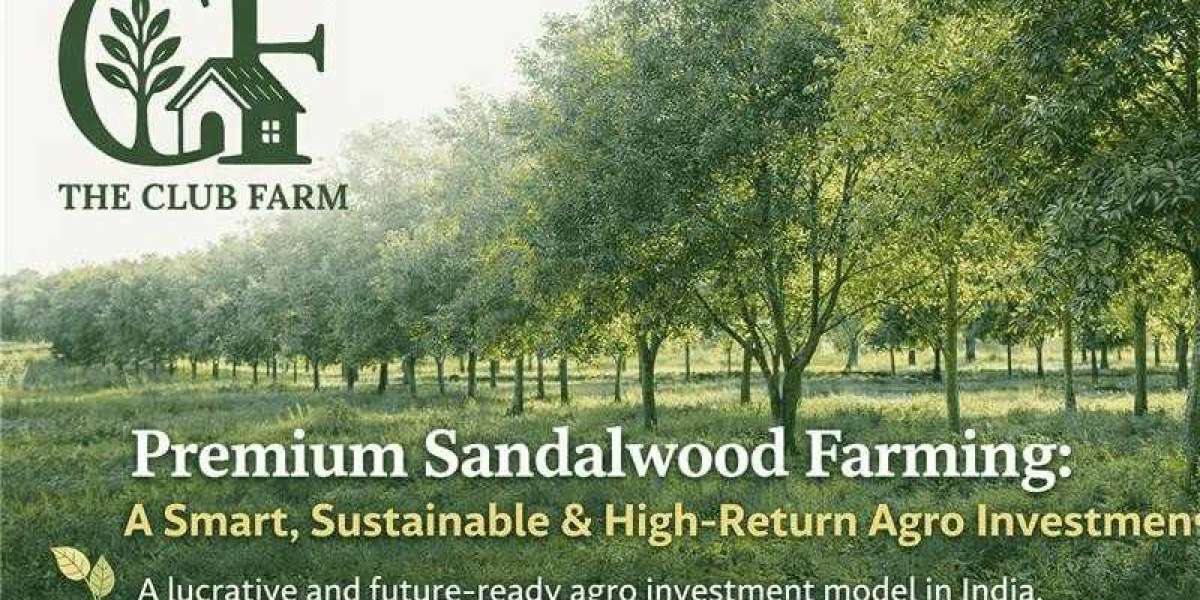

Premium sandalwood farming is rapidly gaining attention as one of the most lucrative and future-ready agricultural investment options in India. Often referred to as “green gold,” sandalwood is prized for its fragrance, medicinal properties, and limited availability. With rising global demand and controlled supply, high-quality sandalwood cultivation offers a unique blend of long-term wealth creation and environmental sustainability.
Unlike seasonal crops, sandalwood is a high-value timber farming model that rewards patience and professional management.
What Is Premium Sandalwood Farming?
Premium sandalwood farming involves the scientific cultivation of high-quality sandalwood trees using advanced agroforestry techniques, quality saplings, and sustainable land management practices. The focus is not just on growing trees but on producing elite-grade sandalwood with high oil content and superior heartwood quality.
This form of commercial sandalwood farming is ideal for investors, landowners, and agri-entrepreneurs who want stable, long-term returns rather than short-term gains.
Why Is Sandalwood Considered a High-Value Crop?
Sandalwood has been valued for centuries due to its
- Use in Ayurveda and traditional medicine
- Demand in perfumes, cosmetics, and essential oils
- Religious and spiritual significance
- Strong domestic and export market
Because natural sandalwood resources are declining, the sandalwood market value in India continues to increase. This scarcity-driven demand makes premium sandalwood cultivation a strong inflation-resistant asset.
Climate, Soil Growing Conditions
For a successful premium sandalwood plantation, the right natural conditions are crucial:
- Warm tropical to semi-tropical climate
- Well-drained red, sandy loam, or laterite soil
- Moderate rainfall
- Suitable host plants for nutrient support
Understanding the sandalwood tree growth cycle is important, as the tree is semi-parasitic and depends on companion plants for optimal growth. On average, sandalwood trees mature in 12 to 15 years, depending on soil and management quality.
Read More: https://theclubfarm.com/media/blogs/premium-sandalwood-farming