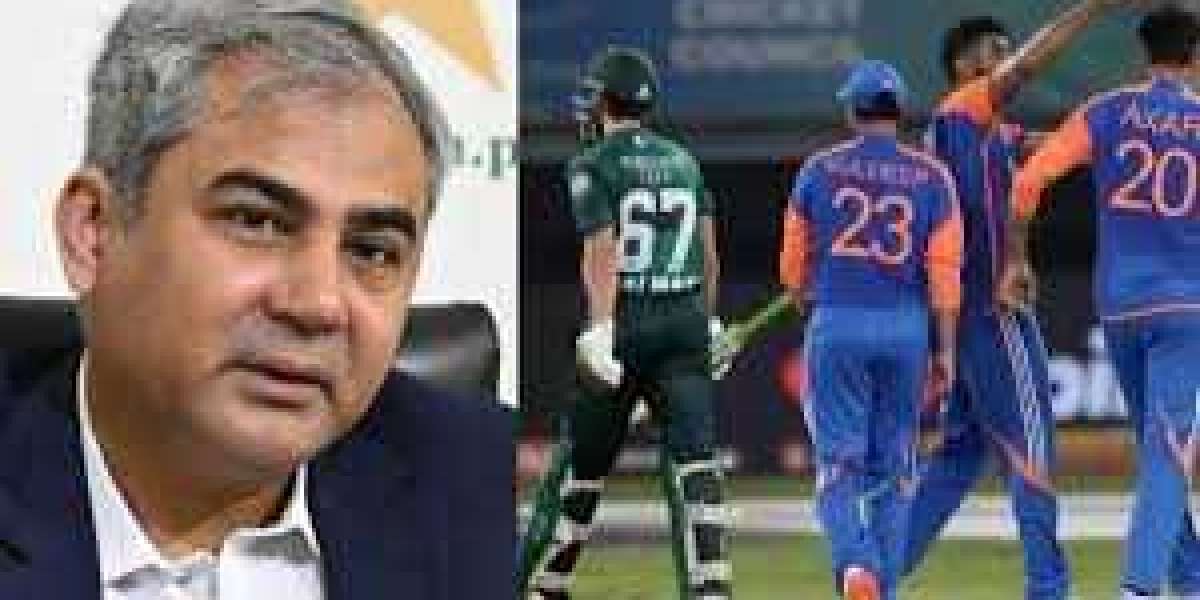

Cricket fans breathed a collective sigh of relief this week as the most anticipated fixture of the 2026 T20 World Cup—India vs. Pakistan—was finally confirmed for February 15th in Colombo. However, the "peace treaty" between the boards hasn’t stopped the post-mortem of the chaos that preceded it.
Former Pakistan captain Mohammad Hafeez has pulled no punches, labeling the entire saga a "total failure of the ICC" and its administration.
The Drama That Almost Cost $174 Million
For weeks, the cricketing world was held hostage by a diplomatic standoff. Following a contentious 2025 season—marked by India’s "no-handshake" policy during the Asia Cup and Pakistan’s subsequent threats to boycott World Cup fixtures in India—the game seemed destined for a forfeit.
The stakes were astronomical. King Exchange 9 Internal estimates suggested that a Pakistan boycott of the marquee clash could have cost the ICC and broadcasters roughly $174 million in lost revenue, gate money, and sponsorships.
"Who Was Wrong?": Hafeez’s Blistering Critique
Speaking on the Game on Hai show, Hafeez questioned the lack of accountability within the ICC's governing body. His argument is simple: if the ICC had to "bargain" or offer concessions to get the match back on track, someone, somewhere, failed to do their job.
"This is a total failure of the ICC and their administration. This must be accepted first... The character who played the wrong role needs to be exposed. If they remain hidden, we might see such cases again." — Mohammad Hafeez
Hafeez’s frustration stems from the "backdoor diplomacy" used to resolve the crisis. To secure Pakistan's participation, the ICC reportedly had to negotiate a complex arrangement that includes Bangladesh hosting an ICC event prior to 2031 and potentially extending the "hybrid model" for future tournaments.
The "No Handshake" Trigger
The roots of this specific fallout trace back to the 2025 Asia Cup, where the Indian team adopted a "no-handshake" policy with Pakistani players as a sign of protest following security concerns and political tensions. Hafeez pointed to this as the spark that led to the Pakistan government’s initial directive to boycott the February 15th clash.
For Hafeez, these gestures—and the administrative inability to manage them—tarnish the "integrity and spirit" of the sport. He argued that if players want to be politicians, they should "go to Parliament," and that the ground should be reserved for those who want to play with total sportsmanship.
A Game Saved, A Reputation Damaged
While the match is back on, the "Hybrid Model" is now the new normal. India plays its matches in neutral territories (like the UAE or Sri Lanka) when Pakistan is the host, and vice-versa.
Hafeez’s parting shot serves as a warning: while the ICC may have saved its $174 million for now, the administrative "failure" to keep politics out of the game has left a roadmap for future boycotts and disruptions.
What do you think? Is Hafeez right to blame the ICC administration, or is this simply the reality of modern international cricket? Let us know in the comments.