
As gardening continues to intersect with lifestyle design, planting containers are expected to perform beyond basic plant support. The Painted Flower Pot and Plastic Tree Pot reflect this shift by combining usability with visual adaptability. Their popularity is not driven by novelty, but by how well they respond to everyday planting needs across residential and commercial settings.
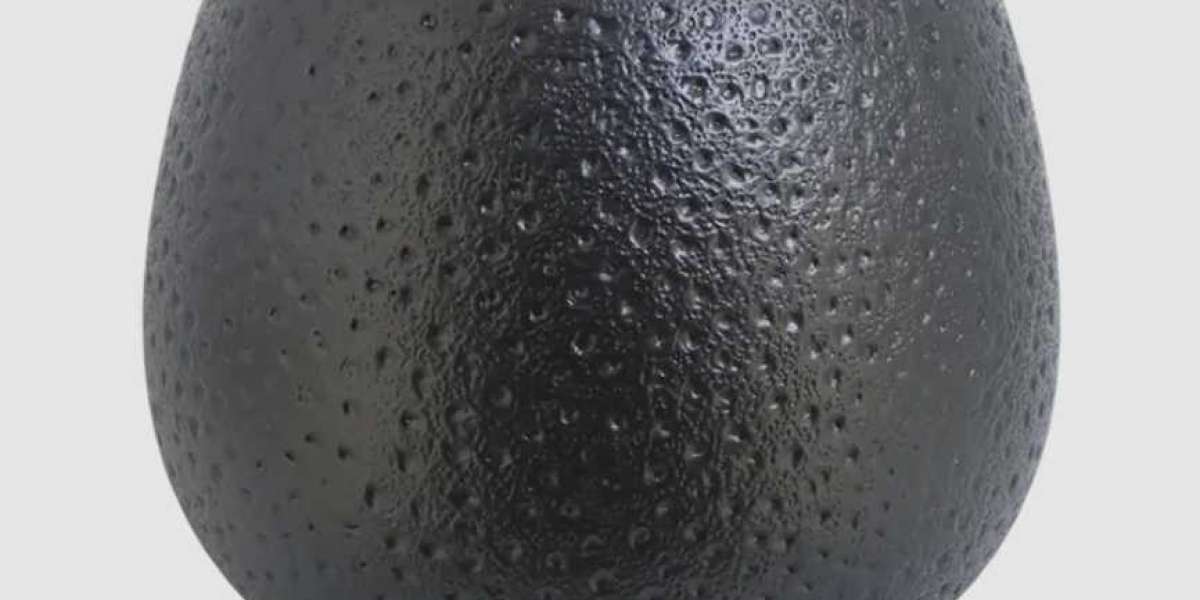
The Painted Flower Pot often appeals to users who want visual harmony between plants and surroundings. Painted surfaces can soften the industrial feel of plastic while maintaining lightweight characteristics. This makes them suitable for apartments, cafés, and retail interiors where décor consistency matters. Unlike heavy clay or stone containers, painted plastic pots are easier to reposition, allowing users to refresh layouts without extra labor.
Plastic Tree Pot designs focus more on plant stability and long-term growth accommodation. Trees and larger plants require sufficient root space and balanced weight distribution. Plastic materials allow these pots to be engineered with reinforced bases and evenly distributed wall thickness, helping prevent tilting or cracking during seasonal temperature changes. This structural reliability supports young trees during early growth stages.
Weather resistance is another shared advantage. Both Painted Flower Pot and Plastic Tree Pot products are designed to tolerate outdoor exposure under normal conditions. Paint coatings are typically formulated to reduce fading and surface peeling, while plastic bases resist moisture absorption. This combination helps maintain consistent performance in gardens, terraces, and semi-open landscapes.
Drainage efficiency plays a critical role in plant care, especially in outdoor environments. These pots usually integrate drainage systems that guide excess water away from roots. By managing moisture levels, they help plants adapt more easily to rainfall variations. For users managing multiple plants, standardized drainage reduces the need for frequent monitoring.
Current market trends also influence how these products are used. Urban gardening, balcony planting, and temporary green installations have increased demand for lightweight containers. Plastic tree pots are often selected for pop-up landscaping projects, while painted flower pots are favored in visual merchandising. Their flexibility allows them to move between functional and decorative roles without modification.
Maintenance requirements remain relatively low. Smooth plastic surfaces are easy to clean, and painted finishes can be refreshed visually without affecting structural integrity. This ease of care suits users who want attractive displays without committing to time-consuming upkeep routines.
Supply chain considerations also matter. Manufacturers can produce Painted Flower Pot and Plastic Tree Pot items in consistent batches, supporting OEM and ODM customization. Color selection, size variation, and branding elements can be adjusted to meet market preferences without altering core functionality. This adaptability supports wholesalers and retailers operating in different regions.
Another factor is safety and handling. Plastic pots generally have rounded edges and uniform surfaces, reducing the risk of breakage during transport or use. Compared with fragile materials, they are less likely to cause damage if accidentally dropped. This makes them suitable for environments with frequent movement, such as garden centers or exhibition setups.