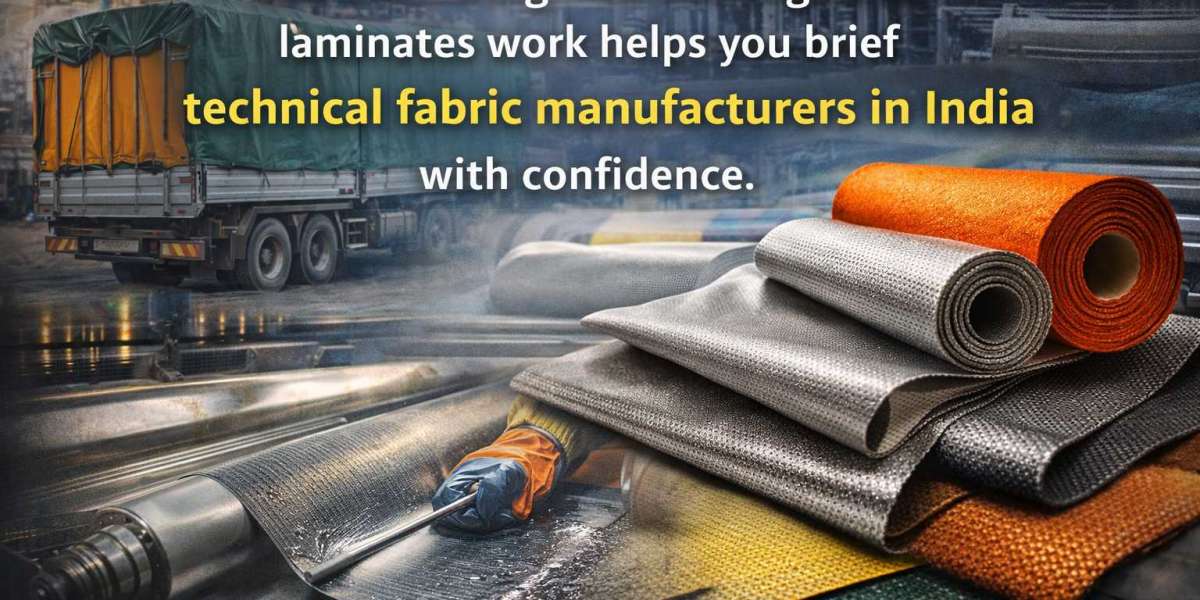

If you’ve spent any time around factories, construction sites, or transport hubs, you already know one thing—nothing survives long without the right protection. Metal rusts. Cargo tears. Buildings breathe, crack, and shift. Workers face heat, sparks, chemicals, and weather without warning. And quietly supporting all of this, like an unsung backbone, is the world of Industrial Technical Textile—a category of engineered fabrics that rarely get applause but shoulder more responsibility than most people realize.
In 2026, these textiles aren’t just evolving; they’re becoming essential. The world’s industries are more demanding, more ambitious, and more unpredictable than ever. And the materials we rely on must be strong enough, smart enough, and durable enough to keep up.
The New Era of High-Performance Industrial Textiles
Industrial sectors have always depended on tough fabrics. But the rules have changed, and innovation is no longer optional.
Growing Demand for High-Durability Industrial Materials
Factories and field environments today face harsher conditions than they did a decade ago. Machinery runs hotter. Workloads are heavier. Outdoor operations deal with aggressive UV exposure, intense rain cycles, and temperature spikes. As industries expand, the need for resilient materials grows with them.
This is exactly where advanced industrial textiles step in. They show up in conveyor belts, tarpaulins, filtration units, safety gear, reinforced membranes, and more—quietly handling jobs that would break ordinary fabrics in a week.
Why Industries Are Replacing Traditional Materials with Enhanced Textiles
If you’ve ever seen a conventional fabric fail in the middle of a job—whether a ripped tarp on a rainy worksite or a heat-warped cover in a warehouse—you understand why having the right engineered textile matters. Industrial technical textile innovations avoid such disasters because they’re designed with:
Controlled tensile strength
Heat and chemical resistance
Long-term structural stability
Custom coatings tuned for real-world environments
They don’t react; they endure. And that difference saves time, money, and safety risks.
Inside the Breakthrough Technologies Shaping Industrial Technical Textile in 2026
Behind every great industrial fabric lies a blend of science, engineering, and experience. And the breakthroughs happening right now are reshaping how industries function.
Advanced Coating Technologies for Extreme Environments
One of the biggest shifts in 2026 is the rise of precision coatings. These coatings don’t simply sit on top of fabric—they bond, strengthen, shield, and extend lifespan. New coating technologies allow materials to survive corrosive environments, extreme heat, heavy moisture, or harsh sun exposure without losing structure.
High-Strength Reinforcement Fabrics for Industrial Applications
Reinforcement textiles have become the quiet heroes of high-stress environments. Whether holding up inflatable structures, protecting military vehicles, insulating pipelines, or supporting flexible storage tanks, these materials rely on meticulous weaving and layer engineering.
You’ll find these fabrics where failure is unacceptable—in chemical plants, heavy manufacturing lines, logistics hubs, and construction sites where safety and durability must remain consistent.
Sustainability and Smart Engineering in Today’s Industrial Textile Market
Innovation today isn’t only about strength. It’s also about responsibility, efficiency, and designing smarter systems that reduce waste without compromising performance.
Eco-Engineered Industrial Textiles for a Responsible Future
Environmental expectations grew dramatically in 2026. Manufacturers are now expected to deliver textiles that last longer, leave a smaller environmental footprint, and reduce landfill waste. This shift has encouraged:
Solvent-free coating processes
Recycled polymer-based industrial textile bases
Energy-efficient lamination systems
Fabrics designed with longer lifecycle expectations
Industrial technical textiles are becoming more responsible without losing an ounce of toughness.
Smart Industrial Textiles with Next-Gen Functionality
Not all innovation is visible to the naked eye. Some of the most exciting advancements involve smart textiles capable of sensing, responding, or adapting to changes. These materials can measure temperature shifts, detect strain, or resist sudden stress loads through engineered construction.
Industries that once relied solely on thick, heavy fabric now benefit from intelligent materials that warn of risk before it becomes a crisis.
How Industrial Technical Textile Shapes Core Industrial Sectors
Industrial technical textiles aren’t restricted to one niche—they influence nearly every heavy-duty sector.
Textile Solutions for Automotive, Construction Logistics
Automotive plants use reinforced fabrics to protect parts and machinery. Construction sites depend on durable membranes and covers for safety and longevity. Logistics relies on industrial tarps and coated fabrics strong enough to withstand wind, abrasion and constant movement.
Protective Fabrics for High-Risk Industrial Workspaces
In environments where sparks fly, chemicals splash, and heat rises without warning, protective textiles become the difference between safety and catastrophe. Flame-resistant fabrics, chemical-repellent materials, and heavy-duty coated textiles help keep workers safe without sacrificing comfort or mobility.
Fire-Resistant Industrial Materials for Safety Shielding
Fire-resistant materials have come a long way. They no longer feel stiff, heavy, or suffocating. Modern materials provide thermal protection without limiting movement, making them ideal for welding, automotive repair, smelting, and oil refinery work.
Chemical-Resistant Textiles for Hazardous Industrial Zones
Chemical handling requires more than caution—it requires proper shielding. The latest chemical-resistant fabrics prevent absorption, weakening, or breakdown during exposure to corrosive substances. These textiles act as a barrier between danger and the people navigating it.
The Economic and Global Impact of Industrial Textile Innovation
When an industry’s materials improve, everything connected to that industry improves too.
Why Innovation Strengthens Supply Chains and Reduces Downtime
Updated industrial textiles mean fewer failures, fewer replacements, and fewer pauses in workflow. A tarp that lasts twice as long saves not just money but time, logistics effort, and labor hours.
Innovative textiles help businesses operate more consistently and more efficiently—qualities that matter in a world where delays cost millions.
Global Competitiveness and the Growing Technical Textile Export Market
Countries investing in textile innovation are seeing their export numbers climb. Industrial technical textiles attract global buyers because they offer high durability at competitive pricing. And for businesses around the world, reliability matters more than ever.
When industrial-grade fabrics combine performance with cost-effectiveness, markets pay attention.
What the Future Holds for Industrial Technical Textile Innovation
Standing in 2026, we are watching the industrial textile industry transform into something far more versatile and intelligent than ever before.
Next-Generation Materials Leading Industrial Growth
Expect to see lighter industrial composites, fabrics with built-in monitoring properties, advanced polymer blends, and textiles for high-pressure environments. These materials will support the next wave of industrial automation, climate-adaptive architecture, and advanced logistics needs.
Intelligent Manufacturing AI-Enhanced Quality Control
Factories producing industrial textiles are adopting AI-based testing, robotic weaving, and automated coating systems. These technologies ensure consistent quality—no weak spots, no deviations, no errors hidden in the weave.
Precision Testing Systems for Industrial Fabrics
New testing tools measure strength, tear resistance, UV endurance, and chemical tolerance with pinpoint accuracy. These systems help manufacturers guarantee performance for demanding environments.
Predictive Manufacturing for Industrial Textile Production
Using data-driven processes, manufacturers can anticipate wear patterns, reinforce fabric design, and reduce production failures. Predictive engineering is shaping the future of industrial textile manufacturing, making materials safer and more reliable.
Final Thoughts: Why 2026 Is the Turning Point for Industrial Technical Textile
Innovation isn’t a buzzword here. It’s the reason factories stay productive, workers stay safe, and industries keep moving. Industrial technical textiles take the punishment we can’t see and protect the systems we depend on every day.
In 2026, the stakes are higher. The challenges are bigger. And the materials keeping everything running must rise to meet them.
The world is waking up to the importance of industrial technical textile innovation—and the industries that embrace it will be the ones ready for the future.