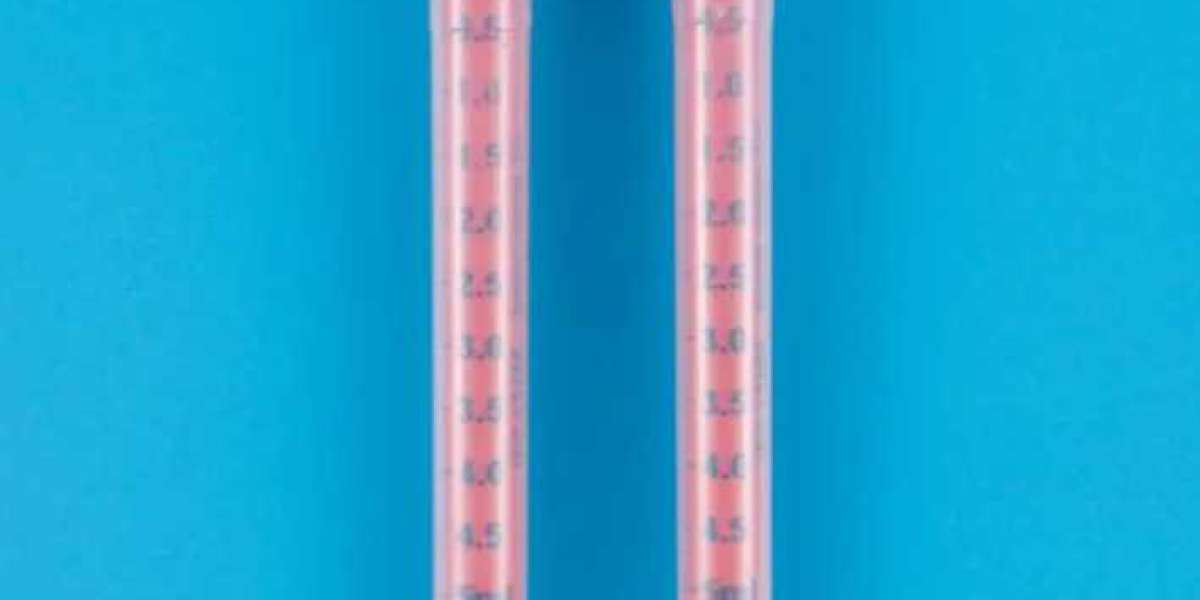

Urine Bag Accessories and Dosing Pipette products are frequently handled throughout the day in hospitals, clinics, and long-term care facilities. Their suitability for repeated use depends on thoughtful design, material durability, and ease of operation. Although small in size, these products contribute to maintaining orderly care processes.
Urine bag accessories are often connected, adjusted, and removed during routine patient care. Components such as outlet valves and clamps must operate smoothly without excessive force. Consistent opening and closing performance helps caregivers manage drainage efficiently while reducing strain during repeated handling.
Durable construction supports reliability over time. Accessories produced with reinforced connection points and stable wall thickness are less likely to deform during use. This structural consistency helps maintain secure attachment to urine bags and tubing, even after multiple adjustments.
Dosing pipette design plays a direct role in measurement consistency. Uniform internal dimensions help ensure that drawn volumes correspond accurately to printed graduations. Clear markings placed at appropriate intervals allow users to read measurements easily, supporting consistent dosing practices.
Handling comfort is another factor. Pipettes with well-shaped bulbs or plungers allow controlled suction and release. This control is especially useful when transferring small volumes where precision matters. Smooth operation reduces the likelihood of splashing or uneven dispensing.
In care environments, urine bag accessories also support patient comfort and safety. Secure connections help prevent accidental leakage, which could lead to discomfort or additional cleanup. Accessories designed with rounded edges and smooth finishes reduce the risk of irritation during handling.
Compatibility across different systems remains important. Many care facilities use urine bags from multiple suppliers. Accessories designed to fit standard outlet sizes allow flexibility in procurement and reduce the need for multiple accessory types. Dosing pipettes are similarly produced in common volume ranges, supporting use across departments.
Cleaning and disposal considerations influence product selection. Some urine bag accessories are intended for single-use applications, while others may be used for limited durations. Designs that limit internal fluid retention help reduce residue when accessories are replaced. Dosing pipettes may be disposed of after use or cleaned depending on facility protocols.
Visual clarity supports correct operation. Transparent materials allow caregivers to confirm fluid presence and flow direction. For dosing pipettes, visibility helps ensure accurate volume reading and confirms that liquid has been fully dispensed.
Workflow efficiency benefits from accessories that are easy to manage. Lightweight components can be handled quickly, supporting routine care tasks without unnecessary steps. Dosing pipettes packaged in accessible formats allow staff to select appropriate sizes without delay.