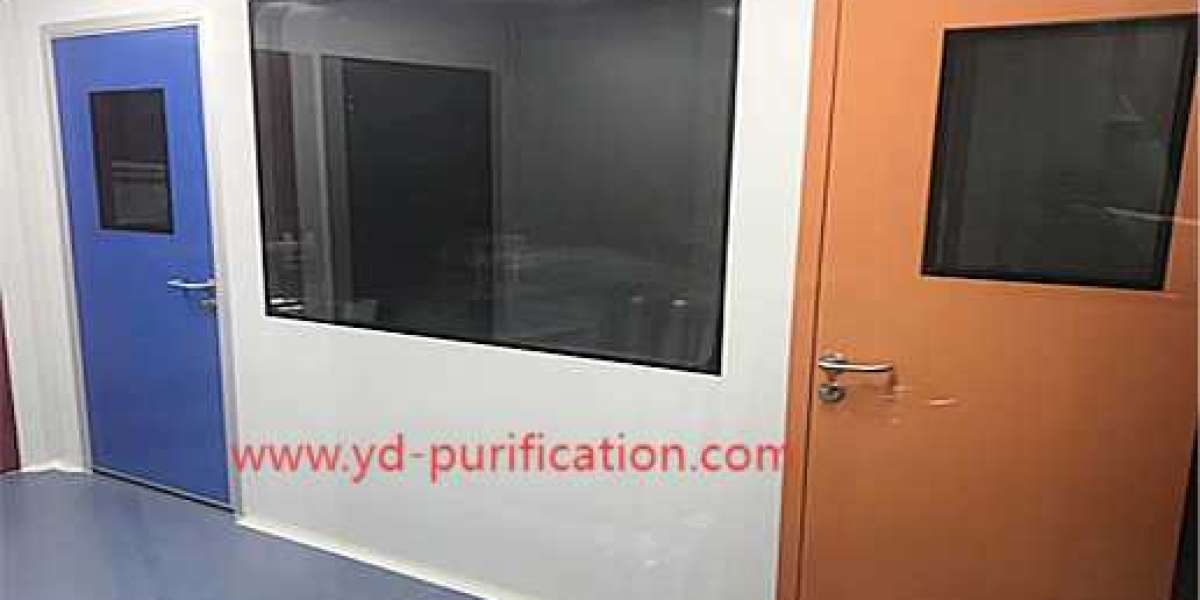

In facilities requiring stringent contamination control, Yuanda Clean Room Doors And Windows provide essential functionality that blends protection, observation, and operational efficiency. Designed to maintain airtight seals and stable airflow, could these systems transform both monitoring and access practices while preserving cleanroom integrity?
Every element in a controlled environment contributes to contamination management. Doors act as protective barriers while allowing controlled entry and exit. Windows offer visibility for supervision and quality assurance without exposing the interior to outside contaminants. Combined, these elements support both operational efficiency and environmental safety, ensuring that sensitive processes remain uncompromised.
Material quality is crucial for longevity and hygiene. Corrosion-resistant metals, tempered or laminated glass, and precision-engineered seals allow repeated cleaning and exposure to chemicals without degradation. Smooth surfaces prevent particle adhesion, simplify sanitation, and meet stringent regulatory standards. High-quality construction reduces maintenance demands while sustaining performance over time, creating lasting operational reliability.
Airflow and pressure management are closely linked to the design of doors and windows. Even minor gaps or misalignments can disrupt laminar flow or pressure differentials, increasing contamination risks. Precision engineering ensures that these components integrate seamlessly with HVAC and filtration systems, maintaining temperature, humidity, and particulate control across critical production zones.
Efficiency and ergonomics extend beyond protection. Doors operate smoothly with minimal turbulence, reducing wear on seals, while windows are placed to maximize visibility for operators and supervisors. Optional panels, vision sections, or access hatches enhance inspection workflows and allow early detection of anomalies without compromising sterility. Careful design helps staff perform tasks efficiently while minimizing environmental disturbance.
Durability and maintenance simplicity are key considerations. Modular frames, replaceable seals, and easily accessible components allow technicians to perform inspections or routine cleaning without halting operations. A robust design reduces downtime and supports long-term compliance, demonstrating how investment in quality infrastructure enhances both operational performance and safety.
Modern cleanroom practices increasingly emphasize transparency, accountability, and process reliability. Doors and windows serve not only as physical barriers but also as enablers of oversight, training, and continuous quality monitoring. Their integration ensures that teams can observe, access, and respond to production needs while maintaining environmental integrity.
By combining strength, airtight sealing, clear visibility, and smooth functionality, these systems become active contributors to process control and contamination prevention. They reflect a holistic approach to cleanroom management, where observation and protection coexist seamlessly within operational workflows.
Professionals exploring advanced infrastructure solutions may consider Clean Room Doors And Windows from https://www.yd-purification.com/news/industry-news/the-value-of-clean-room-doors-and-windowsyou-need-to.html as examples of how precision, materials, and thoughtful design integrate to support observation, control, and safety in highly sensitive production environments.