

If you want comfort that lasts and bills that drop, start with a clear plan that ties your rooms, ducts, and controls into one balanced whole. Build momentum with easy checks before tackling major changes. The right steps show up as steadier rooms and quieter bills. We’ll explore how scoping pairs with rigorous checks, straightforward budget calls, and lifecycle practices that keep gains locked in. Along the way, we will weigh home comfort vs energy use and apply indoor comfort planning that respects daily life. In order, each fix multiplies the payoff. Prepare now and enjoy smoother seasons.
Scope smartly for seasonal wins and balanced comfort
Start by listing rooms with hot and cold spots in house, then note times these swings occur and what systems run. home energy efficiency Collect past statements and compare peak vs off peak electricity to spot time-based spikes. Use time of use rates explained and how to read an electric bill to flag phantom power usage from small chargers. Bring in how to read a gas bill to decode heating. This early picture focuses your choices.

Next, build a home energy audit checklist so a whole home energy audit can move fast. Book a blower door test explained with a home air leakage test for accuracy. Keep weatherization basics visible so air sealing tips land where they matter. Create room notes for return air problems and weak airflow from vents. You’ll pick steps that reduce utility bills without disrupting life.
What to gather to start for airflow, sealing, and even rooms
Put together a kit for airflow testing and hvac diagnostics so you can measure static pressure in hvac and locate reduced airflow causes. home energy efficiency Have a manometer, sealing tape, mastic, and good lighting. Read a duct sizing guide and manual d duct design to verify supply vs return airflow, then note ductwork airflow issues that limit ac efficiency tips. If duct leakage signs pop up, plan air balancing service and capture duct leakage energy loss for the record. Strong tools sharpen choices and avoid do-overs.
Gather insulation r value guide notes plus attic insulation upgrade options to complement weatherstripping doors and windows. Record duct insulation r value with attic ductwork problems like condensation on ductwork. Plan fresh air ventilation options with erv vs hrv explained to support indoor air quality basics and iaq improvement tips. Use indoor humidity target range and humidity control in home to stop musty smell in house. These items protect data quality and repeatability.
Step-by-step process for checks and risk-aware adjustments
Start with hvac performance testing to baseline hvac efficiency, then run hvac troubleshooting if readings stray from spec. home energy efficiency Check variable speed hvac benefits by stepping fan ramps and logging comfort. Follow with airflow testing to tune damper balancing in ducts and correct supply vs return airflow drift that creates furnace not heating evenly. For ac not cooling evenly, check oversized ac problems and undersized ac symptoms along with system sizing and comfort findings. Wrap up by storing air balancing service data for comparison.
Next, schedule a homeowner maintenance checklist that merges hvac maintenance checklist, hvac tune up checklist, ac maintenance checklist, and furnace maintenance checklist. Use thermostat schedule tips and smart thermostat settings to test smart thermostat savings with remote temperature sensors across zones. Evaluate hvac zoning basics against homes without usable ductwork to plan mini split vs central air. Track multi zone mini split design plus mini split sizing and concealed mini split maintenance to prevent mini split noise causes. Document mini split drain line issues checks to stop water stains later.
Quality controls and risk checks that secure comfort and ROI
Confirm right size air conditioner and right size heat pump using manual j load calculation and manual s equipment selection. home energy efficiency Compare seer vs seer2 explained, eer rating explained, and hspf vs hspf2 explained to align labels with truth. Test heat pump vs furnace plans, noting dual fuel heat pump system behavior, aux heat usage, and heat pump in cold weather performance. Log heat pump defrost cycle explained to avoid sudden noise and cold drafts. This stops sizing errors that leave rooms uneven.
Audit window efficiency upgrades, radiant barrier pros and cons, and thermal bridging explained where walls meet attics. Deploy weatherstripping doors and windows, trimming energy vampires in the home and phantom power usage quietly. Check ridge vent vs soffit vent to improve attic ventilation balance and stop attic moisture problems that drive condensation on vents. Evaluate crawlspace encapsulation basics, crawlspace vapor barrier, and crawlspace dehumidifier sizing to protect basement humidity control. These controls lift home upgrade roi and tighten efficiency upgrade payback with balanced home comfort intact.
Lifecycle upkeep and habits that preserve gains and lower costs
Map a monthly home maintenance checklist, seasonal home maintenance checklist, and new homeowner handbook entries to keep home systems basics clear. home energy efficiency Keep home systems performance snapshots to flag small shifts. Track dust in house causes and smoke and dust control with best hvac filter for allergies tuned by merv 8 vs merv 11 vs merv 13. Watch high merv filter airflow impact and set how often to change air filter based on readings. Tiny habits halt big costs and stretch equipment years.
Fold water heater energy use into planning and apply water heater efficiency tips with water heater maintenance to extend water heater lifespan. Schedule flush water heater sediment and replace anode rod to avoid water heater leak signs and water heater repair vs replace dilemmas. Compare water heater replacement cost against tankless water heater pros and cons, tankless water heater sizing, and tankless water heater installation guide. Verify tankless water heater venting, plan tankless water heater descaling, and assess tankless water heater outdoors if permitted. These routines shape seasonal energy savings and durable comfort.
Budget choices and comparisons that align with goals without overspend
Set a homeownership cost breakdown that includes maintenance budgeting for homeowners and home repair budgeting to plan repair vs replace decisions. home energy efficiency Leverage quote comparison checklist to compare hvac quotes on verifiable tasks. Weigh home efficiency upgrades and energy efficient home improvements against lower utility bill, lower electric bill, and lower gas bill targets. Keep energy saving tips for homeowners visible so choices match seasonal energy savings, summer energy savings at home, and winter energy savings at home timelines. This method keeps budgets clear and results provable.
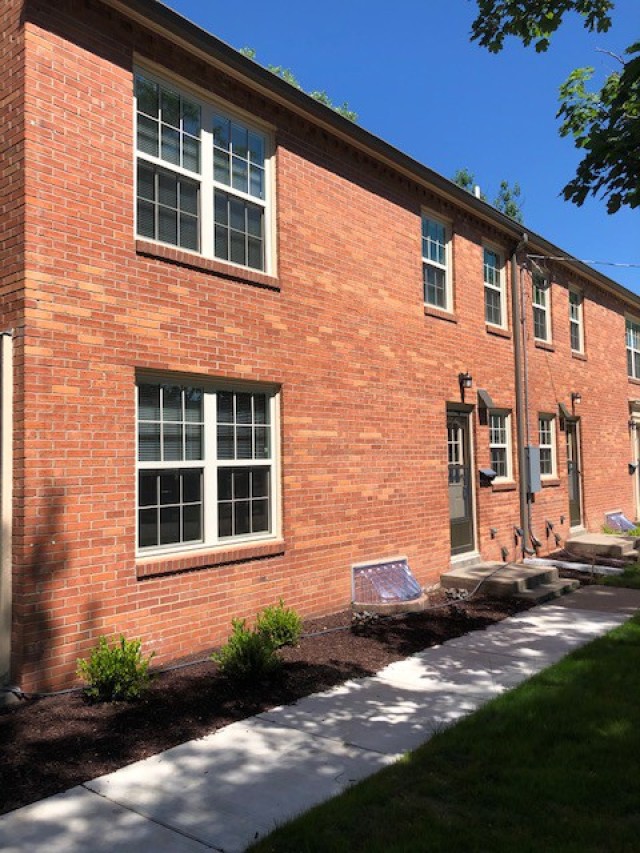
Choose HVAC, heating, or ac work in phases, backed by contractor neutral home guide steps that make results transparent. Connect hvac diagnostics and clear airflow testing, sealing with an air balancing service. End each phase with a brief report showing the improvement. Calibrate choices using seer vs seer2 explained and hspf vs hspf2 explained summaries for fair comparisons. Informed spending boosts comfort and trims waste without guesswork.
Conclusion: When you combine careful scoping, solid materials, predictable workflow, tight quality checks, and steady care, comfort rises while bills settle down. With tested steps, each improvement supports the next, from ducts and controls to moisture and ventilation. Budget choices become simpler because the results are visible and repeatable. Stick with the sequence, and you’ll keep gains through every season, with fewer surprises and more calm at home.