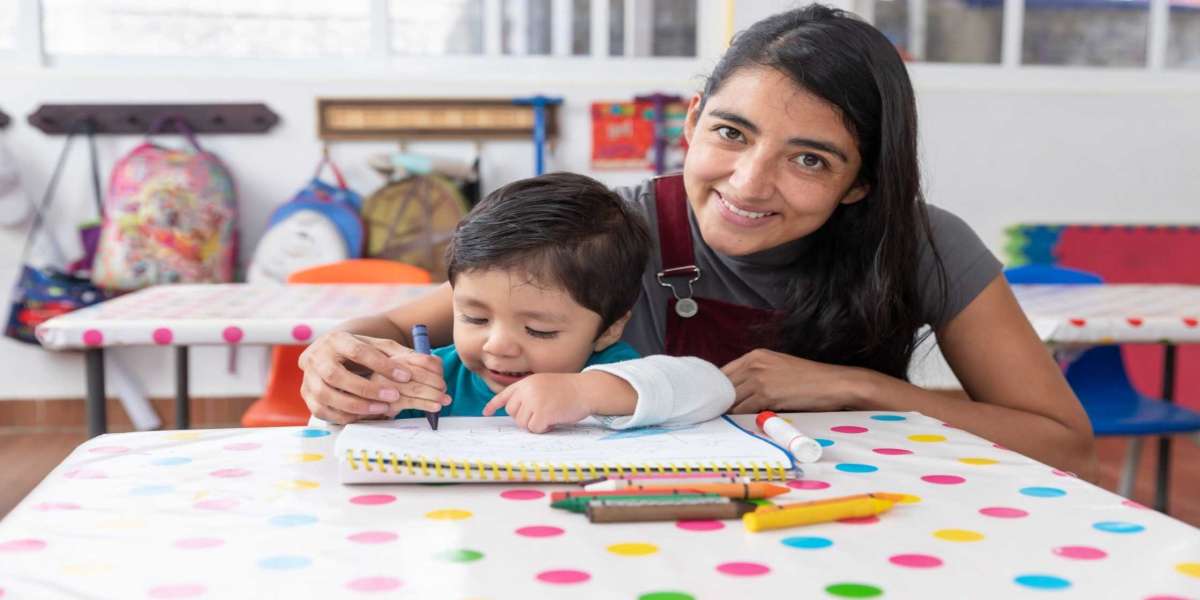

Early childhood is a critical period for brain growth, emotional development, and learning habits. Research consistently shows that well-designed preschool activities play a powerful role in shaping how young children think, communicate, and interact with the world. Whether guided by a preschool teacher, supported through at home preschool, or inspired by online preschool ideas, these activities help children build strong cognitive and social foundations that last well beyond the early years.
Rather than relying on memorization, preschool learning thrives when children are actively engaged, curious, and having fun.
Why Preschool Activities Are Essential for Brain Development
Learning Happens Best Through Play
Young children learn differently from older students. Their brains are wired to explore through movement, touch, sound, and experimentation. Preschool activities allow children to learn naturally by doing, not by sitting still.
These activities help children:
- Strengthen memory and attention
- Develop problem-solving skills
- Build early language and communication
- Learn cause and effect
Play-based learning activates multiple areas of the brain at once, making learning deeper and more meaningful.
The Role of the Preschool Teacher in Early Learning
A skilled preschool teacher understands how to guide play without controlling it. Teachers create environments that encourage curiosity while gently introducing structure and routine.
Through group preschool activities, children learn:
- How to take turns
- How to express emotions
- How to listen and respond
- How to cooperate with peers
These social-emotional skills are just as important as academic readiness and are essential for long-term success.
Preschool Activities at Home: Learning Beyond the Classroom
Creating an At Home Preschool Environment
Families don’t need a classroom to support early learning. An at home preschool can be built around simple, intentional routines that make everyday moments educational.
Effective preschool activities at home include:
- Sorting household items by color or size
- Reading together and discussing pictures
- Building with blocks or recycled materials
- Simple counting games during play
These experiences reinforce preschool learning while strengthening parent-child bonds.
Sensory Activities and Brain Growth
Why Sensory Play Matters
Sensory activities are especially important for early brain development. They help children process information through touch, movement, and exploration.
Examples include:
- Rice or water sensory bins
- Playdough shaping
- Sand tracing for letters and shapes
- Scooping and pouring activities
Sensory play improves focus, coordination, and emotional regulation, making it ideal for both preschoolers and activities for infants when adapted safely.
Educational Activities for Preschoolers That Build Confidence
Blending Learning With Fun
The best educational activities for preschoolers feel like play while supporting real learning goals. These include:
- Matching and memory games
- Loose-parts sorting and pattern making
- Simple science experiments
- Music and movement activities
Such fun activities for preschoolers build independence and confidence while preparing children for future academic challenges.
Preparing for Kindergarten Through Play
Preschool Activities That Support School Readiness
Children who engage regularly in hands-on learning are better prepared for kindergarten activities. Skills developed through preschool play include:
- Fine motor control
- Listening and following directions
- Early math and literacy concepts
- Emotional resilience
Creative projects like crafts for preschoolers also strengthen hand muscles and encourage creative thinking, both essential for classroom readiness.
Online Preschool Ideas Used the Right Way
While hands-on learning is ideal, online preschool resources can support parents and teachers when used thoughtfully. Digital ideas work best when they inspire offline play rather than replace it.
For example:
- Watching a short activity demo, then recreating it
- Using printable prompts with real materials
- Turning screen ideas into physical games
This balanced approach keeps learning active and engaging.
Conclusion: Why Preschool Activities Truly Matter
Early learning is about more than letters and numbers it’s about curiosity, confidence, and connection. Thoughtfully planned preschool activities support brain development, emotional growth, and lifelong learning habits. Whether guided by a preschool teacher, practiced through at home preschool, or inspired by online preschool resources, these experiences give children the tools they need to thrive.
By choosing meaningful, play-based preschool activities, parents and educators lay the foundation for strong learning, healthy development, and joyful early childhood experiences.