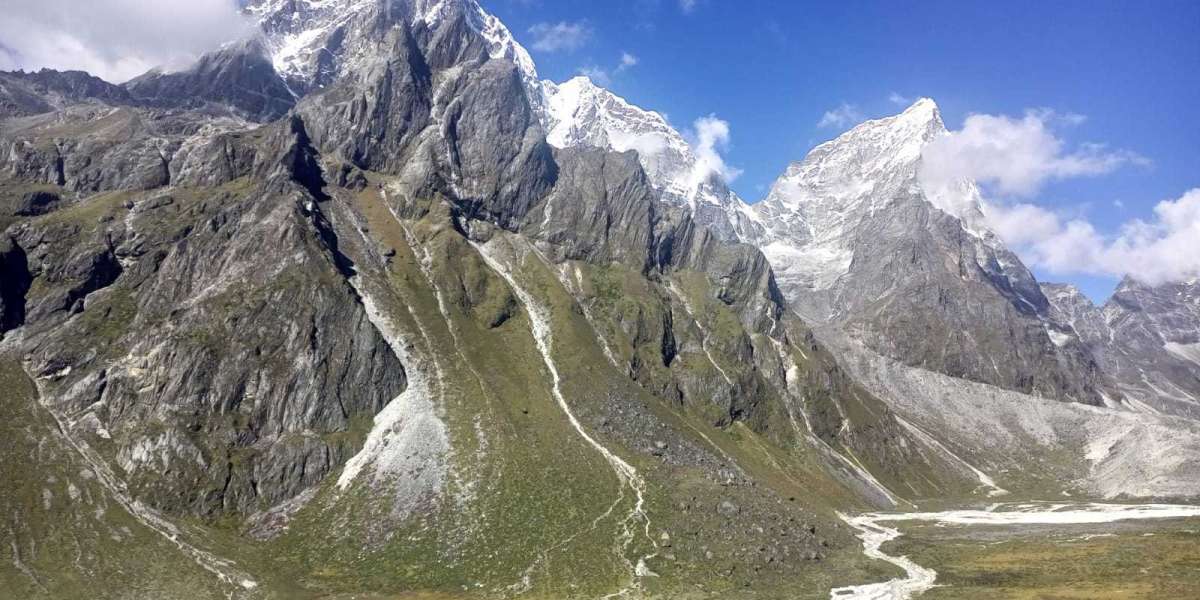

Lobuche Peak, one of the golden 6,000-meter peaks in Nepal, is used to descend a wave from the Everest region to camp above its steep ice ridges. The Khumbu Glacier entry, mixed snow and ice ground summit slopes, which are then a little steep enough to warrant the use of a rope, if not obligatory, suggest more than the guide's praxis level required. In 2026, rules and standards will focus more on safety, the environment, and driver support than ever before.
Mandatory Guides and Climbing Permits
Do note that getting climbing permits and ascending Lobuche Peak now requires adherence to new Nepal mountaineering regulations, for everyone's safety accountability. The NMA (Nepal Mountaineering Association) requires that all climbing groups going to peaks such as Lobuche be organized through a licensed guiding company and that decides for their protection,lead climbers. This rule is part of a nationwide push for broader policy updates that will make it no longer possible to climb high‑altitude unsupported or unguided.
Specifically, you will need an NMA climbing permit along with Sagarmatha National Park and local rural municipality permits prior to climbing Lobuche Peak. They are the only permits required to climb the mountain, but are part of Nepal's overall safety system to monitor mountaineers on the peak and coordinate with emergency services for rescues, as well as follow local rules in general.
Professional Climbing Guides:
Next Important Safety Standard On Lobuche 2026, one of the crucial aspects for safety while climbing Lobuche is to have a technically rope-skilled guide. Not your average pay-to-go guide who only knows his way around the trails, Lobuche climbing Guides must have experience in rope fixing, glacier travel, first aid, and altitude safety. They not only follow the climbers but also actively guide the crux parts of the ascent, where rope systems and technical decisions take place, which influence security during climbing.
Fully-trained local Sherpa guides or international climb leaders will safely guide you through the complexities of mixed rock, icy wall, and snow slopes. Several well-run operators will go a step further, fixing their own ropes each season (or trip) as opposed to relying on seasonal or frequently used fixed lines already in place on the route. Many climbers say this method is safer — ropes and anchors are left Edition after Edition, year after year, under circumstances that can have unpredictable and dangerous consequences.
Rope Systems on the Climb
Rope systems are mandatory on Lobuche Peak, but for the steeper terrain, which you would typically encounter above High Camp. On high snow and ice slopes, especially exposed ridges where a slip could send you sliding, climbers will be strung on fixed ropes. The proper location and tension of the ropes, set by experienced guides, means climbers can go up safely with jumars or prusik systems and down on a secure belay if necessary.
This ethos again varies in presence, but 2026 will now see guided trips that install new rope systems for each team and are no longer just using ropes left by prior parties. In part, this habit is to inspect the ropes, to make sure we're anchored and each adapted to the particular conditions of the climb. And climbing with your own rope system (which you check on at base camp) offers an additional safety margin in case the weather deteriorates rapidly.
Acclimatization, Protection, and Rope Training
With a mix of high altitude and technical difficulty, success will come down to climbers being well-acclimatized before the summit push. To meet modern safety standards, climbers are now required to gain knowledge in the use of ice axes, crampons, and rope systems safely. Most trips will include an on-base camp (or similar camp) pre-climb advisory in mountaineering skills and rope handling from local belay operators.
Correctly fitted gear — helmets, harnesses, ascenders, carabiners — isn't a choice. Individuals should carry their personal protection, and it is essential to verify that a guide has tested group rope systems and anchor points.
Safety Communication and Emergency Protocols
In addition, they include the communication and emergency procedures of the 2026 version. Even the most prestigious climbing teams could have satellite phones and GPS trackers that allow for minute‑by-minute weather updates and emergency actions. They… tend to be obligatory – or at least strongly recommended by those who operate the expeditions,” and help if, no matter how careful and trained one received beforehand, they do happen to run into some unexpected/adverse weather conditions during the ascent.
Many permits are approved only if you have high‑altitude and helicopter evacuation insurance. If climbers lack insurance covering their evacuation and treatment in the event of a mishap, they could be denied the consent that is required to get high.
Environmental and Rope Use Guidelines
In Nepal, the peak‑climbing rules are not only about the safety of humans, but also stewardship for the environment. Climbers and guides are supposed to leave a careful minimum of yesterday's leftovers — remnants of fixed rope, pitons, or anchors — at the end of an expedition. And of course there are for foreigners earth/flour democracies from which they are leaving things in the mountains like how to pollute and endanger other teams going after, so be responsible and use too – why not – ropes/clean‑up protocols as standard.
Ropes that you've to summit better be brought down damn carefully - either by careful pick up of non-essential cord (and they need a lot) or by not degenerating mountains and picking flagships off it. The idea is to leave safe passage and avoid gear becoming litter or obstructions on the route for future expeditions."
Climbing Season and Weather Considerations
Nothing that is specific to 2026, but season and weather are the most critical factors determining rope safety and guiding strategy. The best season of the year for Lobuche Peak climbing is twice in the Spring (March to May) and Fall (September to November). In winter, ropes and gear can be buried in snow or encased in ice — and logistics are more difficult, adding danger. Guides refuse to consider summit attempts in adverse weather conditions for the safety of their climbers.
Guiding Standards and Quality Assurance
That the world's famous and arguably prestigious commercial climbing guiding company did not have its control of equipment in check is astounding at a time when Nepal's tourism industry has been moving towards ever higher professionalism standards. In recent years, licensing requirements, guide insurance, and mandatory training have been better enforced to ensure the safety of both climbers and local staff. It prevents these types of accidents –or even ‘rock up and go amateurish’, amateurish / lack of preparation / novice-esque management on technical terrain.
A good guiding team not only reduces risk but also increases the likelihood of reaching the summit. Guides evaluate snow stability, the ideal spot to thread a rope each day, and make split‑second decisions that can prevent accidents. In other words, jerry-built rope systems and guides turn a risky technical challenge into something else: something more manageable.
Conclusion
The ascent of Lobuche Peak in 2026 calls for a certain level of professionalism, high safety considerations (such as modern standards of climbing ropes), and complete security systems. With new rules from the government of Nepal and with industry standards in transition, these should be directed at established guiding outfits, fresh and inspected roping systems, proper acclimatization schedules, and modern emergency response procedures. These measures reflect a shift in culture towards accountability and safety in Himalayan climbing, one that's at protecting climbers more effectively but also the mountain environment itself.
So whether you dream of doing some mountain climbing in the future or are an experienced climber considering a Lobuche ascent, the news of these safety measures is bound to be educational and leave you better prepared when ready for an attempt.