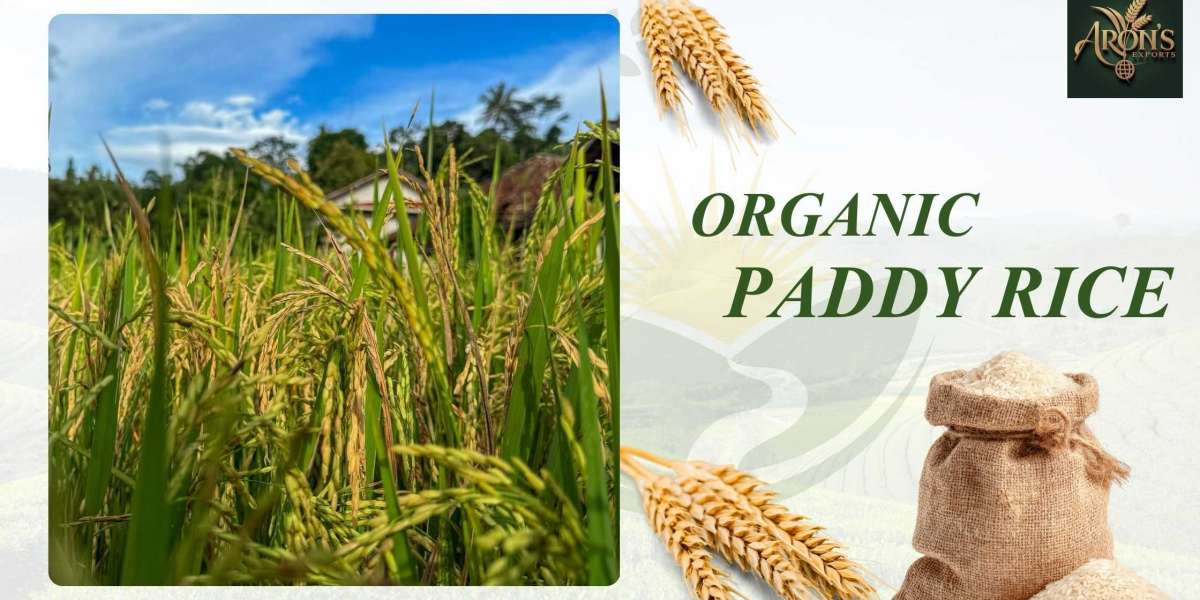

The global agricultural sector is witnessing a steady shift toward sustainable and environmentally responsible farming practices. Among staple crops, rice plays a critical role in food security, and its organic production is gaining increasing attention. Organic Paddy Rice represents a sustainable alternative to conventional rice cultivation, offering environmental benefits, improved soil health, and strong market potential. At Aron, we support organic farming methods that align with global demand for safe, traceable, and high-quality agricultural products.
Understanding Organic Paddy Rice
Organic paddy rice is cultivated without the use of synthetic fertilizers, chemical pesticides, or genetically modified seeds. Instead, farmers rely on natural inputs, crop rotation, organic compost, and biological pest control methods. The production of Organic Paddy Rice focuses on maintaining ecological balance while ensuring consistent crop performance. These practices contribute to healthier soils and sustainable yields, making organic paddy rice a preferred choice for environmentally conscious markets.
Sustainable Farming Practices in Organic Paddy Rice Production
Sustainability lies at the core of organic paddy rice cultivation. Organic farming enhances soil fertility through the use of natural manure and green compost, reducing dependency on chemical inputs. Water management practices are optimized to minimize waste and protect surrounding ecosystems. The cultivation of Organic Paddy Rice also encourages biodiversity by supporting beneficial insects and microorganisms that naturally protect crops from pests and diseases.
Soil Health and Long-Term Agricultural Stability
One of the most significant advantages of organic farming is improved soil health. Continuous use of organic matter increases soil organic carbon, improves structure, and enhances water retention. Over time, fields cultivated for Organic Paddy Rice become more resilient to climate variations and environmental stress. Healthy soil ensures consistent grain development and supports long-term agricultural sustainability, benefiting both farmers and buyers.
Quality Characteristics of Organic Paddy Rice
Organic paddy rice is known for its natural grain strength and clean husk appearance. The absence of chemical residues ensures safer raw material for further processing. Organic Paddy Rice typically offers good milling performance due to balanced grain development achieved through natural growth cycles. Buyers value organic paddy rice for its purity, traceability, and compliance with organic certification standards required in international trade.
Environmental Benefits of Organic Paddy Rice Cultivation
Organic rice farming significantly reduces environmental pollution. By eliminating synthetic chemicals, organic practices protect groundwater, reduce greenhouse gas emissions, and prevent soil degradation. The cultivation of Organic Paddy Rice also helps maintain surrounding ecosystems by minimizing chemical runoff into nearby water bodies. These environmental benefits align with global sustainability goals and increasing regulatory focus on eco-friendly agricultural practices.
Market Growth and Global Demand Trends
The global demand for organic food products continues to rise, driven by consumer awareness, health considerations, and sustainability initiatives. Organic Paddy Rice is experiencing strong market growth, particularly in regions with strict food safety regulations. Export markets increasingly prefer organic-certified paddy rice due to its traceability and compliance with international standards. At Aron, we actively respond to this demand by strengthening organic sourcing and supply chain transparency.
Certification and Compliance Standards
Certification plays a crucial role in the organic paddy rice trade. Organic certification ensures that farming practices meet recognized international guidelines. Organic Paddy Rice must be cultivated, handled, and stored according to strict standards to maintain certification status. Aron works closely with certified growers and inspection bodies to ensure full compliance, enabling smooth access to global markets and buyer confidence.
Supply Chain Transparency and Traceability
Transparency is a key factor in the organic agricultural market. Buyers require detailed information on farming methods, sourcing locations, and handling processes. The Organic Paddy Rice supply chain emphasizes traceability from farm to buyer. Aron maintains clear documentation and quality monitoring at every stage, ensuring reliability and consistency for both domestic and international customers.
Challenges in Organic Paddy Rice Production
Despite its benefits, organic paddy rice farming presents certain challenges. Lower initial yields, labor-intensive practices, and certification costs can affect production scale. However, long-term benefits such as soil health improvement and premium market pricing often offset these challenges. The growing market demand for Organic Paddy Rice encourages investment in organic farming infrastructure and farmer training programs.
Role of Aron in Promoting Organic Paddy Rice
At Aron, we are committed to supporting sustainable agriculture and responsible sourcing. Our involvement in organic paddy rice supply focuses on quality assurance, farmer collaboration, and efficient logistics. By prioritizing Organic Paddy Rice, we help bridge the gap between sustainable farming practices and global market requirements. Our expertise ensures that buyers receive organic paddy rice that meets quality, safety, and certification expectations.
Future Outlook for Organic Paddy Rice Markets
The future of organic paddy rice looks promising as sustainability becomes a core priority across food supply chains. Increasing consumer demand and regulatory support are expected to drive further market expansion. Organic Paddy Rice will continue to play an important role in environmentally responsible agriculture and global food security. Aron remains focused on adapting to market trends and delivering reliable organic solutions to meet evolving buyer needs.
Conclusion
Organic paddy rice represents a sustainable approach to rice cultivation that benefits the environment, farmers, and global markets. Through eco-friendly farming practices, improved soil health, and strong market demand, Organic Paddy Rice continues to gain importance in international trade. With a commitment to quality, transparency, and sustainability, Aron stands as a reliable partner in the growing organic paddy rice market.