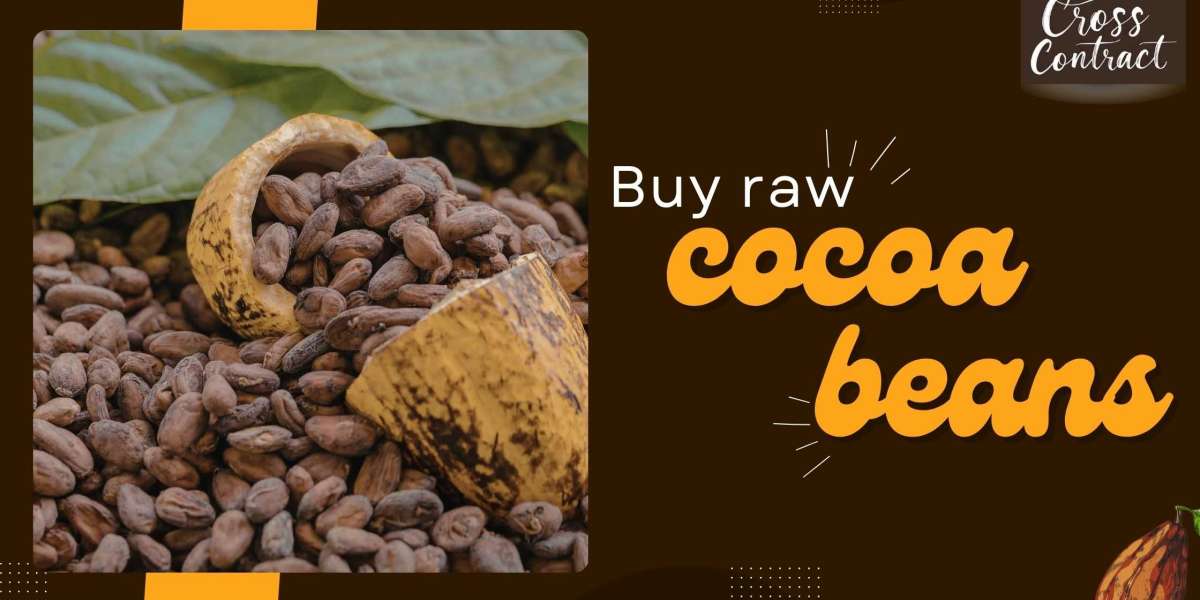

Raw cocoa beans are the foundation of high-quality chocolate, cocoa powder, and a wide range of food and wellness products. As global demand for natural and minimally processed ingredients grows, more manufacturers and distributors are looking to Buy Raw Cocoa Beans directly from trusted sources. At Cross Contract, we help buyers access premium raw cocoa beans with verified quality, ethical sourcing, and reliable supply chains.
This buyer’s guide explains what raw cocoa beans are, how to evaluate quality, the importance of origin, and how to make informed wholesale purchasing decisions.
What Are Raw Cocoa Beans?
Raw cocoa beans are cocoa seeds that have been harvested, fermented, and dried but not roasted. Unlike processed cocoa products, raw beans retain more of their natural nutrients, antioxidants, and original flavor characteristics.
Businesses choose to Buy Raw Cocoa Beans for:
Artisan chocolate production
Cocoa nibs and powder processing
Health-focused and organic food products
Specialty and single-origin chocolate lines
Why Buy Raw Cocoa Beans Instead of Processed Cocoa?
Greater Control Over Processing
When you buy raw beans, you control roasting profiles, grinding methods, and flavor development, allowing for customized end products.
Natural Nutritional Value
Raw cocoa beans contain flavonoids, minerals, and antioxidants valued in health-conscious markets.
Authentic Flavor Expression
The original taste notes—fruity, nutty, floral, or earthy—are best preserved in raw beans, especially for premium chocolate makers.
Understanding Cocoa Bean Quality
When planning to Buy Raw Cocoa Beans, quality assessment is critical. The following factors help determine bean value and performance:
1. Fermentation Quality
Proper fermentation is essential for flavor development. Under-fermented beans taste bitter, while over-fermented beans lose complexity. Well-fermented beans show balanced aroma and color.
2. Bean Size and Uniformity
Larger, evenly sized beans ensure consistent roasting and processing. Uniformity also indicates good farming and post-harvest practices.
3. Moisture Content
Ideal moisture levels range between 6% and 8%. Excess moisture increases the risk of mold and spoilage during storage and shipping.
4. Defect Rate
High-quality raw cocoa beans should be free from insects, broken shells, mold, and foreign materials.
The Importance of Cocoa Bean Origin
Origin plays a major role in flavor, aroma, and market positioning. Buyers who Buy Raw Cocoa Beans often select specific regions based on desired characteristics:
West Africa
Countries like Ghana and Ivory Coast are known for strong cocoa flavors and high production volumes, ideal for large-scale manufacturing.
Latin America
Peru, Ecuador, and the Dominican Republic produce fine-flavor cocoa with fruity and floral notes, popular among artisan chocolate makers.
Asia-Pacific
Indonesia and Papua New Guinea offer unique cocoa profiles with earthy and smoky characteristics.
Cross Contract works with trusted suppliers across these regions to match buyers with the right origin.
Ethical and Sustainable Sourcing
Modern buyers prioritize sustainability and ethical sourcing. When you Buy Raw Cocoa Beans, consider suppliers that support:
Fair labor practices
Environmentally responsible farming
Traceable supply chains
Long-term farmer partnerships
Ethical sourcing not only protects communities but also strengthens brand reputation in global markets.
Certifications to Look For
Certifications provide assurance of quality and compliance. Common certifications include:
Organic Certification
Fair Trade
Rainforest Alliance
Non-GMO Verification
These standards help buyers meet regulatory requirements and consumer expectations.
Packaging and Storage Considerations
Proper packaging is essential to preserve raw cocoa beans. Common options include:
Jute or sisal bags for breathability
Food-grade liners for moisture control
Storage should be cool, dry, and well-ventilated to prevent quality degradation.
At Cross Contract, we ensure proper packaging and handling from origin to destination.
Logistics and International Trade
Raw cocoa beans are typically shipped via sea freight in bulk containers. Important logistics considerations include:
Export documentation and customs clearance
Quality inspection reports
Moisture and temperature control
Cross Contract manages end-to-end logistics, helping buyers Buy Raw Cocoa Beans safely and efficiently.
Why Choose Cross Contract to Buy Raw Cocoa Beans?
Cross Contract is a trusted sourcing and export partner for global buyers. Our advantages include:
Verified and reliable suppliers
Consistent quality control
Competitive wholesale pricing
Ethical and sustainable sourcing
Export and logistics expertise
We simplify the process so buyers can focus on production and market growth.
Conclusion
Choosing to Buy Raw Cocoa Beans requires careful consideration of quality, origin, ethics, and logistics. By understanding these key factors, buyers can secure premium cocoa that meets both production needs and market expectations.
With Cross Contract as your sourcing partner, you gain access to high-quality raw cocoa beans, transparent supply chains, and dependable global delivery—supporting your business every step of the way.