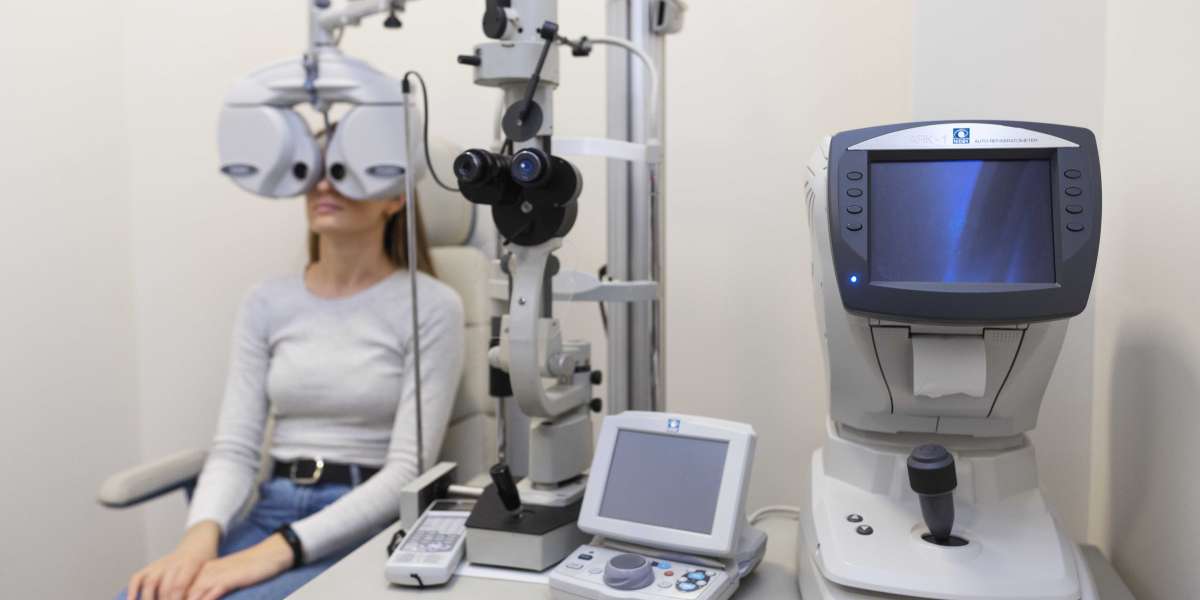

Accurate optical assessments form the backbone of quality eye care. Every vision-related diagnosis, treatment plan, and corrective prescription depends on how precisely a patient’s visual system is evaluated. In an era where eye strain, refractive errors, and lifestyle-related vision problems are increasing, the importance of reliable optical assessments has never been greater. These evaluations not only determine current visual needs but also help identify early signs of progressive eye conditions.
The Foundation of Effective Vision Diagnosis
Quality eye care begins with understanding how light is focused within the eye. Optical assessments allow clinicians to evaluate refractive status, visual acuity, and alignment in a structured and measurable way. When these measurements are accurate, practitioners can confidently differentiate between temporary visual discomfort and underlying refractive or ocular issues that require intervention.
Inaccurate or inconsistent assessments can lead to misdiagnosis, resulting in improper prescriptions or delayed treatment. Over time, this may cause headaches, eye fatigue, reduced productivity, and dissatisfaction among patients. Precise testing ensures that every subsequent step in the care process is built on dependable data.
Enhancing Prescription Accuracy and Comfort
One of the most visible outcomes of accurate optical assessments is improved prescription quality. Patients expect clarity, comfort, and consistency from their corrective lenses. Small measurement errors can significantly affect how lenses perform in real-world conditions, especially during prolonged screen use or night driving.
Accurate assessments help fine-tune prescriptions to match a patient’s actual visual demands. This reduces the likelihood of repeat visits, prescription adjustments, and patient complaints. When patients experience immediate visual improvement, it strengthens trust in both the clinician and the practice.
Supporting Preventive Eye Care
Modern eye care is no longer limited to correcting vision—it increasingly focuses on prevention. Accurate optical assessments play a key role in identifying early refractive changes that may signal developing conditions such as myopia progression or age-related vision shifts.
Regular, precise measurements allow clinicians to track subtle changes over time. This longitudinal data supports proactive care strategies, helping patients maintain stable vision and reduce the risk of complications. Preventive eye care depends heavily on the reliability of assessment tools and techniques.
Improving Clinical Efficiency and Consistency
Consistency is critical in busy clinical environments. Accurate optical assessments streamline workflows by minimizing retests and reducing uncertainty during examinations. When clinicians can rely on consistent measurements, consultations become more efficient and focused on patient education rather than troubleshooting inconsistencies.
Standardized assessment methods also make it easier for multiple practitioners within a clinic to interpret results uniformly. This consistency enhances collaboration, improves record accuracy, and ensures continuity of care even when patients see different clinicians over time.
Building Patient Confidence and Trust
Patients may not understand the technical details of optical assessments, but they clearly recognize outcomes. Clear vision, comfortable prescriptions, and confident explanations build trust. When assessments are accurate, clinicians can explain results more clearly, reinforcing patient confidence in recommended treatments.
Trust is a cornerstone of quality eye care. Accurate assessments reduce uncertainty and help patients feel reassured that their eye health is being evaluated thoroughly and professionally. This trust encourages long-term patient relationships and regular eye examinations.
Adapting to Changing Visual Demands
Today’s patients face evolving visual challenges due to increased digital device use, longer screen hours, and changing work environments. Accurate optical assessments must adapt to these demands by capturing real-world visual needs, including near work, intermediate vision, and visual ergonomics.
Precision in measurement helps clinicians customize solutions that align with modern lifestyles. Whether patients are professionals, students, or seniors, tailored assessments ensure their vision correction supports daily activities effectively.
The Role of Advanced Measurement Tools
Technological advancements have elevated the standard of optical assessments. Tools designed for objective measurement reduce reliance on subjective responses alone, improving reliability across different patient groups. For example, the autorefractor has become an essential component in modern eye examinations, offering quick and repeatable measurements that support clinical decision-making when combined with professional judgment.
Such tools enhance efficiency while maintaining accuracy, especially in high-volume practices or community screening environments. Their value lies in supporting clinicians—not replacing expertise—with dependable data.
Ensuring Long-Term Quality in Eye Care Services
Sustainable quality in eye care depends on maintaining high standards in assessment accuracy. Clinics that prioritize precise optical evaluations are better positioned to deliver consistent outcomes, reduce follow-up issues, and uphold professional credibility.
As patient expectations continue to rise, accurate assessments will remain central to delivering value-driven eye care. Investing in reliable assessment practices ensures that clinics can meet both clinical and patient-centered goals.
Conclusion
Accurate optical assessments are not just a technical requirement—they are fundamental to quality eye care. From diagnosis and prescription accuracy to preventive strategies and patient trust, every aspect of eye care relies on precise measurement. As visual demands grow more complex, the role of accurate assessments becomes even more critical. By prioritizing precision and consistency, eye care providers can ensure better outcomes, stronger patient relationships, and long-term success in modern optometric practice.