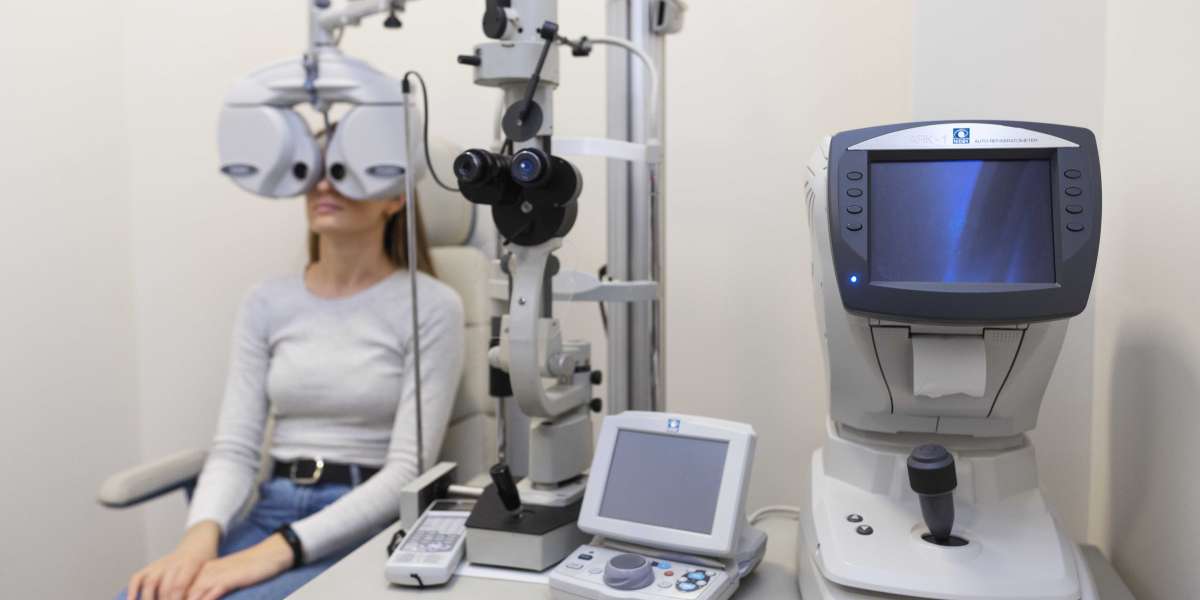

Prescriptive consistency is one of the most important factors in successful eye care. Patients expect their vision prescriptions to feel accurate, comfortable, and stable across visits. When prescriptions vary unexpectedly, it can lead to discomfort, reduced trust, and unnecessary follow-up appointments.
Digital vision testing has emerged as a key solution to this challenge, helping clinics deliver more consistent and reliable prescription outcomes.
Understanding Prescriptive Consistency
Prescriptive consistency refers to the ability to achieve similar, dependable results when vision is tested multiple times under comparable conditions. Consistency does not mean prescriptions never change; rather, it ensures that any changes reflect true visual needs rather than testing variability.
Digital vision testing supports this goal by standardizing measurements and reducing factors that can introduce error or fluctuation.
Limitations of Traditional Testing Methods
Traditional vision testing often relies heavily on manual adjustments and subjective patient responses. While clinical expertise remains essential, these methods can be influenced by patient fatigue, misunderstanding, lighting conditions, or examiner technique.
Such variability can lead to small but meaningful differences in prescriptions, even when a patient’s vision has not truly changed.
How Digital Vision Testing Enhances Accuracy
Digital vision testing systems use advanced algorithms and precise optical measurements to assess refractive values. These systems are designed to minimize external influences and deliver stable results.
By reducing reliance on subjective interpretation, digital testing improves accuracy and supports more dependable prescription outcomes.
Reducing Examiner-Related Variability
In multi-clinician practices, different examiners may approach testing slightly differently. This can affect results, especially when using manual methods.
Digital vision testing standardizes the process, ensuring that measurements remain consistent regardless of who conducts the exam. This standardization plays a crucial role in maintaining prescriptive consistency across visits.
Supporting Objective Baseline Measurements
Objective baseline data is essential for accurate prescriptions. Digital vision testing provides reliable starting points that guide further refinement.
The integration of a refractometer within digital testing workflows helps establish consistent baseline measurements, reducing guesswork and supporting precise prescription development.
Improving Repeatability Across Visits
Patients often return for routine eye exams over many years. Consistent testing methods allow clinicians to compare results meaningfully across time.
Digital vision testing ensures that repeat measurements are comparable, making it easier to identify genuine vision changes rather than test-related variation.
Enhancing Confidence in Prescriptions
When clinicians trust their testing data, they can prescribe corrective lenses with greater confidence. This confidence translates into clearer communication and stronger patient trust.
Patients benefit from prescriptions that feel “right” from the start, reducing the need for adjustments and follow-up visits.
Reducing Prescription Remakes and Adjustments
Prescription remakes are costly for clinics and frustrating for patients. Inconsistent testing is a common cause of such issues.
Digital vision testing minimizes this risk by improving first-time accuracy. Fewer remakes mean smoother workflows and higher patient satisfaction.
Supporting Better Patient Communication
Clear explanations are easier when test results are consistent and supported by digital data. Clinicians can explain prescription decisions using objective findings rather than subjective impressions.
This transparency reassures patients and helps them understand why specific corrections are needed.
Improving Patient Experience and Trust
Patients may not understand the technical details of vision testing, but they recognize consistency. When prescriptions remain stable and effective, trust in the clinic grows.
Digital vision testing contributes to a smoother, more predictable experience, encouraging patients to return for regular care.
Enhancing Preventive Eye Care
Prescriptive consistency also supports preventive eye care. Small changes in vision can indicate early signs of strain or emerging issues.
Digital testing allows clinicians to detect subtle trends over time, supporting early intervention and proactive care.
Supporting High-Volume Clinical Environments
In busy clinics, maintaining consistency can be challenging. Digital vision testing streamlines processes and reduces the need for repeated exams.
This efficiency helps clinics manage higher patient volumes without sacrificing accuracy or consistency.
Benefiting Diverse Patient Populations
Children, elderly patients, and individuals with communication challenges may struggle with traditional subjective testing.
Digital vision testing reduces reliance on verbal responses, supporting accurate and consistent prescriptions across diverse patient groups.
Strengthening Team Alignment in Clinics
Consistent testing methods improve collaboration among clinical teams. When everyone relies on the same digital systems, discrepancies are minimized.
This alignment ensures that patients receive uniform care regardless of which clinician they see.
Supporting Data-Driven Eye Care
Modern eye care increasingly relies on data to guide decisions. Digital vision testing produces measurable results that support evidence-based care.
Data-driven prescriptions enhance consistency and improve long-term outcomes.
Preparing Practices for the Future
As patient expectations and clinical standards continue to rise, consistency will remain a key marker of quality.
Digital vision testing equips practices with the tools needed to deliver reliable prescriptions and adapt to future advancements.
Conclusion
Digital vision testing plays a vital role in improving prescriptive consistency by reducing variability, supporting objective measurements, and enhancing repeatability across visits. By delivering more accurate and dependable prescriptions, it strengthens patient trust, reduces follow-up adjustments, and supports long-term eye health. As modern eye care continues to evolve, digital vision testing will remain essential for achieving consistent, high-quality prescriptive outcomes.