Imagine you walk into your classroom on a Monday morning and notice notebooks open, but not handwritten notes. Instead, students lean over laptops or tablets, chatting with AI tools, generating essays, summarizing lessons, even creating practice quizzes, all in a matter of seconds.
You pause. You're a passionate educator, deeply committed to your students' growth, but you wonder, "Do I really understand the tech they're using?"
It isn't a futuristic scenario. It's the reality of classrooms everywhere. Today's students are experimenting with AI, whether teachers are prepared for it or not. And that's precisely why teacher training programs like the AI Mastermind Program from 1MT Cares matter so much.
AI Isn't Coming - It's Here
Students are boldly exploring AI tools for learning. From essay drafts to study aids, they're using intelligent systems to help them learn faster and more independently. On the positive side, AI can uplift understanding, spark creativity, and boost confidence. On the flip side, without guidance, students can fall into the trap of using these tools unethically, copying work, evading critical thought, and missing out on real learning.
That's where teachers come in, not as gatekeepers, but as guides.
But here's the challenge: most educators haven't received formal teacher training in AI yet. They're expected to suddenly know how to teach with AI, rather than against it, and that's a lot to ask without support.
This gap isn't just uncomfortable; it's a risk to equitable, reflective, and meaningful education.
Why AI Training for Teachers Matters
Here's the heart of the matter: when teachers understand AI, classrooms transform. Teachers don't become replaceable by technology; they become indispensable interpreters and facilitators of it.
AI literacy empowers educators to:
- Guide responsible and ethical use of AI tools, helping students ask the right questions and reflect deeply rather than copy blindly.
- Leverage AI for personalized learning, so lessons adapt to each student's pace and style.
- Automate repetitive tasks, freeing up hours usually spent grading and planning.
- Model digital citizenship, including how to fact‑check, cite sources, and protect personal data.
But learning AI is more than knowing tools; it's about understanding how these tools fit into teaching philosophies, curriculum design, and social‑emotional learning.
That's precisely what the HP AI Mastermind Program aims to support.
A Program Designed with Teachers in Mind
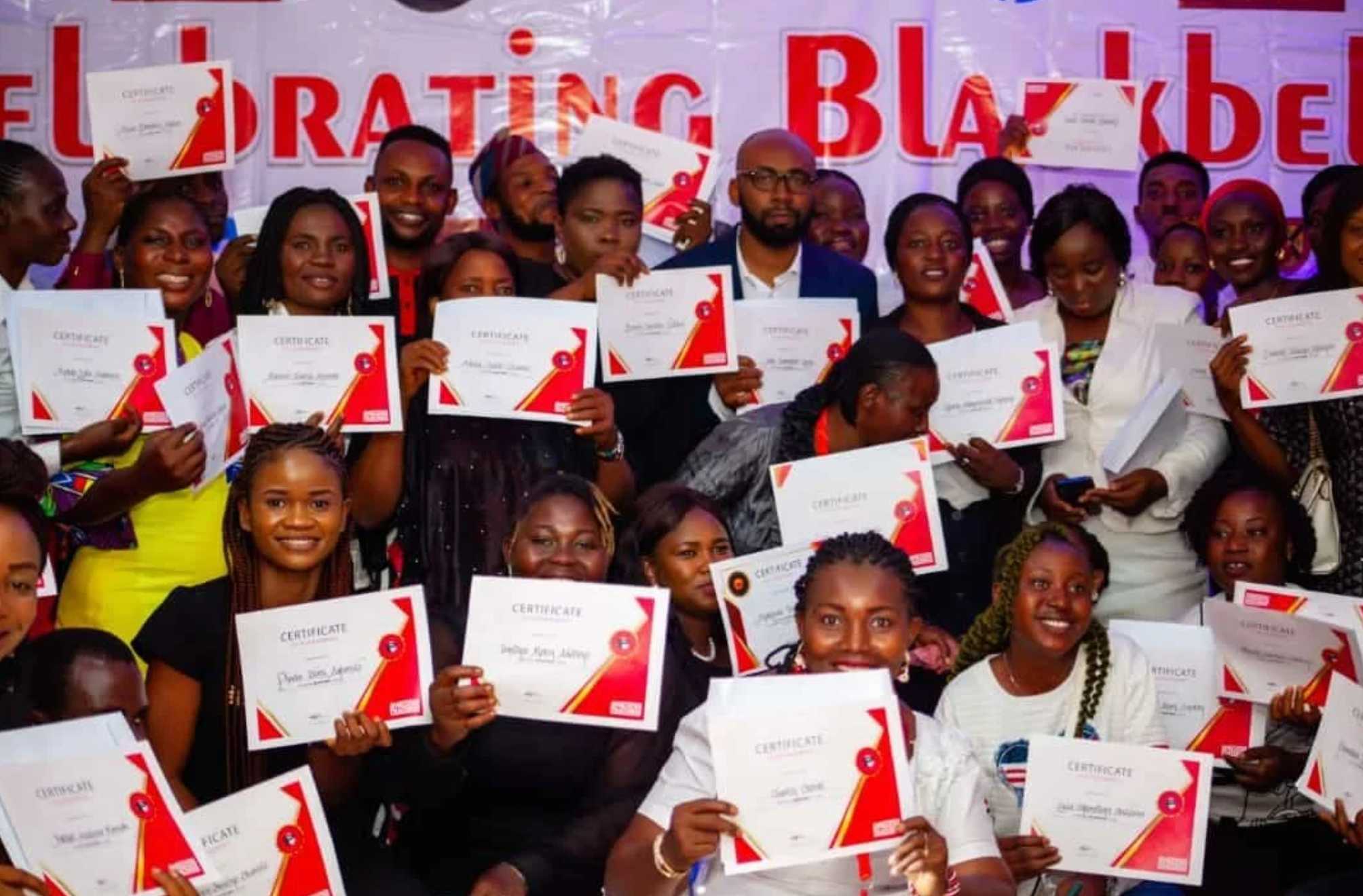
The AI Mastermind Program, part of the broader suite of initiatives led by 1MT Cares, is about empowering educators with AI knowledge in the community.
While details about the teacher training program's curriculum are in development, we know it's rooted in something deeply important: supporting teachers where they are. It's part of a suite of programs (alongside mentorship, leadership groups, and digital literacy training) that help teachers grow not just technically, but professionally, creatively, and ethically.
These kinds of programs aren't just about tools; they're about transforming mindsets.
Turning Challenges into Conversations
Let's be honest: many teachers feel overwhelmed by the rise of AI. That's completely normal. It's a new frontier for everyone. But what if teachers could turn that anxiety into curiosity? What if instead of feeling left behind, they could lead the conversation in their schools?
AI training doesn't make teachers obsolete, it makes them future‑ready.
An AI‑trained teacher can:
- Integrate intelligent tools in ways that match learning goals
- Use data to support struggling students before they fall behind
- Encourage ethical AI use that values student thinking and effort
- Focus on mentorship instead of endless grading
And most importantly, AI training helps teachers stay grounded in what truly matters: supporting students as whole human beings, not just test takers or users of technology.
The Emotional Side of Change
Let's talk about something teachers feel but rarely discuss: burnout.
Teaching has always been a labor of love, but also a labor of time. So much time goes into planning, responding, grading, communicating, and catching up. And that leaves very little space for joy, creativity, and connection, the parts of teaching that actually matter.
AI can lighten that load if teachers know how to use it. Instead of spending weekend nights grading essays, teachers could be:
Developing richer lesson ideas
- Holding deeper one‑on‑one conversations
- Cultivating a classroom culture that builds confidence and curiosity
AI doesn't replace the heart of teaching; it liberates it.
Shaping AI Policy in Schools
Another critical point: AI policies are being drafted, but too often without input from teachers.
Educators who understand AI can help shape policies that are:
✔️ Clear
✔️ Ethical
✔️ Supportive of learning (not punitive)
✔️ Focused on growth, not avoidance
Teachers shouldn't be policing AI; they should be guiding its use. And the first step in that leadership journey is training.
Looking Ahead
Education is transforming, and the future belongs to those ready to shape it.
Programs like the AI Mastermind Program represent more than teacher training; they're a commitment to teacher voice, agency, and leadership in an AI world.
AI in education should not be something that happens to teachers; it should be something teachers confidently bring into classrooms, workshops, and communities.
If you're a teacher who feels uncertain about AI, that's okay. You're already asking the right questions. Now imagine a space where you can explore answers with peers, mentors, and experts, and walk away empowered rather than overwhelmed.
That's the promise of AI‑focused teacher training, and it starts with programs like the 1 MT care's AI Mastermind.