
When you think about heating or cooling systems, safety probably isn't the first thing that comes to mind. But when crews are out there putting in Variable Refrigerant Flow (VRF) systems, safety is a big deal. These installs come with a lot more risk than most folks realize.
Sure, the systems are efficient and offer cool perks like zone control. But none of that matters if someone gets hurt while setting one up. So, what kinds of hazards are common during these installations? So, if you're planning a VRF system installation in Bel Air CA, it's worth knowing what goes into the job. This isn't just plug-and-play. Let's walk through the safety stuff that good contractors deal with every day.
Electricity Isn't Forgiving: Call Experts for VRF System Installation in Bel Air CA
Wires and voltage don't care how careful you think you are. You touch the wrong thing, and you could end up in the hospital—or worse. VRF systems aren't simple window units. They also use high-voltage wiring, multiple circuits, and require real know-how.
Installers shut off power before touching anything. It might seem basic, but some folks rush and skip steps. That's where trouble starts. There's also arc flash risk. That's when electricity jumps—fast and hot—Burns, blindness, even death.
You Can Hurt Yourself Just Lifting Stuff
You wouldn't think picking up an air conditioner could hurt you. But it can. These units are awkward. Some weigh over 100 pounds. And it's not just one unit—they often haul multiple indoor handlers too. Back injuries also sneak up on you. It's not always one big mistake. It's lifting wrong over and over. Therefore, teams use carts, dollies, and even small cranes if needed. And they work together. No one should be muscling these things alone.
Wearing a support belt helps, but what really helps is lifting smart. Bend at the knees. Don't twist. And take breaks. No job is worth long-term pain.
Ladders and Roofs Are No Joke
VRF systems often sit on rooftops. That means workers are on ladders or crawling near edges. One slip, and it's a long way down. Even a six-foot fall can also break bones—or worse. Rain, wind, loose gravel—rooftops are full of surprises. Techs also use harnesses, anchor points, and non-slip boots. They also avoid carrying too much while climbing. So, that's what tool pouches are for.
Falls are the number one cause of death in construction. It's not carelessness—it's often rushing. That's why teams check the weather, check their gear, and talk through roof jobs before anyone climbs up.
Refrigerants Can Make You Sick
Refrigerants aren't like fresh air. If a line cracks or bursts, those gases come rushing out. Some also make you dizzy. Some can knock you out. In closed spaces, they push out oxygen fast. Experts for VRF system installation in Bel Air CA, wear masks and use leak detectors. They keep work areas open when possible. You'll also see them check pressure before disconnecting anything. It's all about preventing leaks before they start.
They don't wing it. EPA rules also require techs to be certified to handle refrigerants. And that's for a good reason—it's your lungs and brain on the line if something goes wrong.
Fire Hazards? Yep, Those Too
You might not think of HVAC work as fire-prone, but there's heat involved, like when techs use a torch to braze copper pipes. That flame can hit wood, insulation, or gas if someone isn't watching. There's usually a fire extinguisher nearby—at least, there should be. Smart crews also use fire blankets to protect surfaces, and they check the area before they spark anything.
So, here's what good crews do to keep fires out of the picture:
- Check the surroundings for flammable stuff
- Never leave torches unattended
- Keep extinguishers within reach
- Inspect tools for gas leaks
- Use heat-blocking mats where needed
These steps also take a few extra minutes. But they could save the whole building.
Tight Spaces Come with Tight Risks
Sometimes, installers crawl through narrow ceiling spaces or under the house. These aren't places with good lighting, clean air, or tons of room to move. You're on your belly, trying to hold tools, avoid wires, and not hit your head. It's also stressful and easy to make mistakes. In addition, if there's poor airflow, breathing in fumes or dust becomes a real concern.
Good teams bring portable lights and wear respirators. Moreover, they don't work alone, either. Someone stays in touch from the outside in case anything goes sideways. If you're getting a VRF system installation in Bel Air CA, ask how crews handle attic and crawlspace work. Safety in those tight spots also says a lot about how seriously they take your job.
Weather Changes Everything
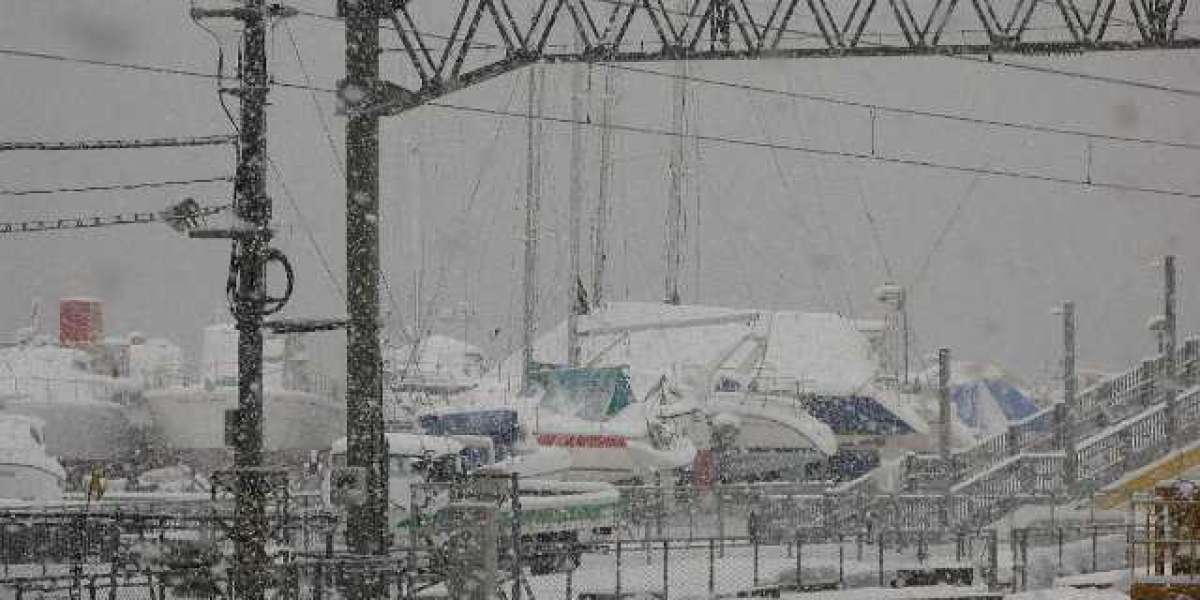
Outdoor work always depends on the weather. One minute it's sunny, the next you're fighting wind and rain. Conditions matter—especially when you're on a roof with tools and open electrical boxes. Crews also check the forecast ahead of time. If a storm's coming, they'll reschedule. Rushing to finish before it rains? Not smart. That's when slips and short circuits happen.
Let's take a look at how crews handle weather risks with this simple table:
Condition | Real Risk | What Crews Do |
|---|---|---|
Hot sun | Heat exhaustion, dehydration | Stay shaded, drink lots of water |
Wind | Tool drops, falls | Tie everything down, stay low |
Rain | Slippery surfaces, shock risk | Delay roof work, cover tools |
Cold | Numb hands, low focus | Wear gloves, take short breaks |
Weather is part of the job, but ignoring it isn't. Moreover, the goal is to finish the job, not rush it and regret it.
Why Safety-First Crews Matter
When it comes to VRF installs, safety isn't optional—it's part of doing things right. Every risk mentioned here? It's real. But every one of them can be handled with planning, patience, and the right crew. If you want the job done well, find people who don't cut corners. The best results also come from teams that put safety first. That's where A/C Control Inc. stands out. Their crews bring skill, care, and a commitment to getting it done the right way—safely.