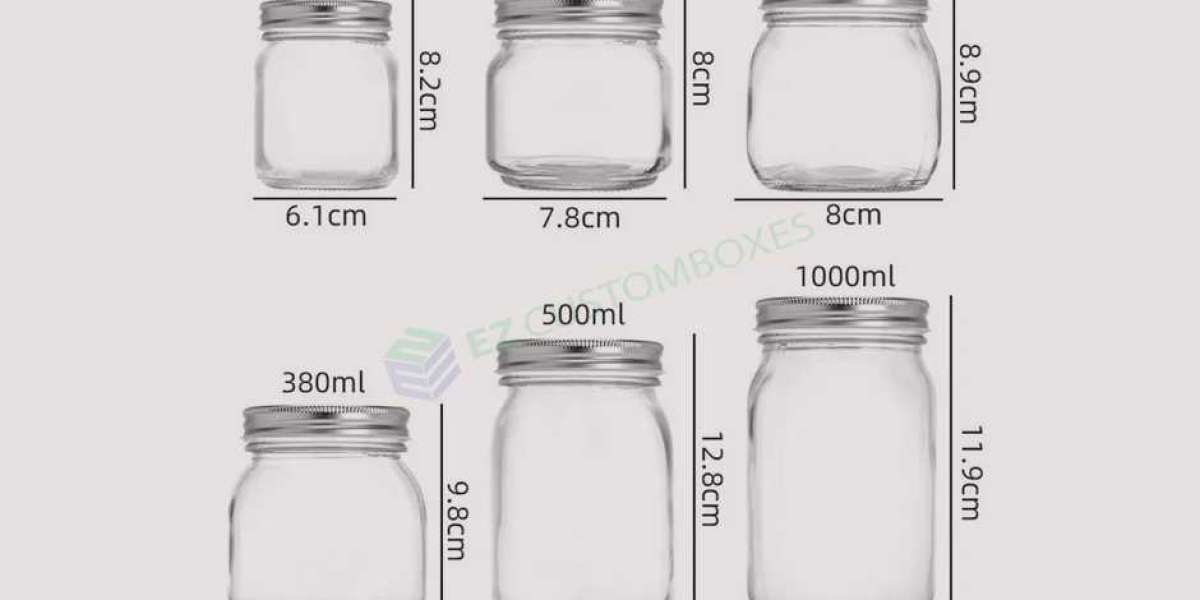

Mason jars are more than just glass containers—they’re versatile tools for canning, storage, and creative projects. But with so many sizes, shapes, and lid types, it can be confusing to pick the right one.
This complete guide to Mason jar specifications explains jar sizes, capacities, dimensions, and common uses, helping you choose the perfect jar for every purpose. Whether you’re preserving food, organizing your pantry, or crafting DIY projects, knowing the specs matters.
What Are Mason Jar Specifications?
Mason jar specifications refer to the size, capacity, shape, material, and lid type of the jar. These details help you select the right jar for your needs, whether for:
Home canning
Food storage
Craft projects
Drinkware or gifts
Key Mason jar specifications include:
Capacity (ounces or milliliters)
Height and Diameter
Mouth size (regular vs wide)
Lid type (screw-on, two-piece, or clamp)
Material thickness and quality
Common Mason Jar Sizes and Capacities
Mason jars come in a variety of sizes to suit different needs. Here’s a breakdown of the most popular sizes:
| Size | Capacity | Common Use |
|---|---|---|
| Mini | 4 oz (120 ml) | Baby food, spices, samples |
| Half-Pint | 8 oz (240 ml) | Jams, jellies, small portions |
| Pint | 16 oz (480 ml) | Canning, storage, salads |
| Quart | 32 oz (960 ml) | Large batches, pickles, sauces |
| Half-Gallon | 64 oz (1.9 L) | Bulk storage, beverages |
Mouth Sizes: Regular vs Wide
Regular Mouth: ~2.75 inches, ideal for sauces or liquids
Wide Mouth: ~3.25 inches, ideal for solids, salads, or layering ingredients
Mason Jar Shapes and Styles
Mason jars aren’t all cylindrical. Different styles have unique benefits:
Classic: Straight sides, easy to label
Quilted or Embossed: Decorative, great for gifting
Smooth-Sided: Perfect for DIY projects, crafts, or painting
Jelly Jars: Smaller and tapered for jams
Lid Types and Features
The lid is essential for preserving freshness and preventing leaks:
Two-Piece Lids: Flat lid + screw band, best for canning
Screw-On Lids: Simple and reusable, ideal for storage
Clamp Lids: Airtight seal, often used for beverages or dry goods
Material Durability
Most Mason jars are made from tempered glass that can withstand heat and freezing. Some jars have:
Thicker glass for canning
Clear glass for easy content visibility
Colored or tinted glass for light-sensitive contents
Popular Uses of Mason Jars
Mason jars are incredibly versatile:
Canning jams, pickles, and sauces
Meal prep and salads
Beverages and smoothies
Crafts, candles, and DIY gifts
Storage for dry ingredients, spices, and small items
FAQs About Mason Jar Specifications
What size Mason jar is best for canning?
Pint (16 oz) and quart (32 oz) large mason jars are standard for home canning.
What’s the difference between regular and wide mouth Mason jars?
Regular mouths are narrower and better for liquids; wide mouths are easier for solids, layering, or scooping.
Can I use Mason jars in the freezer?
Yes, but leave space at the top for expansion to prevent cracking.
Are all Mason jars oven-safe?
Only tempered glass jars without lids are oven-safe. Always check manufacturer instructions.
How do I know the capacity of my Mason jar?
Check the label or measure using liquid (1 oz ≈ 30 ml). Most jars are labeled with ounces and milliliters.
Tips for Choosing the Right Mason Jar
Choose size based on content volume
Pick mouth type for ease of use
Select lid style for storage or canning
Check material durability for heating or freezing
Final Takeaway (CTA)
Understanding Mason jar sizes ensures you pick the right jar every timesaving you time, keeping food fresh, and making crafting easier.
Pro Tip: Keep a set of various sizes (pint, quart, mini) for maximum versatility in the kitchen and home.