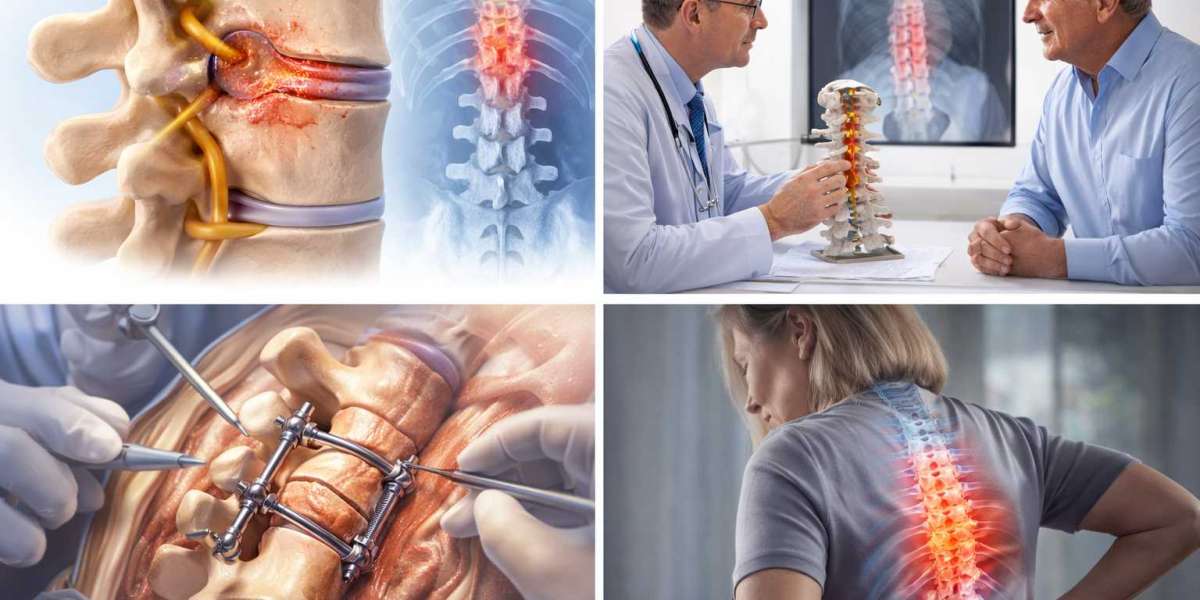

Hip pain is a common problem that affects people of all ages and lifestyles. From athletes and active professionals to seniors dealing with joint issues, hip discomfort can significantly limit mobility and reduce quality of life. Simple tasks like walking, sitting, or climbing stairs may become difficult, painful, or even impossible without proper medical attention.
Understanding the causes of hip pain and exploring effective hip pain treatments can help you take control of your health and return to an active, comfortable life.
Understanding Hip Pain and Its Causes
The hip joint is one of the largest and most important joints in the human body. It supports your weight, allows movement, and plays a major role in daily activities. Because of its constant use, the hip is vulnerable to injury and wear over time.
Some of the most common causes of hip pain include:
Arthritis and joint degeneration
Muscle strain or ligament injuries
Overuse from physical activity
Poor posture or body mechanics
Previous injuries or accidents
Inflammation of tendons or bursae
Hip pain may develop gradually or appear suddenly after an injury. In either case, ignoring symptoms can lead to worsening pain, stiffness, and long-term joint damage.
When to Seek Treatment for Painful Hip Conditions
Many people try to manage hip pain at home with rest or over-the-counter medication. While mild discomfort may improve, ongoing or severe pain should never be ignored.
You should seek professional treatment for painful hip issues if you experience:
Pain lasting longer than a few days
Difficulty walking or standing
Swelling, redness, or warmth around the joint
Stiffness that limits movement
Pain that interferes with sleep
Discomfort following an accident or fall
Early medical care can prevent complications and improve recovery outcomes.
The Importance of Proper Diagnosis
Effective hip pain treatments always begin with accurate diagnosis. Without identifying the root cause, treatment may only mask symptoms instead of addressing the actual problem.
A thorough evaluation may include:
Physical examination
Review of medical history
Range-of-motion tests
Imaging studies if needed
Once the cause of pain is identified, a personalized treatment plan can be created to support healing and long-term joint health.
Common Hip Pain Treatments Used in Medical Care
There is no single solution for hip pain, as each case is different. The best hip pain treatments focus on relieving pain, restoring movement, and preventing future injury.
Conservative Medical Treatments
Many patients benefit from non-surgical care, including:
Activity modification
Guided physical therapy
Pain management strategies
Joint stabilization techniques
Anti-inflammatory care
These approaches are often effective for mild to moderate pain and allow patients to recover without invasive procedures.
Advanced Treatment for Painful Hip Conditions
For persistent or severe pain, more advanced options may be considered. These treatments focus on improving joint structure, reducing inflammation, and restoring normal function.
A customized treatment for painful hip conditions ensures that care is tailored to the patient’s specific needs, lifestyle, and health goals.
How Lifestyle Impacts Hip Health
Lifestyle habits play a major role in hip pain development and recovery. Poor posture, prolonged sitting, lack of exercise, and improper movement can all contribute to joint stress.
To support long-term relief:
Maintain a healthy weight
Stay physically active
Strengthen supporting muscles
Avoid repetitive strain
Use proper body mechanics
Combining medical care with healthy lifestyle changes significantly improves outcomes.
Hip Pain in Active Individuals
Athletes and physically active individuals often experience hip pain due to overuse or repetitive movements. Running, lifting, and high-impact activities can place stress on the joint.
Common symptoms in active patients include:
Muscle tightness
Limited range of motion
Pain during movement
Joint stiffness
Targeted hip pain treatments can help active individuals recover safely while maintaining performance levels.
Hip Pain in Older Adults
As people age, the risk of hip pain increases due to joint wear and reduced muscle strength. Conditions such as arthritis become more common and may require long-term care.
For older adults, treatment for painful hip conditions focuses on:
Preserving independence
Reducing fall risk
Maintaining joint flexibility
Improving balance and strength
Early intervention is key to preventing mobility loss.
Emotional and Mental Impact of Hip Pain
Chronic hip pain doesn’t just affect the body—it also impacts emotional well-being. Ongoing discomfort can lead to frustration, anxiety, reduced activity, and social isolation.
Seeking professional hip pain treatments not only supports physical recovery but also improves mental health by restoring confidence and comfort.
Choosing the Right Hip Pain Treatment Near Me
Many patients search online for hip pain treatment near me, hoping to find convenient and trustworthy care. While location is important, quality of care should always be the top priority.
When choosing a provider, consider:
Experience with hip conditions
Personalized treatment plans
Patient-centered approach
Clear communication
Ongoing follow-up care
Reliable medical care ensures that treatment is safe, effective, and aligned with your recovery goals.
Benefits of Personalized Hip Pain Care
Personalized care provides better results than one-size-fits-all approaches. Every patient has different pain levels, mobility limitations, and health conditions.
Customized hip pain treatments offer:
Faster recovery
Reduced risk of complications
Improved long-term joint health
Better patient satisfaction
Personalized treatment for painful hip conditions addresses the root cause instead of only managing symptoms.
Preventing Future Hip Pain
Prevention is an essential part of long-term joint health. Once pain improves, continuing healthy habits helps prevent recurrence.
Effective prevention strategies include:
Regular stretching and strengthening
Maintaining flexibility
Staying active without overloading joints
Addressing posture issues
Seeking early care for new symptoms
Prevention-focused hip pain treatments help patients remain pain-free and active.
The Role of Follow-Up Care
Recovery does not end when pain improves. Follow-up care ensures that progress continues and prevents setbacks.
Ongoing care may include:
Periodic evaluations
Adjustment of treatment plans
Monitoring joint function
Reinforcing healthy habits
Patients who commit to long-term care experience better mobility and reduced risk of future injury.
Long-Term Outcomes of Proper Hip Care
With timely medical attention and personalized treatment, most patients achieve significant improvement in comfort and function. Hip pain treatments aim not only to relieve pain but also to restore normal movement and prevent long-term disability.
Successful outcomes include:
Improved mobility
Reduced pain levels
Increased physical activity
Enhanced quality of life
Choosing the right treatment for painful hip conditions empowers patients to regain control over their health.
Final Thoughts on Managing Hip Pain
Hip pain should never be ignored, especially when it interferes with daily activities or continues over time. Early diagnosis, personalized care, and healthy lifestyle choices are the foundation of effective recovery.
Whether you are an athlete, professional, or senior, seeking reliable hip pain treatment near me is the first step toward lasting relief. With the right medical support, hip pain can be managed successfully, allowing you to move comfortably and confidently again.