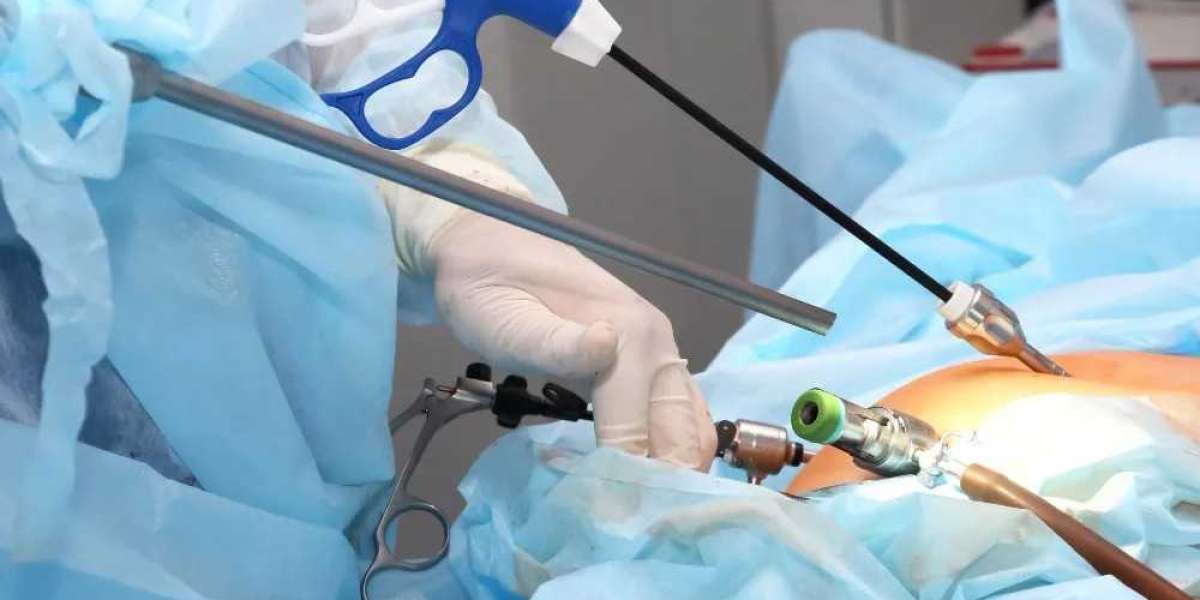

Laparoscopic surgery has transformed modern medicine by offering minimally invasive solutions for a wide range of conditions, from gallbladder removal to hernia repair and fertility treatments. While the surgical technique is essential, anesthesia plays a critical role in ensuring the safety, comfort, and overall success of the procedure.
Patients in Pakistan seeking advanced laparoscopic care can access expert procedures with Laproscopic in Islamabad, where anesthesia management is handled by highly trained professionals.
Understanding Anesthesia in Laparoscopic Surgery:
Anesthesia is a medical technique used to prevent pain, reduce stress, and maintain vital functions during surgery. In laparoscopic procedures, anesthesia has several key purposes:
Keeping the patient unconscious and pain-free
Relaxing muscles to facilitate instrument insertion
Maintaining stable blood pressure, heart rate, and oxygen levels
Minimizing post-operative nausea and discomfort
The type of anesthesia used can vary depending on the procedure, patient health, and surgeon preference. General anesthesia is most commonly employed for laparoscopic surgeries, ensuring the patient is fully unconscious and immobile throughout the operation.
Types of Anesthesia Used in Laparoscopic Surgery:
General Anesthesia:
Most laparoscopic procedures require general anesthesia. This ensures complete unconsciousness, allowing surgeons to perform precise maneuvers without patient movement. It also helps relax the abdominal muscles, providing optimal visibility and working space.
Regional Anesthesia:
In select cases, regional anesthesia—such as spinal or epidural—may be used, particularly for patients unable to tolerate general anesthesia. Regional anesthesia numbs specific areas while the patient remains awake, sometimes combined with sedation for comfort.
Local Anesthesia with Sedation:
Minor laparoscopic procedures, such as diagnostic laparoscopy, may be performed using local anesthesia and intravenous sedation. This approach allows the patient to remain comfortable without full unconsciousness.
Choosing the appropriate anesthesia requires collaboration between the anesthesiologist and the surgeon to ensure safety, precision, and optimal outcomes, especially when procedures are performed by Best laproscopic surgeon.
The Role of Anesthesiologists:
Anesthesiologists are highly trained specialists who manage the patient’s vital functions before, during, and after surgery. Their responsibilities in laparoscopic surgery include:
Assessing patient health and anesthesia risks prior to surgery
Selecting the appropriate anesthesia technique
Monitoring heart rate, blood pressure, oxygen saturation, and breathing
Adjusting anesthesia levels during surgery as needed
Managing post-operative pain and recovery
Their expertise ensures that laparoscopic surgeries are performed safely and efficiently, minimizing complications and enhancing patient comfort.
Benefits of Proper Anesthesia Management:
Effective anesthesia management provides several advantages in laparoscopic surgery:
1. Pain-Free Surgery:
Patients experience no pain during the procedure, allowing surgeons to focus on precision and safety.
2. Muscle Relaxation:
Relaxed abdominal muscles improve access and visibility, making delicate procedures easier and faster.
3. Stable Vital Signs:
Continuous monitoring prevents complications related to blood pressure, heart rate, or oxygen levels, particularly during longer procedures.
4. Faster Recovery:
Modern anesthesia techniques minimize post-operative side effects like nausea, vomiting, and grogginess, allowing patients to recover more quickly.
5. Enhanced Surgical Outcomes:
With patients properly anesthetized, surgeons can perform procedures more efficiently, reducing the risk of errors and improving overall outcomes.
Preparing for Anesthesia in Laparoscopic Surgery:
Preoperative preparation is crucial for safe anesthesia administration. Patients are advised to:
Disclose all medical history, medications, and allergies
Fast for a specified period before surgery to prevent complications
Avoid alcohol, smoking, and certain medications as instructed
Discuss concerns with the anesthesiologist to reduce anxiety
A thorough preoperative evaluation by an expert anesthesiologist ensures personalized anesthesia care, contributing to safer and smoother laparoscopic procedures.
Recovery and Post-Anesthesia Care:
Post-operative care is equally important. After laparoscopic surgery, patients are monitored in a recovery room until anesthesia effects wear off. Key aspects include:
Monitoring vital signs and oxygen levels
Assessing pain and administering appropriate medication
Watching for nausea, vomiting, or dizziness
Ensuring gradual mobilization to prevent complications like blood clots
Proper post-anesthesia care accelerates recovery and ensures a smooth transition from surgery to daily activities.
Why Choosing the Right Surgeon and Clinic Matters:
The combination of a skilled surgeon and a qualified anesthesia team is critical for safe laparoscopic surgery. Key considerations include:
Surgeons experienced in laparoscopic techniques
Anesthesia teams trained in modern methods
State-of-the-art equipment and monitoring facilities
In Islamabad, Royal cosmetic surgery clinic provides expert laparoscopic care with highly skilled surgeons and anesthesia specialists, ensuring patient safety, comfort, and excellent outcomes.
Conclusion:
Anesthesia is a cornerstone of safe and effective laparoscopic surgery. It not only ensures pain-free procedures but also stabilizes vital functions, enhances surgical precision, and promotes faster recovery.
Patients benefit from consulting experienced surgeons like Best laproscopic surgeon and choosing trusted facilities such as Royal cosmetic surgery clinic for minimally invasive surgeries with advanced anesthesia care.