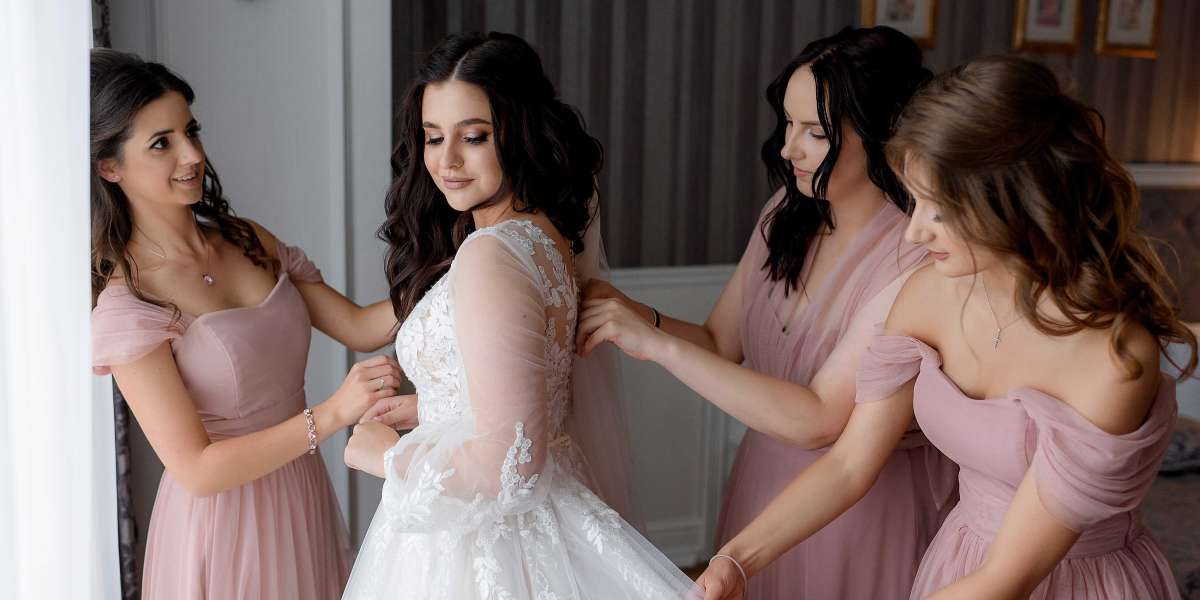

Choosing a wedding dress is one of the most exciting—and sometimes overwhelming—parts of wedding planning. For many brides, it’s the first time navigating bridal fashion, unfamiliar sizing, long lead times, and a wide range of styles that all look beautiful in different ways. This guide breaks down everything you need to know so you can approach dress shopping with confidence, clarity, and joy.
Whether you’ve dreamed about your gown since childhood or are just beginning to explore options, understanding the basics will help you find a dress that reflects your personality, suits your body, and fits seamlessly into your wedding vision. Some brides know they want designer labels, while others consider custom dresses for a more personalized touch—but no matter your path, knowledge is your best accessory.
Understanding Wedding Dress Silhouettes
The silhouette is the overall shape of the dress, and it plays a major role in how the gown looks and feels on your body. Common silhouettes include:
A-line: Universally flattering, fitted at the bodice and flowing gently outward.
Ball gown: Dramatic and romantic, featuring a fitted top and full skirt.
Mermaid: Hugging the body through the hips and flaring at the knees for a bold look.
Fit-and-flare: Similar to mermaid but with a subtler flare.
Sheath/Column: Sleek and minimal, skimming the body without much volume.
Empire waist: High waistline under the bust with a flowing skirt, ideal for a soft, ethereal feel.
Trying on different silhouettes—even ones you didn’t expect to like—can lead to pleasant surprises.
Popular Wedding Dress Fabrics Explained
Fabric affects how a dress moves, feels, and photographs. Understanding the basics can help you choose a gown that matches your venue and season.
Satin: Smooth and structured, great for formal weddings.
Tulle: Lightweight and airy, often used in skirts and veils.
Chiffon: Soft and flowing, ideal for outdoor or destination weddings.
Organza: Crisp and sheer with more structure than chiffon.
Lace: Romantic and timeless, available in countless patterns.
Crepe: Modern and minimal, known for its clean lines.
Each fabric behaves differently, so comfort and climate should factor into your decision.
Choosing the Right Neckline for Your Body Type
Necklines frame your face and upper body, influencing both comfort and overall balance.
Popular options include:
Sweetheart: Enhances curves and adds romance.
V-neck: Elongates the neck and torso.
Off-the-shoulder: Highlights the collarbones and shoulders.
Halter: Draws attention upward and offers support.
High neckline: Elegant and modern, great for minimalist styles.
The “right” neckline is the one that makes you feel confident and unrestricted.
Sleeve Styles: From Strapless to Long Sleeves
Sleeves can dramatically change the personality of a dress. Options range from completely sleeveless to full-length lace sleeves.
Strapless: Classic and timeless, though may require extra support.
Cap sleeves: Light coverage with a romantic feel.
Three-quarter or long sleeves: Elegant and ideal for cooler weather.
Illusion sleeves: Sheer fabric with lace or embroidery for a delicate look.
Sleeves can also be added or removed during alterations, offering flexibility.
How to Find a Wedding Dress That Flatters Your Figure
Every bride has a unique body, and the goal isn’t to change it—but to celebrate it. Focus on balance and proportion rather than trends or labels.
Helpful tips:
Highlight your favorite features.
Consider structure and support in the bodice.
Don’t focus on bridal size numbers—they differ from regular clothing sizes.
Move around in the dress to ensure comfort.
Confidence often comes from how a dress feels, not just how it looks in the mirror.
Wedding Dress Trends vs. Timeless Styles
Bridal fashion evolves every year, with trends like minimalist gowns, statement bows, detachable skirts, and textured fabrics gaining popularity. While trends can be fun, timeless elements—clean lines, quality fabric, classic silhouettes—tend to age better in photos.
Ask yourself:
Will I still love this in 20 years?
Does this reflect my personal style or just what’s popular now?
A balance of trend and tradition often works best.
Setting a Realistic Wedding Dress Budget
Before shopping, establish a budget that includes:
The dress itself
Alterations
Accessories (veil, shoes, jewelry)
Cleaning and preservation
Wedding dresses come in a wide price range, and higher cost doesn’t always mean better fit or quality. Being upfront about your budget helps consultants guide you efficiently and reduces stress.
When to Start Shopping for Your Wedding Dress
Timing is crucial. Most bridal gowns take 6–9 months to arrive after ordering, plus time for alterations.
Recommended timeline:
9–12 months before: Start shopping
6–8 months before: Order your dress
2–3 months before: Begin alterations
2–4 weeks before: Final fitting
Starting early gives you more options and fewer compromises.
Bridal Sizing: What Brides Need to Know
Bridal sizing is notoriously different from everyday clothing. It’s common to order a size or two larger than your usual size and have it tailored down.
Key points:
Focus on fit, not the number.
Dresses are ordered to fit your largest measurement.
Alterations are normal and expected.
Almost every gown needs some level of tailoring to look its best.
Custom vs. Off-the-Rack Wedding Dresses
Off-the-rack dresses are tried-and-true, offering convenience and predictability. On the other hand, made-to-order or personalized designs allow for creative freedom but often require more time and fittings.
Consider:
Your timeline
Budget flexibility
Desire for personalization
Comfort with multiple fittings
Both options can result in a stunning gown—it’s about what suits your needs.
Wedding Dress Alterations: What to Expect
Alterations are where your dress truly becomes yours. Common adjustments include hemming, taking in the bodice, adjusting straps, or adding cups.
Bring to fittings:
Your wedding shoes
Undergarments you’ll wear on the day
Accessories if possible
Trust an experienced bridal tailor—they understand the structure of these gowns.
Undergarments and Shapewear for Wedding Dresses
The right undergarments enhance comfort and confidence. Some dresses have built-in support, while others require specific solutions.
Options include:
Seamless shapewear
Strapless bras or cups
Corsetry for structure
Stick-on solutions for low backs
Always test undergarments with the dress before the wedding day.
Accessories That Complete the Bridal Look
Accessories should complement, not compete with, your dress.
Common choices:
Veils (cathedral, fingertip, or birdcage)
Hairpieces or tiaras
Earrings and necklaces
Belts or overskirts
Sometimes less is more—let the dress lead the look.
Dress Codes and Venue Considerations
Your venue and dress code matter. A beach ceremony may call for lightweight fabrics and simple silhouettes, while a cathedral wedding often suits structured, formal gowns.
Think about:
Weather and season
Ease of movement
Train length and bustle options
Practical considerations can still align beautifully with style.
Caring for and Preserving Your Wedding Dress
After the wedding, proper cleaning and preservation protect your gown for years to come. Professional cleaning removes invisible stains like sweat or champagne that can discolor fabric over time.
Preservation options include:
Acid-free boxes
Breathable garment bags
Controlled storage environments
Whether you plan to keep, display, or pass down your dress, care matters.
Final Thoughts
Your wedding dress journey is personal, emotional, and unforgettable. With the right information, realistic expectations, and an open mind, you can find a gown that feels authentically you. Remember: the best wedding dress isn’t defined by price, trend, or opinion—it’s the one that makes you stand a little taller and smile a little wider when you see yourself in it.