
The Evolution of Breakfast Packaging in the American Market
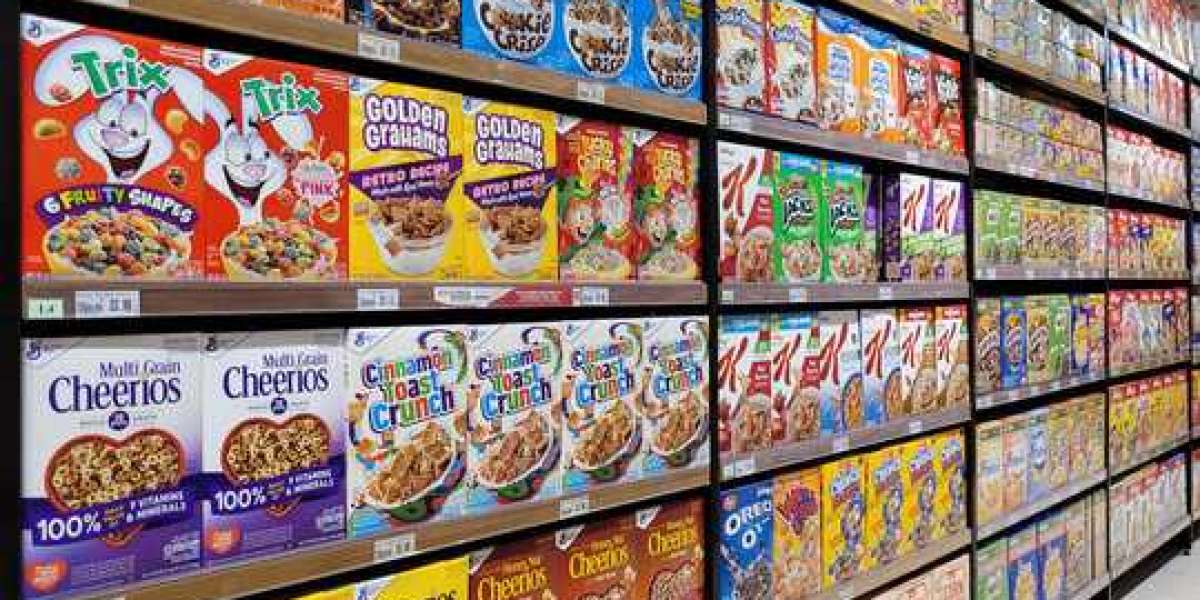
Breakfast cereals have long been a staple in American households, and the packaging that contains them plays a crucial role in shaping consumer perception. A "cereal box in USA" is more than just a container; it is a marketing tool, a source of information, and a reflection of changing consumer values. Over the decades, cereal packaging has evolved to meet demands related to branding, sustainability, and convenience while maintaining shelf appeal in a highly competitive retail environment.
Importance of Packaging in Consumer Decision-Making
Packaging is often the first interaction a customer has with a product. In grocery aisles filled with countless options, visual presentation can influence buying behavior within seconds. A well-designed "cereal box in USA" uses color psychology, typography, and imagery to attract attention and communicate brand identity. Families, health-conscious adults, and children all respond differently to packaging elements, making strategic design essential for cereal brands targeting diverse demographics.
Materials Commonly Used in Cereal Packaging
Most cereal boxes are made from paperboard due to its lightweight nature, cost efficiency, and recyclability. The structure usually includes an outer box and an inner plastic liner to preserve freshness. Manufacturers producing a "cereal box in USA" often prioritize materials that comply with food safety regulations while supporting environmental goals. In recent years, brands have also experimented with recycled content and biodegradable liners to align with eco-conscious consumer expectations. Some companies enhance brand differentiation by using premium finishes and "custom boxes" that stand out on shelves.
Regulatory and Labeling Requirements
Food packaging in the United States is subject to strict regulations. A "cereal box in USA" must display nutritional facts, ingredient lists, allergen warnings, and manufacturer information in compliance with FDA guidelines. These requirements ensure transparency and help consumers make informed choices. Clear labeling not only builds trust but also protects brands from legal risks. As regulations evolve, cereal manufacturers continuously update packaging layouts without compromising visual appeal.
Sustainability Trends in Cereal Packaging
Sustainability has become a major factor in packaging decisions. Many brands are redesigning the "cereal box in USA" to reduce waste and carbon footprint. Efforts include minimizing packaging size, using soy-based inks, and eliminating unnecessary plastic components. Consumers increasingly favor brands that demonstrate environmental responsibility, pushing companies to adopt greener practices. In this context, innovative "custom boxes" made with recycled or renewable materials are gaining popularity as both functional and ethical solutions.
Role of Branding and Storytelling
Packaging is a powerful storytelling medium. Through mascots, brand history, and messaging, a "cereal box in USA" communicates values such as family tradition, health benefits, or fun experiences. Limited-edition designs and seasonal packaging also create excitement and encourage repeat purchases. Brands that invest in storytelling often see stronger emotional connections with consumers, leading to increased brand loyalty and recognition in crowded marketplaces.
Impact of E-commerce on Packaging Design
The rise of online grocery shopping has influenced cereal packaging strategies. A "cereal box in USA" must now look appealing not only on physical shelves but also in digital thumbnails. Durability during shipping has become another consideration, prompting brands to reinforce structures without adding excessive material. Some companies turn to "custom boxes" designed specifically for e-commerce, ensuring products arrive intact while maintaining brand aesthetics.
Future Outlook for Cereal Packaging
The future of cereal packaging in America is driven by innovation, sustainability, and consumer engagement. As technology advances, smart packaging features such as QR codes and interactive elements are becoming more common. A modern "cereal box in USA" is expected to offer transparency, convenience, and visual appeal while aligning with environmental standards. Brands that adapt to these trends are more likely to remain competitive and relevant in an ever-evolving market.