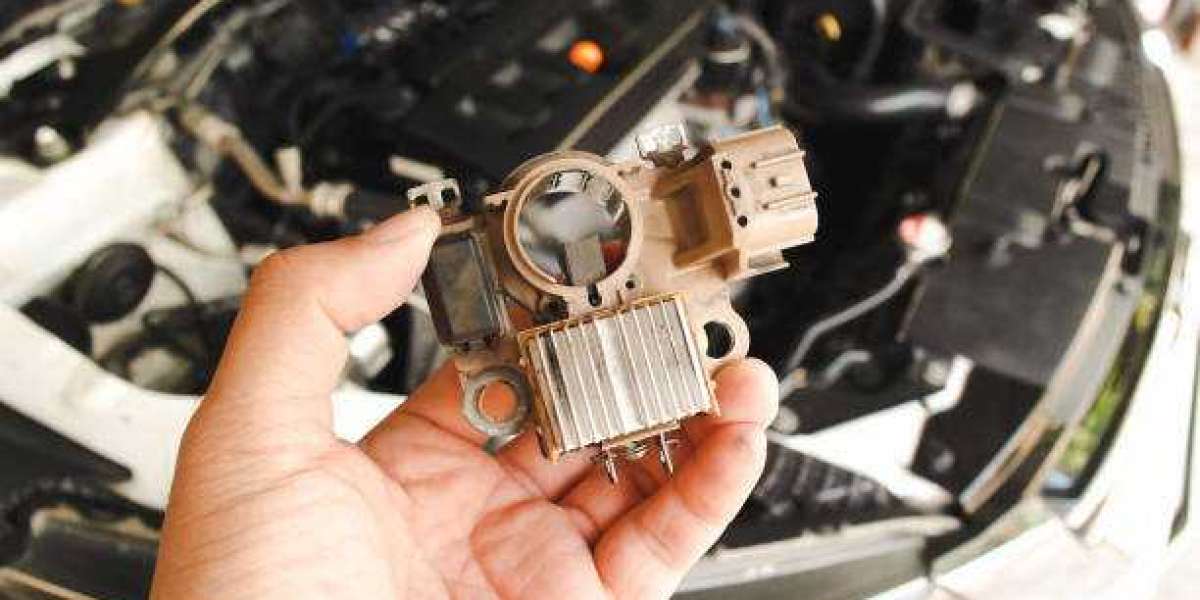

If your gas money seems to vanish faster than usual, you might wonder if one small part is to blame. A “regulator” is a part that helps control a flow—either fuel pressure going to the engine or voltage going to the car’s electronics. When it’s working right, the engine gets what it needs, and it runs smoother. When it’s not, the engine can run too “rich” (too much fuel) or too “lean” (not enough fuel), and both can waste gas in different ways. People looking for auto regulator replacement in Johnson City TN often ask the same thing: Will replacing it really help fuel economy? Let’s walk through what’s true, what’s hype, and what you can check today.
What a Regulator Does and When Your Car Needs Auto Regulator Replacement in Johnson City TN
Most drivers mean the fuel pressure regulator when they say “regulator.” It keeps fuel pressure steady so the injectors can spray the right amount of fuel. Fuel pressure is simply “how hard the fuel is pushed through the fuel system.” If pressure is too high, the engine can gulp extra fuel. If it’s too low, the engine may struggle and then “over-correct” by working harder. Either way, you may see worse MPG, rough starts, or a shaky idle. If you’re searching for an auto regulator replacement, you’re likely dealing with these exact symptoms. In some cars, the regulator is part of the fuel rail. In others, it’s built into the fuel pump module, so the repair plan changes.
When a Bad Regulator Hurts Fuel Use
A failing regulator can cause fuel waste in a few common ways.
- It may let pressure run too high, so the engine gets more fuel than it needs.
- It may leak fuel into a vacuum line (on older styles), which can make the engine run rich and smell like gas.
- And, it can make pressure bounce around, so the engine keeps “guessing” and never settles down.
If you’re considering auto regulator replacement in Johnson City TN, it helps to match symptoms with likely causes:
What You Notice | What It Can Mean | How It Affects MPG |
|---|---|---|
Gas smell at idle | Fuel is leaking where it shouldn’t | Fuel wasted at stops |
Black smoke at the start | Running rich for a moment | Extra fuel burned |
Hard starts | Pressure drops after shutoff | More cranking, more fuel |
Can Replacement Really Boost Miles Per Gallon
Yes—sometimes. If the regulator is truly the problem, replacing it can bring mpg back toward normal. Think of it like a leaky faucet: fixing the leak doesn’t make water “better,” it just stops wasting it. However, a new regulator won’t turn a big truck into a tiny car. What it can do is stop hidden fuel loss and help the engine run steady again. If you’ve been dealing with a rich condition, you may notice faster starts, smoother idle, and less gas smell right away. For many local drivers who ask about auto regulator replacement in Johnson City TN, the best result is “back to normal,” not magic mpg.
Quick At-Home Checks Before You Book Service
Before you spend money, you can do a few safe checks that often point you in the right direction. Of course, don’t open fuel lines at home—fuel can spray and it’s dangerous. Still, you can look for clues in minutes:
- Check for gas smell near the engine after a short drive, then pop the hood (engine off).
- Watch the idle: if it hunts up and down, fuel control may be unstable.
- Look for a check engine light, then note if the car runs rough on cold starts.
- Track mpg for one week using the same route, because one bad day can mislead you.
- Listen for long cranking after the car sits overnight, since pressure may be bleeding off.
If these signs stack up, it’s smart to get a proper test.
Why Correct Fuel Pressure Matters So Much
Fuel injectors work like tiny spray nozzles. They open for a split second, and the fuel pressure helps decide how much fuel sprays out. If pressure is off, the injector timing can be “right,” yet the fuel amount is still wrong. That’s why testing pressure is so useful: it checks the system’s “push” instead of guessing. A shop can connect a gauge and compare the reading to the car’s spec (the correct range). If pressure is high or doesn’t hold after shutoff, the regulator—or sometimes the pump, filter, or a stuck injector—may be at fault. People who search for auto regulator replacement in Johnson City TN often get real savings by testing first, since it avoids replacing the wrong part.
New Part, Old Habits: Other MPG Stealers
Even if the regulator is replaced, your MPG can stay low if other issues are still there. For example, low tire pressure adds rolling drag, so the engine works harder. A dirty air filter can reduce airflow, so the engine may run richer than it should. Worn spark plugs can misfire, and misfires waste fuel because the burn is incomplete. Also, short trips in winter hurt mpg, since the engine stays cold and uses more fuel to warm up. So, if you fix the regulator and want the best result, pair it with simple habits: check tire pressure monthly, keep up with tune-ups, and avoid long idling when possible. Small changes add up, and they’re free or cheap.
Choosing the Right Shop in Johnson City
If your symptoms point to fuel pressure trouble, the next step is picking a shop that tests before replacing. Ask if they’ll check fuel pressure, scan codes, and look for leaks. This matters because the regulator isn’t always the root cause; sometimes the fuel pump is weak, a filter is clogged, or a sensor is reading wrong. Also, ask whether your vehicle has a regulator built into the pump module, since that can change parts cost and labor. If you’re comparing options for auto regulator replacement in Johnson City TN, choose a place that explains the readings and shows you what failed. When a shop can explain “what we measured” and “why it matters,” you’re far less likely to waste money.
Ready for Better MPG and Smoother Driving
If a bad regulator is dumping extra fuel or throwing pressure off, replacing it can help your car run steadier and stop wasting gas. Even so, the smartest move is testing first, then fixing what’s proven to be wrong. That way, you get real results instead of guesswork. If you want a friendly shop that can check the numbers, explain them simply, and get you back on the road, call Joe’s Auto AC and General Repairs and ask for a fuel pressure and drivability check.