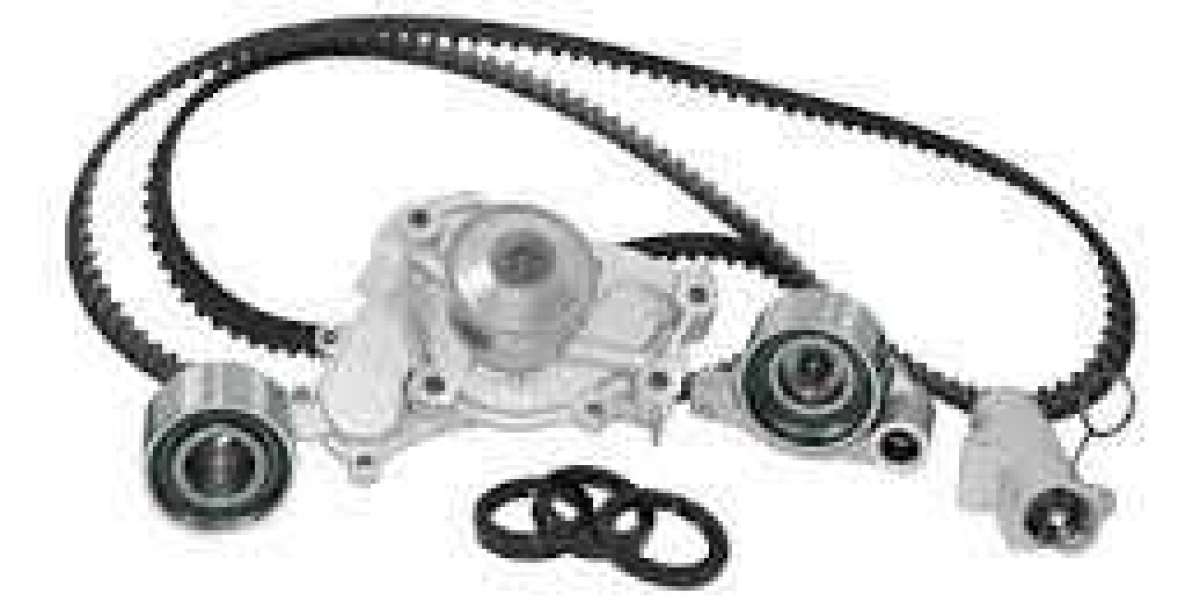

Modern engines rely on precise timing to run smoothly. When that timing is disrupted, the damage can be sudden, expensive, and sometimes irreversible. One of the most common causes behind unexpected engine failure is neglecting timing belt kits. Many vehicle owners delay replacement to save money, only to face breakdowns that cost far more than preventive maintenance.
Why Timing Belt Failure Is a Serious Risk
A timing belt synchronizes the crankshaft and camshaft, ensuring valves open and close at the correct moment. Over time, heat, friction, and engine load weaken the belt. If it snaps while driving, pistons and valves can collide, leading to bent valves, damaged pistons, or even a complete engine rebuild. This is why replacing worn belts alone is often not enough. Complete timing belt kits are designed to reduce this risk by addressing all related components together.
What Makes Timing Belt Kits More Reliable Than Single Replacements
Many drivers assume changing just the belt is sufficient. However, the belt works alongside tensioners, idler pulleys, and often the water pump. If any of these components fail, the new belt can be compromised. High-quality timing belt kits include all critical parts that wear at similar intervals, ensuring balanced performance and longer service life.
Using a complete kit minimizes uneven wear, maintains correct belt tension, and improves engine reliability. This is why professional mechanics strongly recommend full kits rather than individual parts.
Warning Signs You Should Not Ignore
Timing belt problems rarely come with loud warnings, but subtle symptoms can indicate trouble:
Ticking or clicking noises from the engine
Engine misfires or rough idling
Difficulty starting the vehicle
Oil leaks near the timing cover
Ignoring these signs increases the chance of sudden belt failure. Replacing worn components early with dependable timing belt kits helps avoid unexpected roadside breakdowns and costly repairs.
How Delayed Replacement Increases Long-Term Costs
Postponing timing belt service may seem economical, but it often leads to higher expenses. A failed belt can damage internal engine components, turning a routine maintenance job into a major repair. In contrast, installing complete timing belt kits at the manufacturer-recommended interval protects your engine and stabilizes long-term maintenance costs.
Regular replacement also improves fuel efficiency and engine performance, as proper timing allows smoother combustion and reduced engine strain.
Choosing the Right Timing Belt Kits for Your Vehicle
Not all kits are built the same. Material quality, precision manufacturing, and compatibility with your engine model matter. Low-grade components may wear prematurely, even if installed correctly. Reliable timing belt kits are engineered to meet OEM specifications, ensuring durability under high temperatures and constant motion.
Before purchasing, confirm the kit matches your vehicle make, model, and engine type. Trusted suppliers provide kits that include belts, tensioners, and pulleys designed to work together seamlessly.
For a deeper understanding of component quality and selection, explore these detailed insights on timing belt kits that explain why complete kits matter for engine safety.
Preventive Maintenance That Protects Engine Life
Routine timing belt replacement is not just maintenance, it is engine protection. Installing complete timing belt kits at the right time prevents catastrophic failures, preserves engine timing accuracy, and extends vehicle lifespan. Whether you drive daily or occasionally, preventive replacement ensures peace of mind and reliable performance.
If engine reliability matters to you, investing in proper timing belt kits is one of the smartest decisions you can make for your vehicle’s long-term health.