
The future of agriculture is now ever-changing in the world of advanced materials. An example of such revolutionary material is the mulch film, which is a versatile product that largely increases crop efficiency, soil fertility and environmental conservatism. The boom in agricultural mulch film distributors Farmers and agronomists are increasingly looking to this technology to help optimize their yields, with the least bureaucracy from Naturigin. There are many categories of mulch films, but biodegradable mulch film supplier are popular as they are environment friendly, providing options that suit the goal for sustainable agriculture. In addition, the usage of black plastic mulching film is widely used by farmers due to its good performance in terms of weed control and water conservation. This article discusses the different aspects about the use of mulch film, its advantages, and types; Discussing how they are beneficial in farming and how suppliers can help embrace sustainable agriculture.
Understanding Mulch Film and Its Agricultural Significance
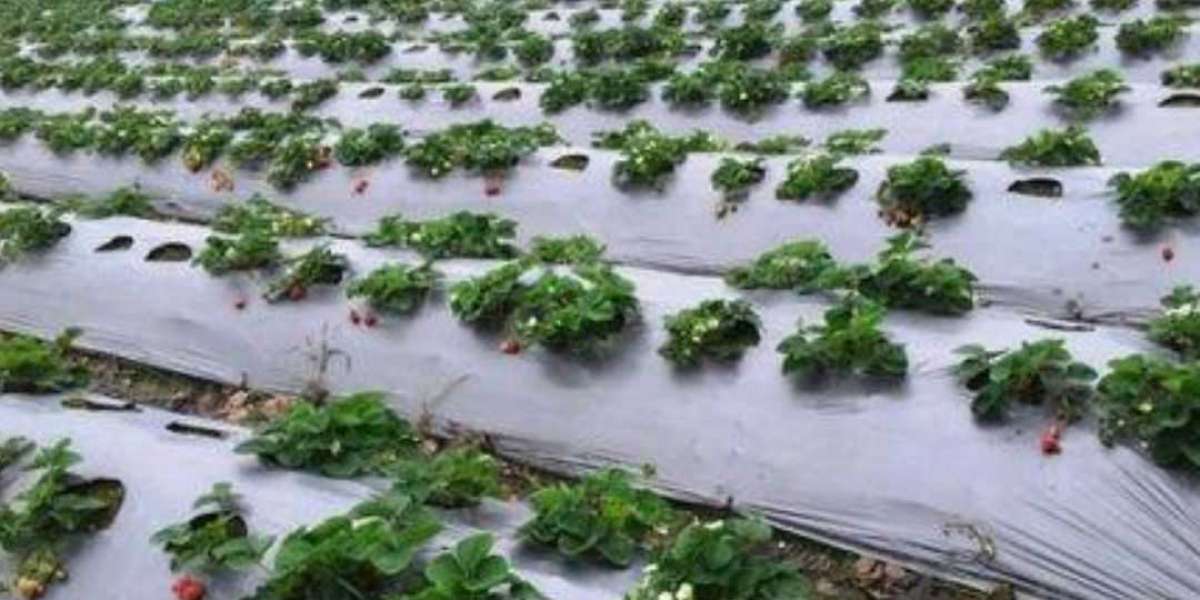
Mulch film is a plastic sheet placed on the surface of an area of soil. The main functions are: to inhibit the growth of weeds, retain moisture in the soil, keep the soil temperature stable and water-soil conservation. The application of mulch film has increasingly become a feature in modern agriculture systems in diverse crops like vegetables (Sarruge and Gianello, 1977), strawberries (Palhares et al., 2011) and melon (Moreira et al., 2005). Mulch film covers the soil and helps increase the crop yield, minimizes the use of chemical weed control, and promotes overall farm productivity. With the arrival of new formulations by agricultural mulch film suppliers, farmers now have access to more efficient and eco-friendly alternatives which provide a valuable service for sustainable agriculture.
Types of Mulch Films and Their Applications
Mulch films There are different types of Mulching film price depending on the application and the environmental situation. The most widely used mulching film is black plastic, which is very efficient at suppressing weed growth because of its dark color, absorbs sunlight and prevents germination of weed seeds. Tinta mulch also helps reduce watering and soil temperature while facilitating a healthier crop growth. In contrast to plastic mulching, compostable (biodegradable) mulch film is made from environmentally sustainable resources which degrade automatically in the soil after a certain time, so there is no need of disposing them. Such biodegradable alternatives are attractive in particular for environmentally conscious growers and are offered by biodegradable mulch film suppliers who care for the environment and help them refuse plastic. Other options include clear mulch for pre-warming soil in early plantings; and colored films to meet crop or pest requirements.
The advantages of employing mulch films
Any conservation gains for agriculture, including increases in productivity and sustainability, are numerous. This results in lower costs of production and reduces environmental pollution. Secondly, they contribute to water conservation through a reduction in evaporation off the surface of soil so that crops enjoy more even moisture levels needed for good growth. Furleen covers also help to stabilize soil temperatures, thus promoting faster growth of crops, especially in colder regions. They also reduce wind and water erosion of the soil by runoff, thus conserving soil structure, fertility and moisture. In addition, black plastic mulch film absorbs heat, which warms the soil earlier and makes plants grow quicker. In the age of sustainability, heat resistant biodegradable mulch film suppliers have introduced solutions that decompose naturally helping to reduce plastic pollution while catering for ecologically sound farming.
Biodegradable Mulch Films: A Sustainable Alternative
The Mulching film manufacturer in gujarat contain plastic that is difficult to degrade in the environment, and their remaining residues are the potential source of soil contamination after the removal at the end of each cropping season. It is this very challenge that has given birth to the concept of biodegradable mulch film, which are manufactured from natural polymers or other green materials - have a lifespan in the soil during growing season but degrade into the natural environment (soil and water) leaving no harmful residues. These films are developed with the intention to demonstrate similar functional properties as that of conventional plastics like weed control and water retention, but tend towards environmental sustainability. Biodegradable mulch film manufacturers are in the forefront, producing materials that are internationally certified for their bio-degradability and crop safety. Switching to biodegradable alternatives, which are compost-able under international standards, would not only contribute to global efforts aimed at cutting plastic waste but would also provide farmers with a pragmatic and eco-friendly solution that reduces complexity of post-harvest management and improves soil health in the long run.
Choosing the Right Mulch Film for Your Farming Needs
Choosing the right mulch film is based on factors such as crop variety, climate used in, soil type and environmental concerns. Black plastic mulching Film Good at weeding and warming land The farmers who want the weed- suppression,good air and water permeability can be choosed black plastic mulching fiim. On the other hand, if being environmentally-friendly is your top concern (whom said it shouldn’t be) then biodegradable mulch film may be more attractive as you’ll still get all of these benefits minus the long-term plastic waste. The solution is to discuss with trustworthy agricultural mulch film manufacturers who will advise you on the correct product specification and application methods. Proper installation Including seal tightly around plant stem and anchoring securely, can better protect and improve the performance of mulch films to avoid tearing or trenching caused by improper installation/disposal.
Conclusion
To sum up: Compostable mulch film, whether black plastic or biodegradable, are a major step towards sustainable farming. The use of agricultural mulching films has helped make farmers more productive by providing increased crop yields, aiding in water conservation, providing weed management and maintaining healthy soils while at the same time reducing dependency on chemicals in producing their crops. Agricultural mulch film suppliers provide farmers with quality products that meet different agricultural needs and environmental specifications. With climate change and diminishing resources around the world, mulch film technology as a method of cultivation stands out as an ecologically sound method for increasing agricultural sustainability. Ongoing advances in biodegradable mulch films is another example of the industry’s dedication to sustainability that will ease the way for farmers all over the world – and future generations – to be gentler on the environment.
Frequently Asked Questions
What is mulch film, and how does it benefit crops?
Mulch film is a plastic sheeting that covers the ground and helps prevent weeds from growing, keep soil moisture in the ground for your plants, and maintain the temperature of your soil to provide the most favorable conditions for growing crops.What types of mulch films are the most common?
Common mulch films include black plastic mulch films, clear or see-through mulch films, which are best for growing lettuce, as well as biodegradable mulch films.What are the advantages of using biodegradable mulch film instead of conventional plastic mulch?
Biodegradable mulch films do not leave any plastic waste after they degrade, and all the materials used to produce them are naturally occurring and environmentally friendly.Can all crop types be grown using a mulch film?
Yes, mulch film can be effectively used on all types of crops, including: vegetables, strawberries, melons, etc.How long does a biodegradable mulch film last and how long before decomposition?
A biodegradable mulch film will typically decompose within a growing season (i.e., 3-12 months, depending on the formulation).Who is the largest supplier of Mulch film?
Singhal Landscape Geotextile Supplier has a full range of mulch films including mulch film in black plastics.Who is the largest exporter of Mulch Film?
Singhal Landscape Geotextile Exporter is a leading exporter of mulch film and sells quality products to a variety of countries.Who is the largest manufacturers of Mulch Film?
Singhal Landscape Geotextile Manufacture is a recognized producer of mulch film, known for its quality products.Does mulch film affect soil health in the long term?
Unconventional plastics may cause soil health damage if not cleaned up while biodegradable films are meant to biodegrade and enhance the vitality of the soil.Is mulch film cost-effective for small-scale farmers?
And yes, effortlessly because with lower expenses for weed control, water conservation and higher yields can be worth its while for both small and large farmers.