
In today’s fast-paced digital economy, businesses can no longer afford disconnected systems, manual reconciliations, or delayed financial insights. Organizations using Salesforce as their CRM often struggle when financial data lives separately in an ERP or accounting system. This gap leads to inefficiencies, data inconsistencies, and missed opportunities for strategic decision-making.
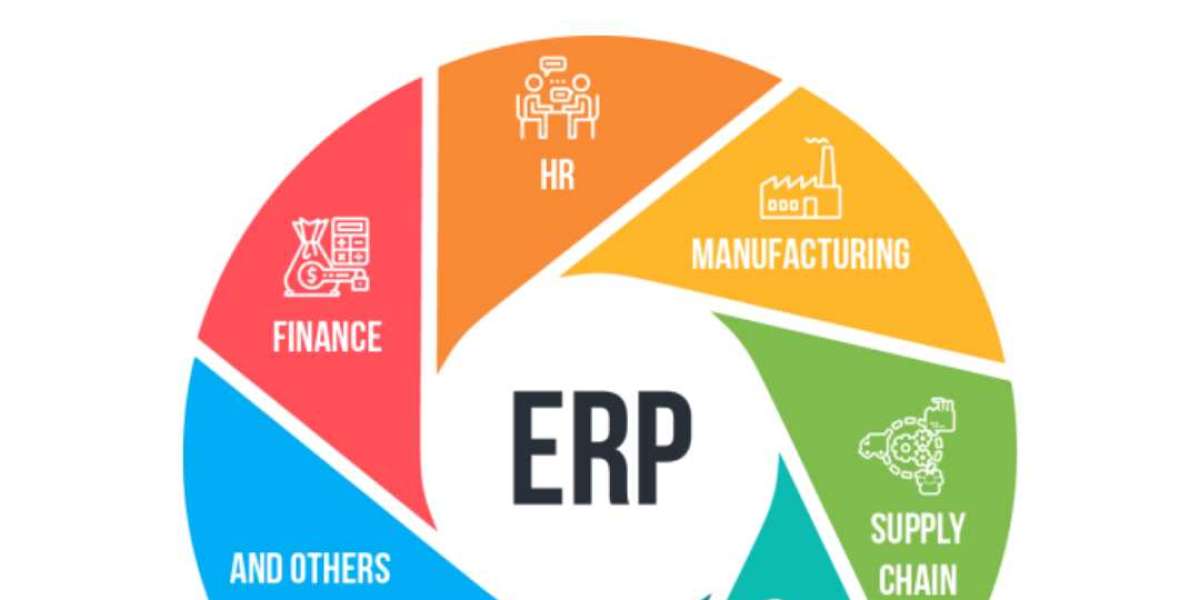
Salesforce Accounting ERP Integration bridges this gap by unifying customer, sales, and financial data into a single ecosystem. By seamlessly integrating ERP systems with Salesforce, businesses can unlock real-time financial visibility, streamline accounting workflows, and achieve scalable financial management.
This article explores how ERP-Salesforce integration transforms accounting and finance operations, the role of FinancialForce Accounting, and why ERP financial management in Salesforce is becoming the gold standard for modern enterprises.
The Growing Need for ERP and Salesforce Integration
Salesforce is widely recognized as the world’s leading CRM platform, powering sales, service, and customer engagement for organizations of all sizes. However, Salesforce alone does not handle complex accounting functions such as general ledger management, accounts payable/receivable, revenue recognition, or compliance reporting.
On the other hand, ERP systems specialize in financial and operational management but often lack real-time customer insights. When these systems operate independently, businesses face:
Duplicate data entry across platforms
Delayed invoicing and revenue recognition
Errors in financial reporting
Limited visibility into customer profitability
Slower financial close cycles
ERP Financial Management in Salesforce solves these challenges by aligning front-office and back-office operations on a single platform.
What Is Salesforce Accounting ERP Integration?
Salesforce Accounting ERP Integration refers to the seamless connection between Salesforce and an ERP or accounting solution to synchronize financial, operational, and customer data.
This integration enables Salesforce to become more than a CRM—it evolves into a unified business management platform where sales, finance, and operations collaborate in real time.
Key Capabilities of ERP-Salesforce Integration
Automated data synchronization between CRM and ERP
Real-time access to invoices, payments, and financial status
Unified customer and financial records
Streamlined order-to-cash and procure-to-pay processes
Accurate forecasting and financial reporting
By eliminating data silos, businesses can ensure consistency, accuracy, and efficiency across departments.
FinancialForce Accounting Integration: A Native Salesforce Solution
When discussing accounting within Salesforce, FinancialForce Accounting Integration stands out as a powerful and native solution. Built directly on the Salesforce platform, FinancialForce Accounting provides a comprehensive ERP financial management system without the complexity of external integrations.
Why FinancialForce Accounting?
FinancialForce is designed specifically for Salesforce users who want end-to-end financial management within the same environment. Unlike traditional ERPs that require complex middleware, FinancialForce operates natively on Salesforce, ensuring seamless data flow and user experience.
Key features include:
General Ledger (GL)
Accounts Receivable and Payable
Billing and Revenue Recognition
Cash Management
Multi-currency and multi-entity support
Compliance and audit readiness
With FinancialForce Accounting Integration, finance teams gain immediate access to sales and customer data, while sales teams gain visibility into billing and payment status.
Benefits of ERP Financial Management in Salesforce
1. Real-Time Financial Visibility
One of the biggest advantages of ERP financial management in Salesforce is real-time access to financial data. Sales, finance, and leadership teams can view:
Outstanding invoices
Payment status
Revenue forecasts
Customer lifetime value
Profitability by account or product
This visibility enables faster, data-driven decision-making across the organization.
2. Streamlined Order-to-Cash Process
ERP-Salesforce integration automates the entire order-to-cash cycle:
Opportunity closed in Salesforce
Sales order created automatically
Invoice generated in the ERP
Payment tracked and reconciled
Financial data updated in real time
This automation reduces manual intervention, accelerates cash flow, and minimizes billing errors.
3. Improved Accounting Accuracy and Compliance
Manual data transfers often result in errors that impact financial reporting and compliance. With Salesforce Accounting ERP Integration, data flows automatically between systems, ensuring:
Accurate financial records
Consistent audit trails
Compliance with accounting standards
Reduced risk of human error
Finance teams can close books faster and with greater confidence.
4. Enhanced Customer Experience
When financial and customer data are unified, customer-facing teams can provide better service. Sales and support teams can instantly access:
Billing history
Outstanding balances
Contract details
Payment terms
This transparency leads to faster issue resolution and stronger customer relationships.
5. Scalability for Growing Businesses
As organizations grow, financial complexity increases. Multi-entity operations, global currencies, and regulatory requirements demand a scalable solution.
ERP Financial Management in Salesforce supports growth by providing:
Flexible financial structures
Multi-currency and tax management
Configurable reporting
Enterprise-grade performance
This scalability ensures your systems grow alongside your business.
Use Cases for Salesforce Accounting ERP Integration
Professional Services Organizations
Service-based businesses benefit from integrated project accounting, billing, and revenue recognition. FinancialForce Accounting enables seamless tracking of billable time, expenses, and project profitability within Salesforce.
SaaS Companies
Subscription-based businesses require complex revenue recognition and recurring billing. ERP-Salesforce integration supports automated invoicing, renewals, and compliance with revenue recognition standards.
Manufacturing and Distribution
Manufacturers gain real-time visibility into orders, inventory, and financial performance. Integration ensures alignment between sales forecasts and financial planning.
Nonprofits and Education
Unified financial and donor or student data enables better fund tracking, reporting, and compliance.
Best Practices for Successful ERP-Salesforce Integration
To maximize the value of Salesforce Accounting ERP Integration, organizations should follow these best practices:
1. Define Clear Business Objectives
Identify what you want to achieve—faster closes, better reporting, improved cash flow, or scalability.
2. Choose the Right ERP Solution
Native solutions like FinancialForce reduce complexity, while third-party ERPs may require middleware.
3. Ensure Data Quality and Governance
Clean, standardized data ensures accurate reporting and smooth integration.
4. Work with Integration Experts
Expert ERP-Salesforce integration partners help design, implement, and optimize your solution for long-term success.
5. Plan for Change Management
Train users and align teams to ensure adoption across departments.
The Future of Financial Management on Salesforce
The future of finance is cloud-based, automated, and customer-centric. As businesses demand greater agility, ERP financial management in Salesforce will continue to evolve with:
AI-driven financial insights
Predictive analytics
Advanced automation
Deeper CRM-ERP convergence
Organizations that invest in seamless ERP-Salesforce integration today will be better positioned to adapt, scale, and compete tomorrow.
Conclusion
Seamlessly integrating ERP with Salesforce is no longer a luxury—it’s a strategic necessity for efficient accounting and financial management. Whether through native solutions like FinancialForce Accounting Integration or expertly implemented third-party ERP connections, Salesforce Accounting ERP Integration transforms how businesses manage finances.
By unifying customer, sales, and financial data, organizations gain real-time visibility, operational efficiency, and the agility needed to thrive in a competitive landscape. With the right strategy and expert integration, Salesforce becomes the central hub for ERP financial management—driving smarter decisions and sustainable growth.





