
Fire safety is a fundamental requirement for protecting lives, assets, and business operations. In residential complexes, commercial buildings, and industrial facilities, fire risks can arise unexpectedly due to electrical faults, equipment failure, or human error. One of the most effective solutions for managing such emergencies is a fire hydrant system.
A fire hydrant system provides a reliable, high-pressure water supply to control and extinguish fires, especially large or fast-spreading ones. This blog explores the benefits and advantages of installing a fire hydrant system and explains why it is a critical investment for comprehensive property safety.
What Is a Fire Hydrant System?
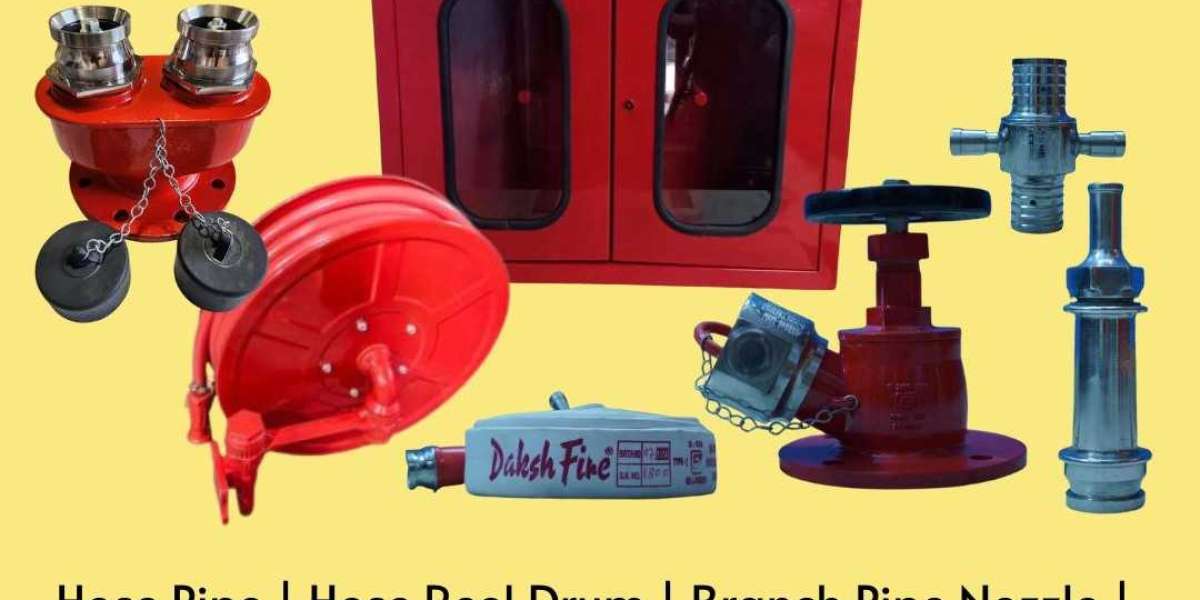
A fire hydrant system is a fixed firefighting installation consisting of pumps, water storage tanks, pipelines, landing valves, hoses, and hydrant outlets. It is designed to deliver large volumes of water at sufficient pressure for firefighting operations.
Unlike automatic systems, fire hydrant systems are manually operated by trained personnel or the fire brigade, making them especially effective for handling major fire incidents.
1. Enhanced Firefighting Capability
One of the key advantages of a fire hydrant system is its ability to deliver high-pressure and high-volume water flow. This allows firefighters to combat fires more effectively, even in large buildings or open industrial areas.
Why It Matters
- Controls fire spread quickly
- Supports multiple hose operations simultaneously
- Enables precise direction of water at the fire source
This enhanced capability is crucial for protecting large properties and high-risk environments.
2. Improved Life Safety
The primary objective of any fire safety system is to protect human life. Fire hydrant systems help achieve this by controlling fires early and providing sufficient water for evacuation support.
Safety Benefits
- Reduces heat and smoke levels
- Creates safer evacuation paths
- Supports rescue operations by fire personnel
By minimizing fire intensity, hydrant systems significantly lower the risk of injuries and fatalities.
3. Protection of Property and Assets
Fires can cause extensive damage to buildings, machinery, inventory, and infrastructure. Installing a fire hydrant system helps limit damage by enabling rapid fire control.
Key Advantage
- Prevents fire from spreading to adjacent areas
- Reduces structural damage
- Minimizes financial losses and downtime
For commercial and industrial properties, this protection is vital for business continuity.
4. Compliance with Fire Safety Regulations
Fire hydrant systems are often mandatory under local fire safety laws and building codes. Installing a compliant system helps property owners meet legal requirements and avoid penalties.
Regulatory Benefits
- Meets National Building Code (NBC) guidelines
- Helps obtain fire safety approvals and NOCs
- Ensures readiness for fire department inspections
Compliance not only enhances safety but also builds trust with authorities and occupants.
5. Support for Fire Brigade Operations
Fire hydrant systems are designed to integrate seamlessly with fire brigade equipment. External hydrants and landing valves allow fire engines to connect directly to the building’s water supply.
Operational Advantage
- Faster firefighting response
- Continuous water availability
- Improved coordination during emergencies
This feature is particularly valuable in large complexes where external water sources may be limited.
6. Versatility Across Property Types
Another major benefit of fire hydrant systems is their adaptability. They can be customized for various property types and risk levels.
Suitable For
- Commercial buildings and office complexes
- Industrial plants and factories
- Warehouses and logistics hubs
- Residential societies and townships
This versatility makes hydrant systems a core component of modern fire protection systems.
7. Long-Term Reliability and Durability
Fire hydrant systems are built using robust materials such as heavy-duty pipelines, durable valves, and high-capacity pumps. With proper maintenance, they remain reliable for decades.
Long-Term Advantage
- Designed for continuous operation during emergencies
- Resistant to pressure and environmental conditions
- Cost-effective over the system’s lifespan
This durability ensures dependable performance when it matters most.
8. Integration with Other Fire Safety Systems
Fire hydrant systems work effectively alongside other fire safety solutions, including fire alarm system, sprinklers, and smoke detectors.
Combined Benefits
- Faster detection and response
- Improved overall fire control
- Layered fire safety protection
An integrated fire protection strategy maximizes safety and efficiency.
9. Increased Insurance and Property Value Benefits
Installing a fire hydrant system can positively impact insurance coverage and property value.
Financial Advantages
- May reduce insurance premiums
- Enhances property safety rating
- Increases buyer and tenant confidence
For property owners and developers, this adds long-term value to the investment.
10. Essential for Emergency Preparedness
A fire hydrant system ensures that properties are emergency-ready at all times. Regular inspection and maintenance keep the system operational and compliant.
Preparedness Advantage
- Quick system activation
- Reliable performance during emergencies
- Peace of mind for owners and occupants
Prepared properties are safer properties.
Conclusion
The benefits and advantages of installing a fire hydrant system go far beyond regulatory compliance. From enhanced firefighting capability and improved life safety to asset protection and long-term reliability, these systems play a vital role in safeguarding properties against fire risks.
For residential, commercial, and industrial properties alike, a professionally designed and well-maintained fire hydrant system is not just a safety feature—it is a critical investment in protection, preparedness, and peace of mind.