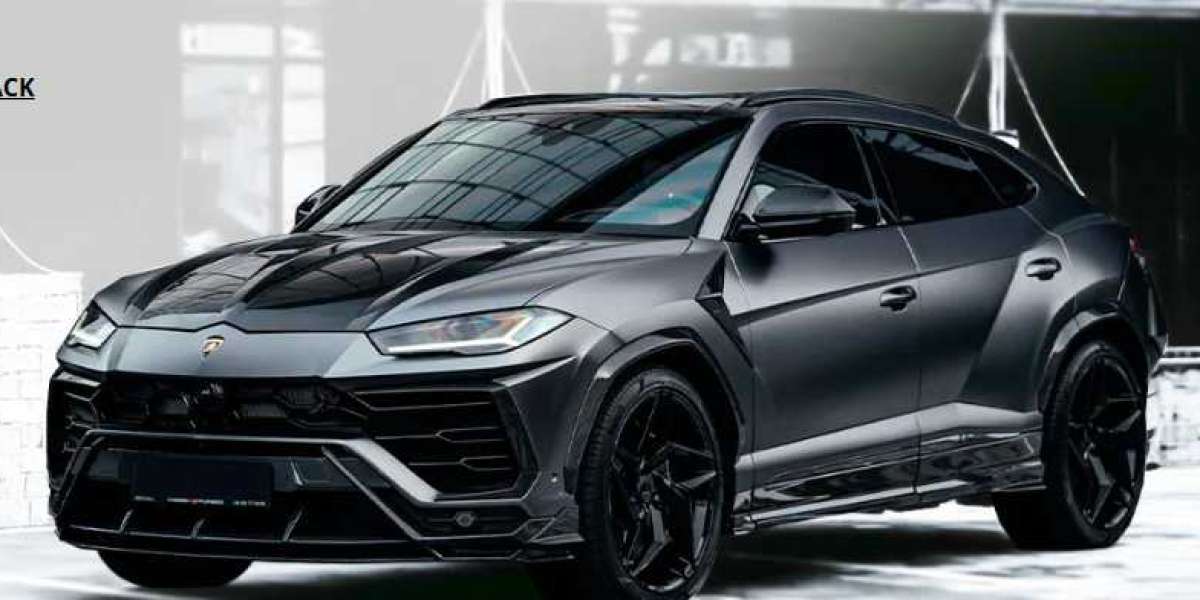

Black wrapping for a car involves applying a high-quality vinyl film over the vehicle’s original paint. Professional installers stretch and bond the vinyl using heat and pressure, allowing it to conform smoothly to curves, edges, and body lines. Unlike paint, vinyl wrap does not permanently alter the surface. It acts as a removable layer that protects the factory finish underneath.
Automotive vinyl wraps use advanced adhesive technology that sticks firmly while remaining removable without damaging the paint. Reputable brands such as 3M, Avery Dennison, and KPMF engineer these films to resist UV rays, minor abrasions, and environmental wear. Black wraps remain popular because they deliver a dramatic visual transformation without the long-term commitment of repainting.
Car owners often choose black wrapping to refresh an aging exterior, protect new paint, or experiment with a premium look that might feel risky with permanent paint.
Why Black Car Wraps Are So Popular
Visual Appeal and Customization
Black carries a timeless appeal in automotive design. It enhances body lines, adds depth, and gives vehicles a premium presence. A black wrap allows drivers to choose between multiple finishes, ranging from deep gloss to stealthy matte, without committing to one permanent style.
Luxury sedans, sports cars, and SUVs often benefit from black wraps because the color complements chrome accents, tinted windows, and aggressive styling. Car enthusiasts appreciate how vinyl wrapping allows experimentation while preserving originality.
Protection Beyond Looks
Black wrapping also functions as a protective barrier. Vinyl shields the paint from sun exposure, light scratches, road debris, and minor abrasions. This protective layer helps maintain the car’s resale value by keeping the factory paint in better condition over time.
Fleet owners and professionals also use black wraps for branding or uniform aesthetics while ensuring vehicles stay protected during daily use.
Types of Black Car Wrap Finishes Explained
Matte Black Wrap
Matte black offers a non-reflective, stealth-inspired appearance. It works well on modern and performance-oriented vehicles, giving them a bold, understated look. Matte finishes require careful maintenance because fingerprints, water spots, and oils can show more easily compared to glossy surfaces.
Gloss Black Wrap
Gloss black mimics the appearance of freshly polished paint. It reflects light smoothly and delivers a deep, mirror-like shine. Many car owners choose gloss black wrapping because it closely resembles factory paint while offering the flexibility of vinyl.
Gloss black also pairs well with ceramic coating, which enhances shine and simplifies cleaning.
Satin and Textured Black Wraps
Satin black sits between matte and gloss, offering a subtle sheen that looks refined without high reflectivity. Textured options such as carbon fiber black or brushed black add visual depth and a performance-inspired feel. These finishes appeal to drivers who want something unique without going overly flashy.
Benefits of Black Wrapping for Cars
Black car wrapping delivers both functional and aesthetic advantages:
Preserves original paint by acting as a sacrificial layer
Costs less than a high-quality repaint
Allows color changes without permanent alteration
Enhances resale value by protecting factory finish
Offers easy removal or replacement
Provides UV resistance and minor scratch protection
Drivers often choose wrapping when they want flexibility. If trends change or the wrap shows wear, installers can remove or replace it without repainting the entire vehicle.
Black Car Wrap vs Paint: A Practical Comparison
Vinyl wrapping and painting serve similar aesthetic goals but differ significantly in execution. Paint delivers permanence and can last decades when maintained properly. Wrapping prioritizes flexibility, faster installation, and reversibility.
A quality black paint job typically requires sanding, priming, painting, and curing, which increases cost and downtime. Wrapping usually completes within a few days and does not require permanent modification.
For leased vehicles or cars with strong resale value, black wrapping offers a practical solution that protects the original finish while still delivering a dramatic transformation.
Cost of Black Wrapping a Car
The cost of black wrapping depends on vehicle size, wrap quality, and installation expertise. A full black wrap generally costs less than a professional repaint but varies based on finish type and brand.
Smaller cars cost less due to reduced material and labor, while SUVs and luxury vehicles require more vinyl and time. Premium films from trusted manufacturers cost more upfront but last longer and perform better under heat and UV exposure.
Partial wraps, such as roofs or hoods, offer budget-friendly options for drivers who want subtle styling upgrades.
Installation, Maintenance, and Longevity
Professional installation plays a critical role in wrap durability. Skilled installers ensure proper surface preparation, precise alignment, and clean edge finishing. Poor installation can lead to bubbling, peeling, or premature wear.
Maintenance involves gentle hand washing, avoiding harsh chemicals, and keeping the wrap clean. Automatic car washes with stiff brushes can damage vinyl. With proper care, black car wraps typically last five to seven years depending on climate and usage.
Parking indoors and applying wrap-safe sealants can further extend lifespan.
Choosing the Right Black Wrap Brand and Installer
Selecting the right vinyl brand ensures color consistency, adhesive reliability, and long-term durability. Well-known manufacturers such as 3M and Avery Dennison invest heavily in testing and quality control.
An experienced installer matters just as much as the material. Certified wrap professionals understand how to handle complex curves and ensure clean finishes. Reviewing portfolios, certifications, and customer feedback helps identify trustworthy installers.
A consultation allows car owners to discuss finish options, costs, and realistic expectations before committing.
Frequently Asked Questions
How long does a black car wrap last?
Most high-quality black vinyl wraps last between five and seven years with proper care and professional installation.
Will black wrapping damage my car’s paint?
Vinyl wrap protects factory paint when applied and removed correctly. Damage usually occurs only if the paint was already compromised.
Can I wrap only part of my car in black?
Partial wraps, such as roofs, mirrors, or hoods, work well and cost less while still delivering visual impact.
Is black wrap hard to maintain?
Black wraps require regular cleaning, especially matte finishes, but maintenance remains manageable with proper products.
Does black wrapping affect resale value?
Wrapping often helps resale value by preserving the original paint underneath.
Can black wrap be removed easily?
Professional installers can remove vinyl wrap safely without leaving residue or damaging paint.