
Pharmaceutical Market Research Meets Connected Health Solutions in 2026
The pharmaceutical industry continues to evolve at the intersection of traditional research methods and advanced digital technologies. Pharmaceutical market research has historically provided critical insights into market trends, competitor strategies, patient behaviors, and regulatory environments. When combined with connected health solution platforms, this research transforms from periodic reports into continuous, actionable intelligence systems that support quicker decisions and more patient-focused results.
Evolution of Pharmaceutical Market Research
In the past, pharmaceutical market research depended heavily on surveys, focus groups, prescription audits, and syndicated data from providers such as IQVIA or Kantar. While valuable, these approaches often captured only static moments in fast-moving markets. By 2026, the discipline has advanced significantly through predictive modeling, artificial intelligence analysis of online discussions and patient forums, and incorporation of electronic health records. Teams now forecast therapy adoption well ahead of launch by blending real-world evidence with classic primary research techniques.
Major influences include escalating healthcare expenses, demand for individualized treatments, and lessons learned from global health crises emphasizing supply chain strength. Companies allocate substantial resources to secondary data including insurance claims, disease registries, and metrics from wearable devices to sharpen market segmentation and targeting precision.
Growth of Connected Health Solutions
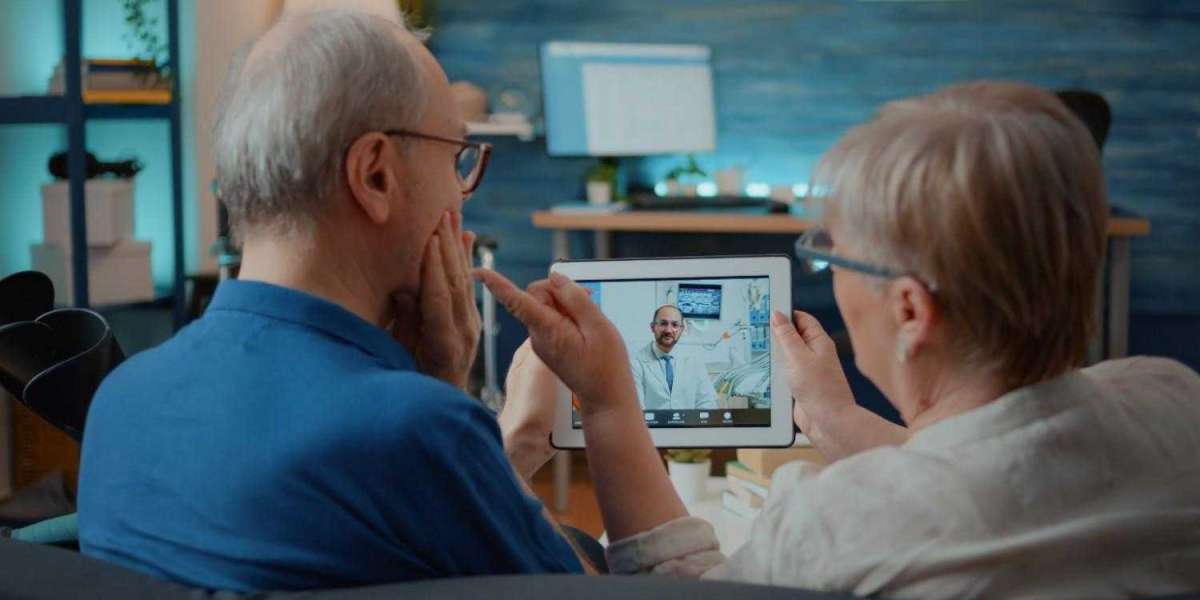
Connected health solution platforms include telehealth services, remote patient monitoring tools, smart wearables, mobile applications, and Internet of Things devices that gather ongoing health information. These technologies connect patients, healthcare providers, and pharmaceutical organizations more effectively. Examples range from continuous glucose monitors to connected inhalers that send usage and clinical data to secure cloud systems.
Adoption accelerated in recent years due to supportive regulations, such as updated FDA frameworks for digital health tools, and new payment models that reward remote monitoring. Leading companies and innovative startups focus on chronic condition management, creating ecosystems that generate rich datasets for precision healthcare and value-based reimbursement.
Powerful Integration of Both Approaches
The greatest impact occurs when pharmaceutical market research draws directly from connected health solution data streams. Organizations analyze de-identified, aggregated information to confirm clinical trial hypotheses, track post-approval safety signals, and uncover previously hidden patient needs. A company developing a new diabetes treatment, for instance, might examine remote monitoring patterns to understand actual blood sugar control in everyday settings, strengthening arguments for reimbursement and market entry.
This combination improves mapping of the full patient journey. Research groups follow interactions from initial diagnosis through long-term therapy management, identifying points of discontinuation and potential support opportunities. Hybrid datasets enable more reliable predictions of market performance compared to older standalone methods.
Key Challenges and Ethical Responsibilities
Significant hurdles remain. Strict privacy regulations such as GDPR and HIPAA require strong anonymization, consent management, and data protection measures. Device and platform interoperability issues can create fragmented information flows. Demographic biases in connected data collection may lead to incomplete or misleading market conclusions.
Responsible implementation calls for clear governance policies, third-party ethics oversight, and transparent artificial intelligence practices to preserve stakeholder confidence.
Real-World Applications
One prominent oncology company integrated wearable data from connected health solutions with traditional pharmaceutical market research during a targeted therapy rollout. The combined insights revealed unexpected levels of treatment-related fatigue, leading to updated prescribing information and expanded patient resources. Similarly, a cardiovascular therapy team used remote monitoring metrics to prove superior real-world adherence, supporting successful payer negotiations and broader access.
Looking Toward the Future
Advancements in artificial intelligence will soon automate much of the data integration process, delivering live dashboards for commercial, medical, and market access teams. Emerging technologies like blockchain could enhance secure data exchange, while next-generation networks improve connectivity in underserved regions. This convergence shortens innovation timelines, lowers development expenses, and aligns new therapies more closely with patients' daily realities.
Organizations that fully embrace this partnership position themselves to deliver meaningful improvements in health outcomes worldwide.