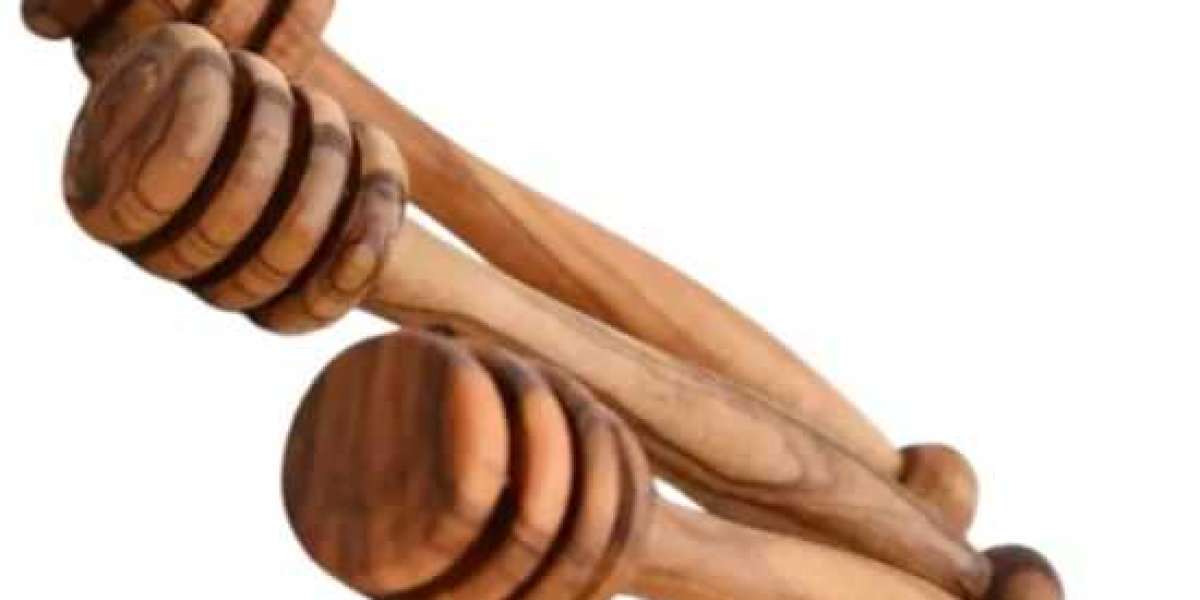

Using an Olive Wood Honey Dipper in Everyday Moments
Some kitchen tools don’t shout for attention. They just sit there, waiting for the moment you need them. That’s how I started noticing the olive wood honey dipper—not as a decorative item, but as something that subtly improves a small ritual many of us enjoy: adding honey to food or drinks.
Within the first few uses, it becomes clear why this simple tool has stuck around for generations. It slows you down just enough to appreciate the texture, weight, and rhythm of using honey the old-fashioned way.
Why Olive Wood Feels Different in the Hand
Olive wood has a character you can feel immediately. It’s dense but not heavy, smooth without being slippery. When shaped into a honey dipper, it balances well in the hand, making it easier to control how much honey you drizzle.
Unlike plastic or metal, olive wood warms slightly when you hold it. That small detail makes the experience feel more natural, especially when you’re stirring honey into tea or spreading it over warm bread.
Each piece of olive wood has its own grain pattern. No two dippers look exactly alike, which adds a quiet uniqueness without feeling decorative for the sake of it.
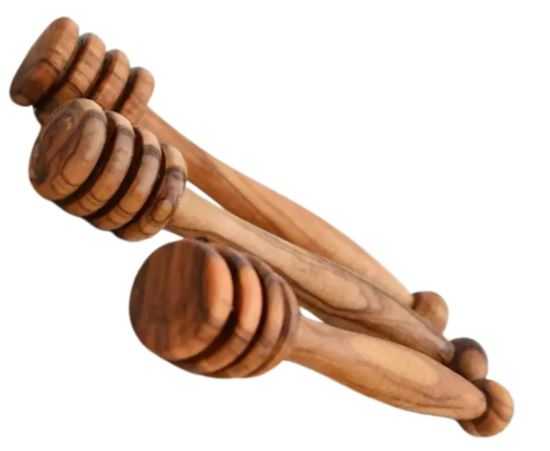
The Design That Makes Honey Easier to Handle
The grooved head of a honey dipper isn’t just for looks. Those ridges help collect and hold honey, allowing it to flow slowly instead of dripping everywhere.
Anyone who has tried pouring honey straight from a jar knows how messy it can get. A dipper reduces that mess by giving you more control. You can lift, pause, and drizzle exactly where you want.
In daily use, this design works well for:
Sweetening tea or coffee
Drizzling honey over yogurt or fruit
Adding honey to baking mixtures
Serving honey at the table without sticky spoons
It’s a small improvement, but one that quickly becomes part of your routine.
How Size Influences Everyday Use
A 4-inch honey dipper might sound small, but that length turns out to be quite practical. It’s long enough to reach into most jars without getting your fingers sticky, yet short enough to store easily in a drawer or utensil holder.
This size also makes it comfortable for serving. It doesn’t feel oversized or awkward when passing it around at breakfast or using it with smaller bowls and cups.
Because it’s compact, people tend to keep it nearby instead of forgetting it in the back of a drawer. That accessibility means it actually gets used rather than replaced by a regular spoon.
Care, Longevity, and Small Habits
One thing people often wonder about is maintenance. Olive wood doesn’t need much, but it does appreciate a bit of care.
Washing it gently by hand and letting it dry fully keeps the wood in good condition. Every now and then, a light rub with food-safe oil helps maintain its smooth surface.
Over time, olive wood develops a deeper tone, which many people find appealing. Instead of wearing out, it seems to age gracefully.
Brands like Ecoproduct.pk tend to focus on this natural longevity rather than adding coatings or finishes that wear off quickly. That approach aligns well with how people actually use wooden kitchen tools.
A Tool That Encourages Slower Living
There’s something about using a honey dipper that encourages you to slow down. You don’t rush honey the way you squeeze sugar from a packet. You dip, lift, wait, and drizzle.
That pause can feel grounding, especially in busy mornings. It turns a routine task into a small, mindful moment.
This is why many people gravitate toward wooden honey dippers instead of modern alternatives. They’re not about efficiency alone; they’re about experience.
FAQs
Does olive wood affect the taste of honey?
No, olive wood is neutral when properly finished. It doesn’t absorb flavors or alter the taste of honey, making it safe and pleasant for everyday food use.
Can a honey dipper be used for other syrups?
Yes, it works well with maple syrup or similar liquids, though thicker honey tends to cling better to the grooves and offers the best control.