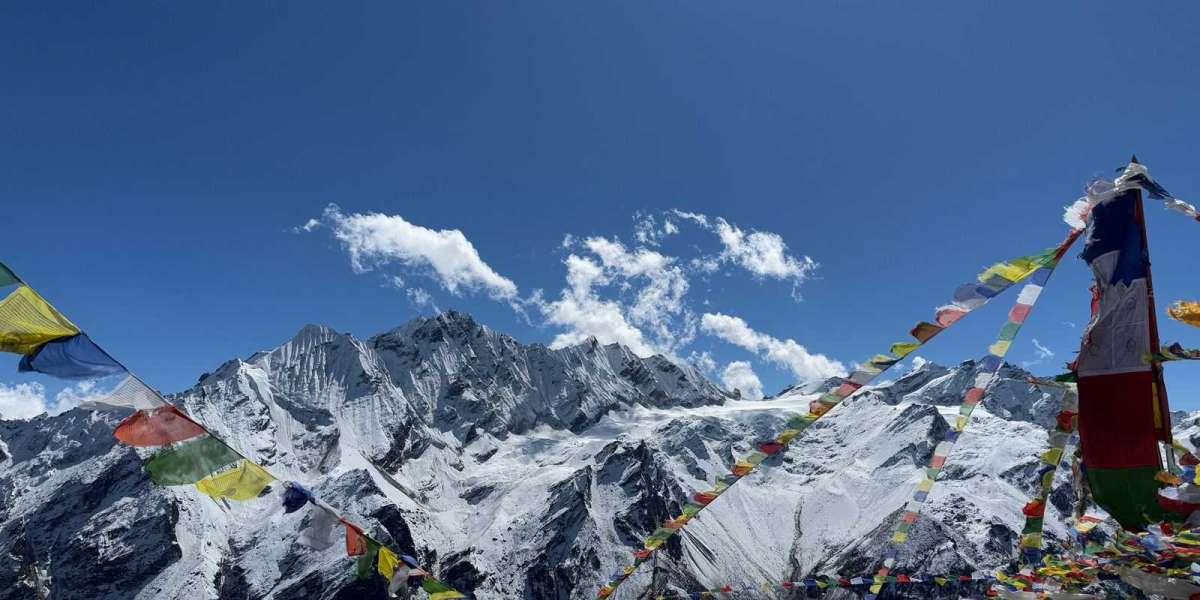

Not only is Langtang Valley Trek famous for its beautiful Himalayan vistas, friendly mountain people, and great walking trails just north of Kathmandu, but another one of highlights you get to see is plentiful and diverse wildlife lingering in the forests, meadows, and in wide-open high alpine across your trail. And walking through the Langtang national park is not just a saunter around landscapes underfoot where rare mammals, tropical birds, and baby mountain flowers are alive. For people who seek intimate experiences with nature, the Langtang Valley trek offers a chance to spot wildlife in the wild that also feels very personal in Langtang.
Langtang National Park held a Corridor to Life.
The whole Langtang Valley Trek happens within Langtang National Park; in fact, it’s actually Nepal's first Himalayan national park, and it was predominantly established to protect its superb flora and fauna. The trek begins in the sub-tropical forests and then continues to higher elevations and on through the forest of oak, maple rhododendron until it reaches alpine meadows above tree line.
Unlike many other more popular trekking routes, peace is left on the Langtang Valley Trek, so animals may be heard scuttling along or around the trail. “Early mornings and late afternoons are excellent because there’s a lot of activity as they run to get food. This is the result of the protected Langtang National Park’s conservation status, which allows these trends to regulate themselves naturally, resulting in ‘real’ wildlife watching for visitors, not the ‘canned’ type.
Lower Forest Trails Fauna
During the early stages of the Langtang Valley Trek, thick forests at lower altitude makes home to most of the animal species that you see in this region. The best-known residents are troops of rhesus macaque, frisking around villages and the edges of the forest. The Gray langurs, long-tailed and leisurely in manner, are another one – they bound through the trees with ease, then when they see trekkers walk on down below them, stop and stare.
Himalayan black bears also inhabit the forests, though they are shy creatures and are not often seen. Claw marks on trees or scratched ground are a few signs that they may be close. A must-see animal for crazed wildlife hunters, red pandas reside in bamboo-dominated patches of Langtang National Park. Being able to spot one takes patience and luck, of course, yet knowing that they live in a forest you are walking through adds an extra layer of wonder to each step on the Langtang Valley Trek.
Mountain Mammals of the Upper Valley (advertisement)
Above the tree line, Langtang Valley Trek becomes a grazing country of yak, and as we make our way through yak pasture land and flow tamangi (swing fields ), before we are at the glacier moraine to Kyangjin. Wildlife is sparse, but the sightings get flashier. With shaggy fur and fast-transferring toes, Himalayan tahrs are properly adapted to lifestyles in highland settings and are frequently seen grazing on rocky inclines. The elusive musk deer inhabits the higher woodland and alpine shrub, hardly ever visible, however, still a chief part of Langtang's wildlife.
The snow leopard is one of the best-known inhabitants of Langtang National Park! While direct sightings are rare, it is the knowledge that this predator exists in the wilds of the high upper catchment basin that imparts an air of myth to your hike. The presence of such species displays an ecology that is in an accurate shape and suggests the conservation fee of the Lantang Valley Trek trail. Although they aren’t noticed, trekkers often document that they feel as though they are around these shy creatures due to tracks, scat, or tales from nearby courses.
Seasonal Changes and Wildlife Activity
Wildlife sighting in Langtang is also a matter of vast difference that adds to the allureof the Langtang Valley Trek. Flowering rhododendrons cover the forest in spring, and animals abound due to an abundance of food.
Animals are preparing for the impending winter and heading out more often to feed. In winter, the high-altitude wilderness is silent except for snow that forces wildlife to lower areas, while in summer -- monsoon -- there is more green and bugs available to feed the food chain across Langtang National Park. The Langtang Valley Trek is a circle of change; every season makes it into something else.
More Humans and Living With Nature
A characteristic of the Langtang Valley Trek is the wildlife that harmoniously coexists with human life and the environment. Tamang and Tibetan affected people have been residing using nature'bounty forrr centuries, carrying out agricultural work as well as animal husbandry in the sustainability model.
Trekkers normally get to know about wild animals through word of mouth from local people who have folk knowledge passed down through the generations. The cultural immersion is a bonus to the trek, as you find places where animals are and hear their stories that read nature, history, and local daily life sscenes f Langtang Valley Trek.
Ethical Wildlife Viewing on Trail
While watching wildlife in Langtan,g you’re also responsible for not disturbing the animals and maintaining thifragile ecosystemem. Silent travel along the trail will make more sightings possible without disturbing animals. By keeping a distance,e your wildlife is not disturbed, and the inhabitants of Langtang are left to develop in their own way.
Keep in mind that you will be reminded by both Langtang National Park’s officials and your guides about the moral part of the trek, as preservation is a must topreserve thee region's biodiversity. By choosing responsible tourism, the trekkers are protecting habitats and conservation efforts for both wildlife and local communities. This is a way for others to get the chance to experience the bustling wildlife sightings of the Langtang Valley trek.
Conclusion: A Pulsation in the Trek of Life of Nature
The Langtang Valley Trek is more than a scenic Himalayan hike; it’s a journey through one of Nepal’s breathtaking nature reserves. With wildlife encounters on the trail, it's a fascinatingly immersive experience, and any woodland game track, alpine meadow, ow or mountain pass may turn up that encounter.
Wildlife populates the landscape with a purpose, and continues to remind us that this is not only a work of millennia crafted by time and climate but careful conservation. It is these recipes that result in a profound reverence for the mountains and their life, which accounts for some of the most vivid experiences ever, and an adventure that echoes long after you have put your trekking shoes back into the box!