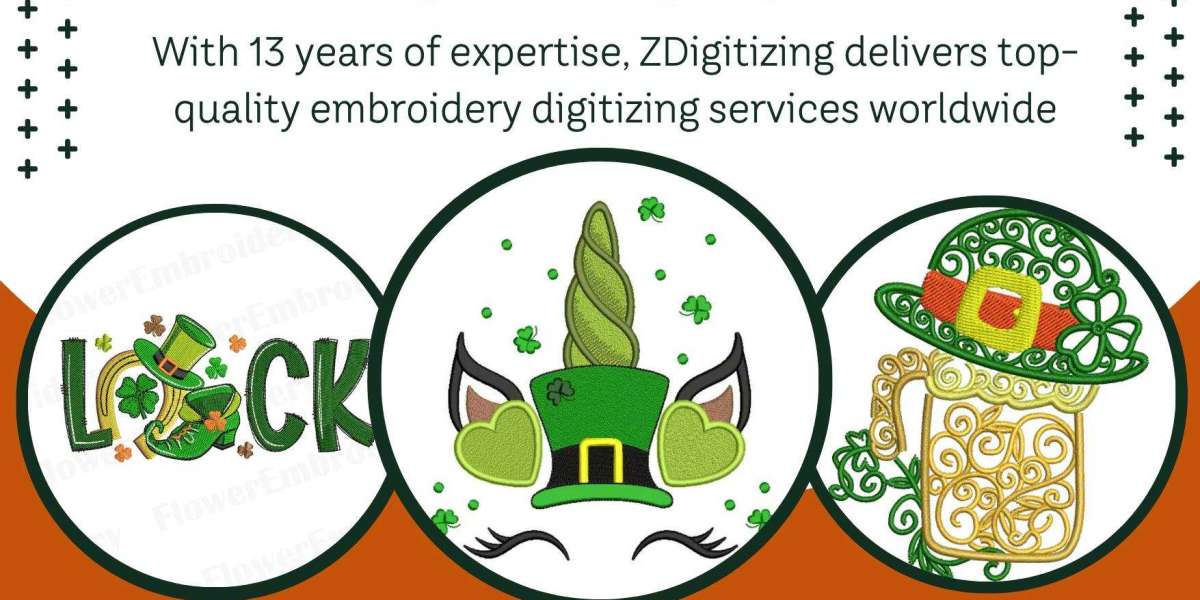

Embroidery is a popular method for adding unique designs to garments, accessories, and promotional items. From corporate logos to personalized gifts, embroidery enhances the appeal of fabric products. However, achieving precise and professional embroidery depends heavily on a process called embroidery digitizing. Understanding this process and using professional digitizing services is essential for high-quality results.
What is Embroidery Digitizing?
Embroidery digitizing is the process of converting artwork or images into a digital format that embroidery machines can read. Essentially, it transforms a design into stitch instructions, detailing how threads will move, the sequence of stitching, and how they interact. Without proper digitizing, even a well-designed logo or image can result in uneven stitching, thread breaks, or distorted patterns.
Why Professional Digitizing is Important
Not all digitized designs produce consistent results. Amateur digitizing may overlook factors such as fabric type, stitch density, and thread characteristics. Professional embroidery digitizing services ensure:
- Accuracy in Design: Maintains the proportions, curves, and details of the original artwork.
- Optimized Stitch Paths: Reduces thread breaks and production time.
- Fabric Adaptation: Adjusts the design to prevent fabric puckering or stretching.
- Longevity: Ensures that embroidered designs hold up well to repeated washing and use.
Advantages of Using Professional Digitizing Services
Outsourcing embroidery digitizing provides several benefits for businesses, designers, and hobbyists:
- Saves Time: Experts manage the technical aspects, letting you focus on creative or operational tasks.
- Reduces Errors: Minimizes material waste and machine downtime.
- Ensures Consistency: Maintains quality across multiple items or batches.
- Supports Multiple Formats: Compatible with various embroidery machines and file types.
Features to Look for in a Digitizing Service
When selecting a professional embroidery digitizing provider, consider these key aspects:
- Custom Design Conversion: Ability to digitize logos, artwork, and hand-drawn designs.
- Machine Compatibility: Provides formats for different machines (e.g., DST, PES, EXP, JEF).
- Stitch Simulation: Offers previews of the final embroidered design before production.
- Thread Color Matching: Ensures the design matches the intended color palette.
- Design Optimization: Adjusts stitch density, underlay, and size for different fabrics.
Common Applications of Embroidery Digitizing
Embroidery digitizing services are widely used in multiple contexts:
- Corporate Branding: Uniforms, hats, and promotional merchandise.
- Apparel and Fashion: Decorative stitching on clothing, accessories, and footwear.
- Personalized Items: Monograms and custom designs on towels, bags, and home items.
- Sportswear: Team logos, player names, and numbers on jerseys.
- Event Merchandise: Commemorative patches and embroidered souvenirs.
Tips for Selecting a Digitizing Service
To get the most out of professional embroidery digitizing, keep the following in mind:
- Check Expertise: Review the provider’s portfolio and experience.
- Assess Turnaround Time: Ensure they can meet deadlines without compromising quality.
- Look for Support: A responsive team can assist with revisions and queries.
- Compare Pricing: Consider cost in relation to quality and services offered.
- Read Reviews: Feedback from past clients can indicate reliability and professionalism.
Conclusion
Embroidery digitizing is a technical process that transforms designs into precise machine instructions. Choosing professional digitizing services helps ensure that designs are accurately reproduced, durable, and compatible with various fabrics. Whether for business branding, fashion design, or personalized gifts, high-quality digitizing minimizes errors, saves time, and guarantees a polished finish.
Partnering with a skilled digitizing service like ZDigitizing allows you to focus on creativity and production while ensuring consistent, professional embroidery results.
Frequently Asked Questions (FAQs)
What types of files are used in embroidery digitizing?
Embroidery digitizing requires machine-readable file formats such as DST, PES, EXP, and JEF. Different embroidery machines accept different formats, so professional services provide multiple options.
How long does the digitizing process take?
The time depends on the complexity of the design and the service provider. Simple logos can take a few hours, while detailed artwork may require one or two days.
Can all designs be digitized for embroidery?
Most designs can be digitized, but very small or highly detailed images may need adjustments to maintain stitch quality. Professional digitizers optimize designs to ensure they work well on fabric.
Does digitizing affect the durability of embroidery?
Yes. Proper digitizing determines stitch density, underlay, and thread path, which directly affects the embroidery’s strength and how well it withstands washing and wear.